







 Biologie
4668260 / 5559751
Fette und Öle
Nutzen und Risiken
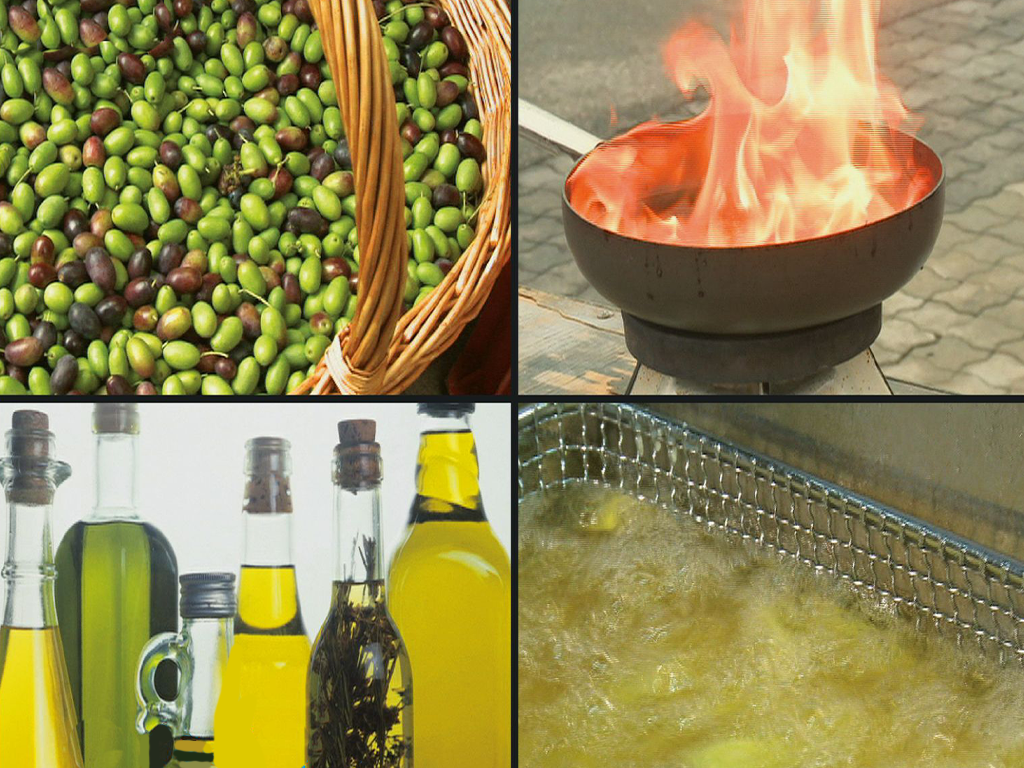
Das Verhältnis zu Fett ist zwiespältig. Die einen streichen es aus ihrer Ernährung, die anderen geben horrende Summen für kaltgepresstes Olivenöl und seltenes Arganöl aus, um gesunde Fette zu sich zu nehmen. Dabei braucht der menschliche Organismus Fett um richtig funktionieren zu können. "Schau dich schlau!" nimmt Öle und Fette wie Oliven- und Sonnenblumenöl, Butter und Margarine unter die Lupe und zeigt, warum unser Körper darauf angewiesen ist um seine volle Leistung bringen zu können. Joey Grit Winkler und Fero Andersen wühlen sich durch den Ernährungsdschungel und entlarven typische Fettfallen. Von welchen Produkten sollte man die Finger lassen, weil sie viel fetter sind als wir annehmen? Je besser ein Gericht schmeckt, desto mehr Fett beinhaltet es in der Regel. Denn Fett ist ein Geschmacksverstärker. So zum Beispiel in Käse und Wurstsorten, aber auch in Gerichten wie Pommes oder Fischstäbchen, die frittiert werden. Um nicht auf diese Leckereien verzichten zu müssen, zeigt Fero Andersen wie man richtig frittiert und dabei nicht mehr Öl als nötig verwendet. Wer mit Fett brät, läuft bei falschem Umgang schnell Gefahr, eine Explosion oder einen Brand zu entfachen. Deshalb zeigt "Schau dich schlau!", wie sich dieses unnötige Risiko vermeiden lässt und wie – sollte der Fall doch eintreten – ein Fettbrand gelöscht werden kann.
Trailer abspielen
Lehrplanzentral und an den Bildungsstandards orientiert
Passend dazu
Peer Mediation
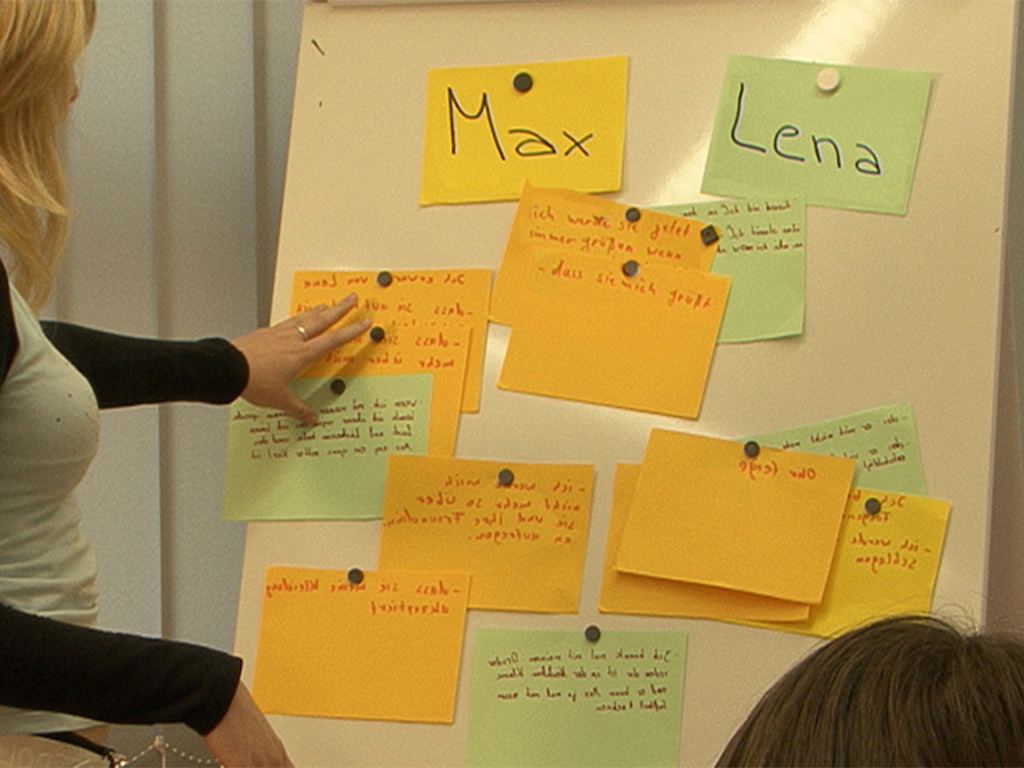
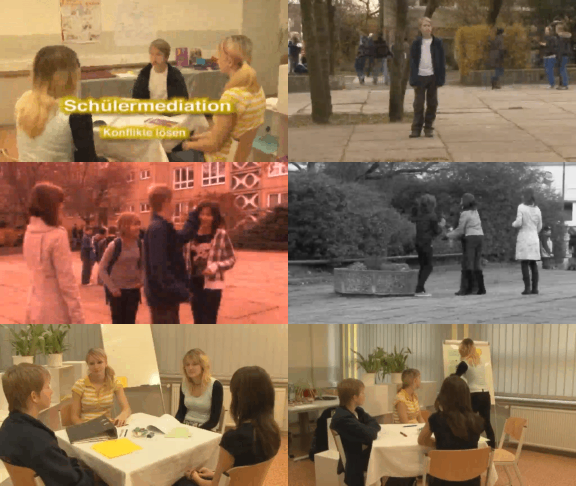
Lena and Max attend the 7th form. Max is new in class. During a break, Max notices that Lena and her friend are laughing at him again. Max loses his temper! He slaps Lena in the face. That hurts and Lena runs back into the classroom with a red cheek. The growing conflict between the two has escalated. Just like Lena and Max, every day pupils all over Germany have rows with each other. At the Heinrich Hertz Gymnasium in Thuringia, pupils have been trained as mediators for years. At set hours, they are in a room made available by the school specifically for mediation purposes. The film describes the growing conflict between Max and Lena and shows a mediation using their example. In doing so, the terms “conflict” and “peer mediation” are explained in a non-technical way. The aims of peer mediation and its progress in five steps as well as the mediators’ tasks are illustrated. The art of asking questions and “mirroring”, which the mediators must know, is described and explained. Together with the comprehensive accompanying material, the DVD is a suitable medium to introduce peer mediation at your school, too.

Copyright
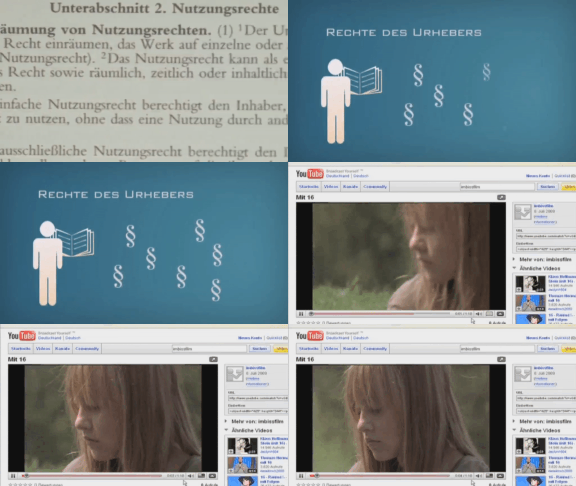
Copyright is subject to constant change to keep up with technological advances. This film enables the viewer to grasp the basic principles of this extremely intricate matter. By way of introduction, the film defines what an author is, what kinds of works there are and how long a work is protected on principle. Then the fundamental rights of an author are cited and it is shown how these are exploited in our times. In the third chapter, the respective rights are illustrated by way of practice-oriented examples of books, photos, music and films. Here, of course, an emphasis is laid on the field of education, taking into account the latest case law within the EU and Austria in particular. A further chapter highlights the problems arising with the Internet and goes into the citation law and pirate copies. All in all, in this way the viewer is made familiar with the most important basic terms and their meanings. Comprehensive worksheets and additional accompanying material invite us to deepen our knowledge of the subject.

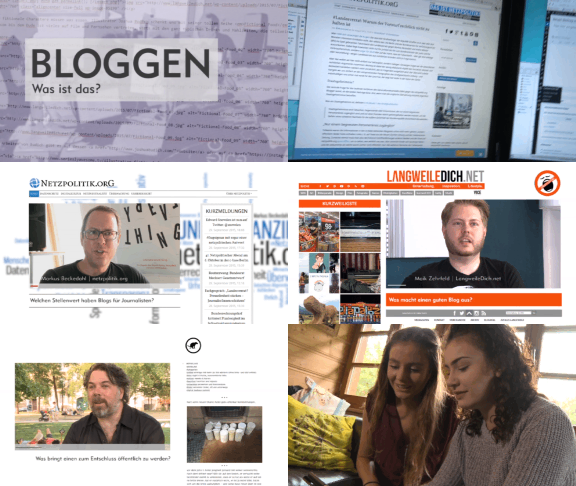
Blogging
The weblog or blog, for short, as a medium is not much older than this century. Blogs came into being in the World Wide Web as ’messages from below’, as web pages from web creators who wanted to share their view of the world with the world. They are short notes, long texts, pictures, videos, which are posted loosely and at random intervals to the world for an undefined public.
