







 Vocational Education

4656994 / 5551027
Textile Production Mechanic
Job Prospects Today
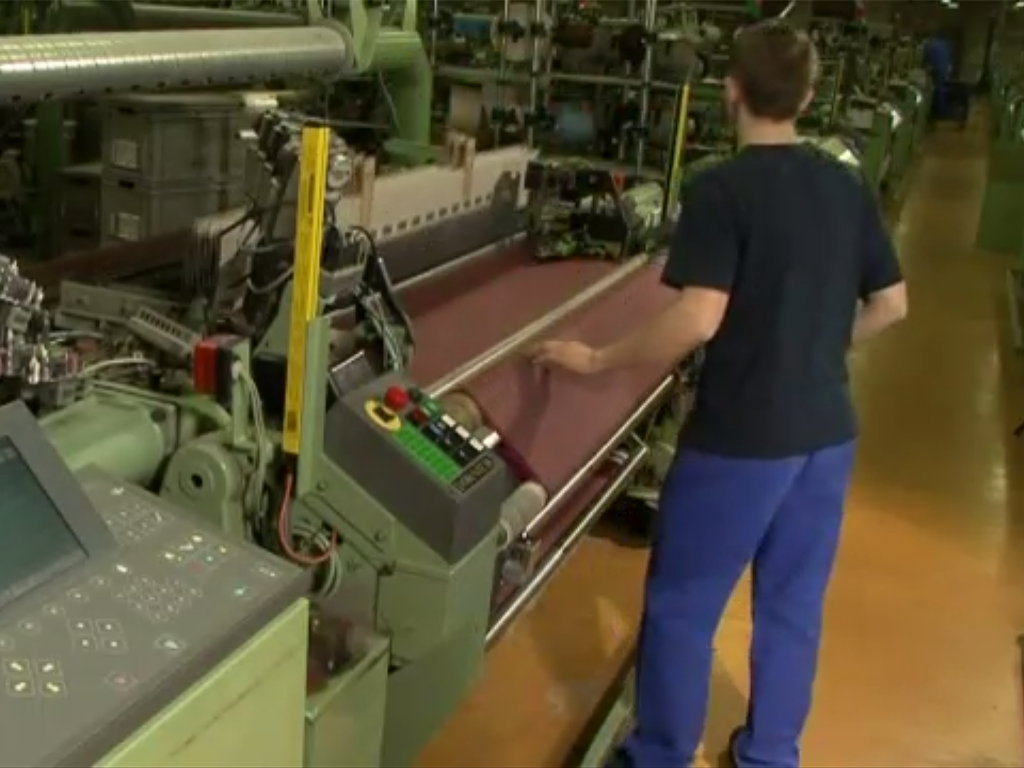
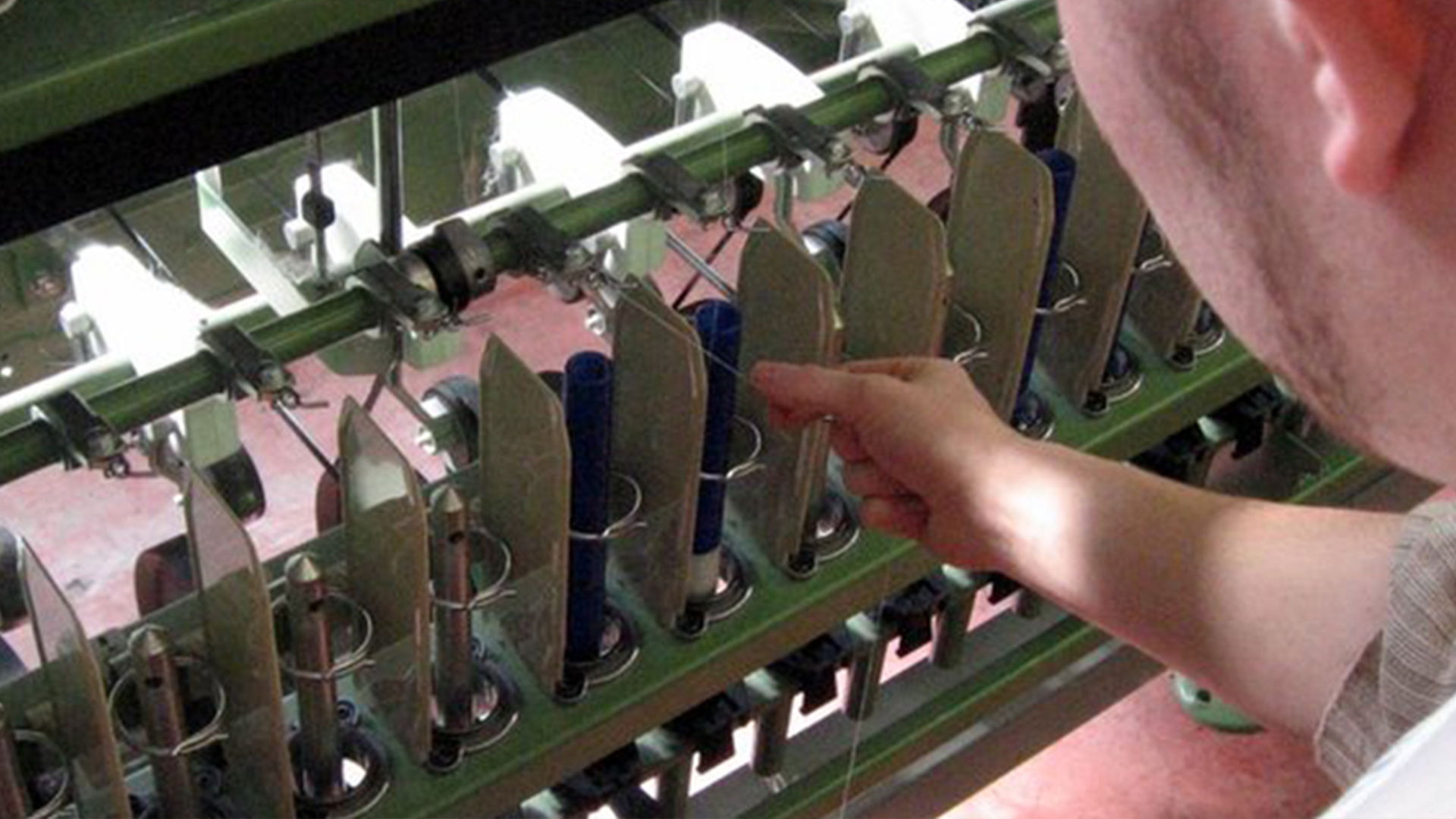
Setting, operating, monitoring, maintaining, servicing and repairing production machines – all these are tasks of a textile production mechanic. Only if the production equipment functions flawlessly and the work processes run smoothly and efficiently, textiles of all kinds and of the highest quality can be produced. Textile production mechanics undergo a broad vocational training. This enables them to work in all branches of the textile industry: in weaving mills, spinning mills, knitting mills, warp knitting mills or elsewhere in the textile industry. Qualifications required for this job are GCSEs or a university entrance qualification. Furthermore, soft skills such as a sense of responsibility, diligence, accuracy and reliability are expedient. The job of a textile production mechanic is a positive challenge for all those interested in engineering and manufacturing as well as in textile fabrics and patterns.
Play trailer
- <> Languages: DE, EN, TR
- <> Target Groups: Sek II
- <> Subject: Vocational Education
- <> Length: 19:51 min
- View in learning platform
Licenses
Curriculum-centred and oriented towards educational standards
Matching

Computer Games
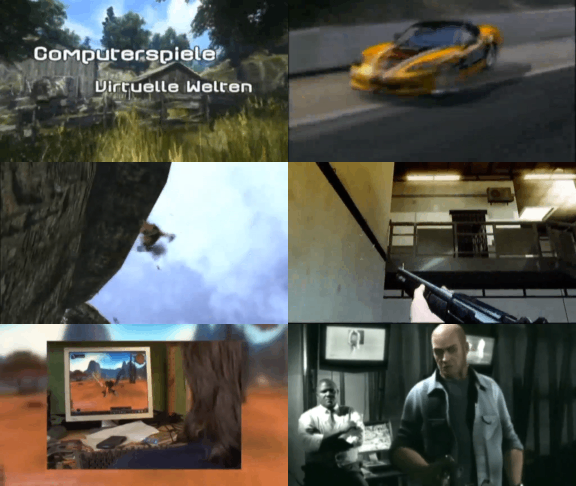
This film covers the topic of computer games in a variety of ways and from many different angles. Apart from the fascina- tion of computer games for users, the historical development as well as the production of computer games are described. The established genres are introduced, the guidelines of the German BPjM are explained. In light of recent public discussions, a neutral overview of the pros and cons of playing computer games is given, and different kinds of player behaviour are outlined. In this film, the pupils will recognise many aspects of their favourite pastime that encourage an independent, constructive use of this medium and reinforce their media competency. The film and teaching material are very closely related to the real-life situation.

Air Traffic
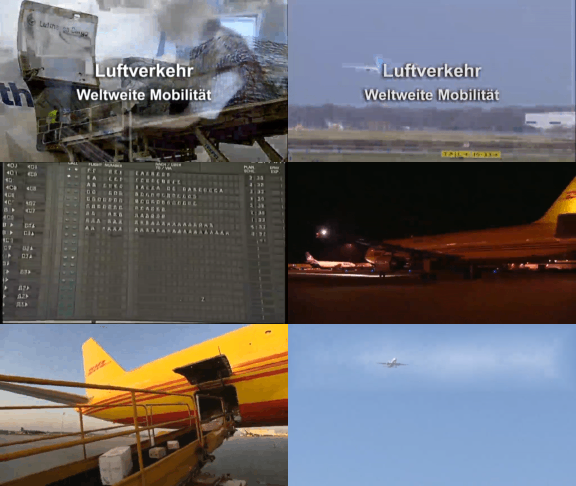
Being able to fly has been a dream of humanity from time immemorial. But it does not even date back a century that people actually started being able to travel through the air. Since the 1960s, the number of flight passengers has been constantly increasing. Thus, the airspace is no longer dominated by birds but by man-made flying objects.
Ceramic
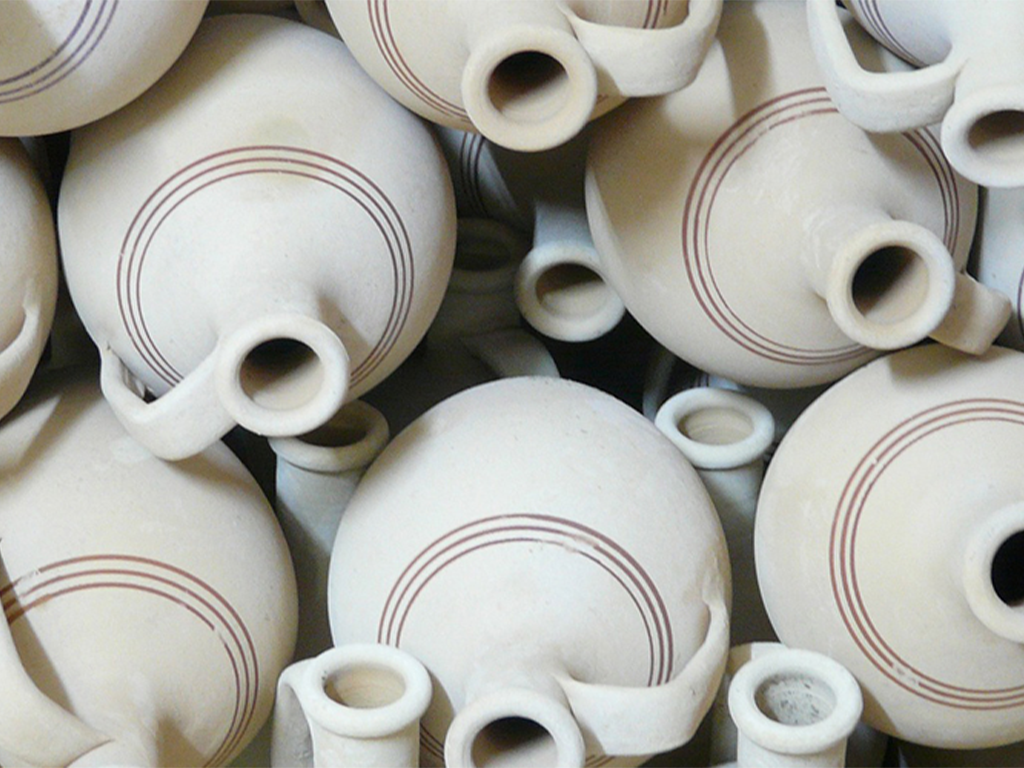
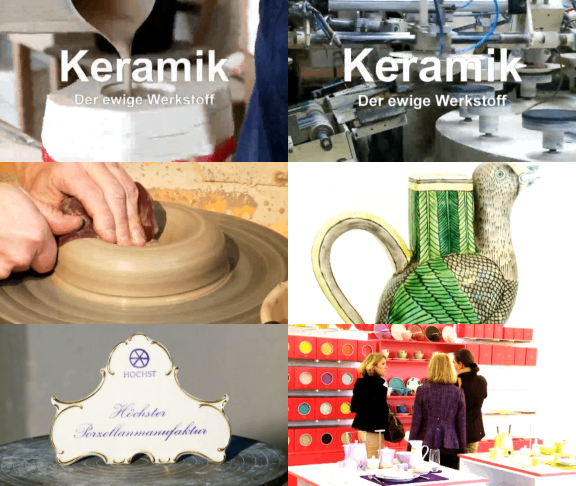
Ceramics are indispensable in our everyday lives. We eat from ceramic plates, drink from ceramic cups, use tiled ceramic bathrooms. But how is ceramic manufactured? The film reveals the secrets of this fascinating material! We get to know more about the beginnings of ceramic in the Old World of Egypt and Mesopotamia, about Greece, China and Rome. We gain interesting insights into the valuable earthenware and are also shown the exquisite further development of the "white gold". Today this versatile material is irreplaceable in industry, too. Whether in space or as an easily compatible substitute in medicine, ceramic is applied in many places.