







 Biology


4671623 / 5561447
Mice, Small Rodents
Characteristics of Various Species
Mice are found almost everywhere. The small agile rodents live in forests, meadows and fields but also in our very midst. They have long or short tails, big or small ears. Even if they differ on the outside, all of them have one thing in common: sharp incisors with which they gnaw their way through life. Not every animal called “mouse“, counts among the ”true mice“. The white-toothed shrew, a small, grey-coloured animal, is often found in settlement areas. Outwardly it looks very similar to a true mouse, its frenzied behaviour reminds of mice, too. Shrews, however, are not rodents but carnivores with sharp little teeth, which feed on worms, woodlice, insect larvae and other invertebrates. They are more closely related to the hedgehog or the mole than to mice.
Play trailer
- <> Languages: DE, EN, TR
- <> Target Groups: Sek I, Sek II
- <> Subject: Biology
- <> Length: 20:01 min
- View in learning platform
Licenses

Curriculum-centred and oriented towards educational standards
Matching

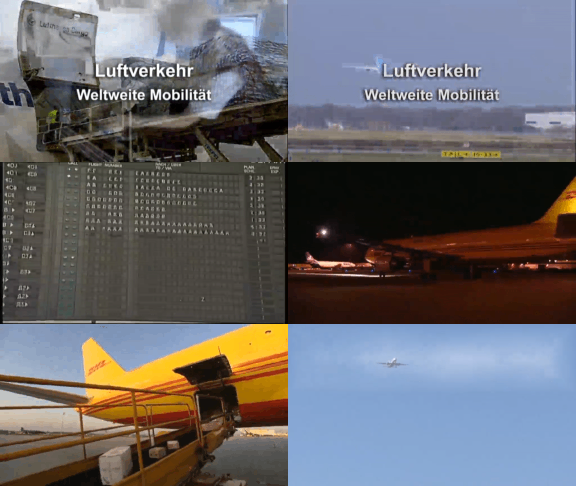
Air Traffic
Being able to fly has been a dream of humanity from time immemorial. But it does not even date back a century that people actually started being able to travel through the air. Since the 1960s, the number of flight passengers has been constantly increasing. Thus, the airspace is no longer dominated by birds but by man-made flying objects.
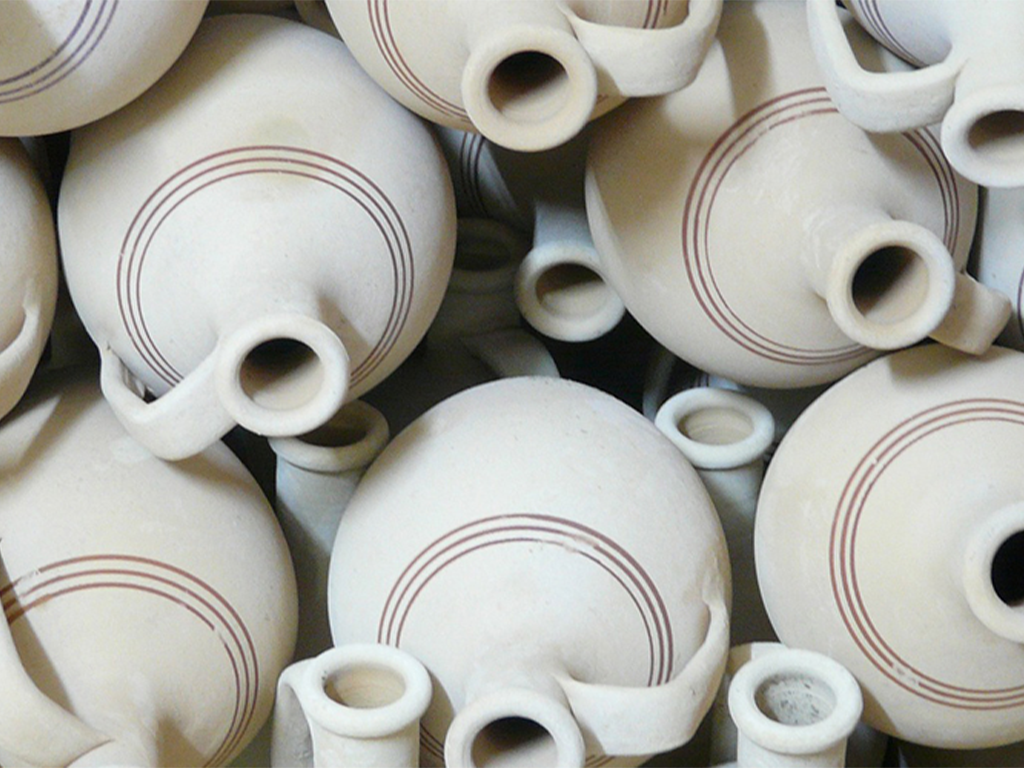
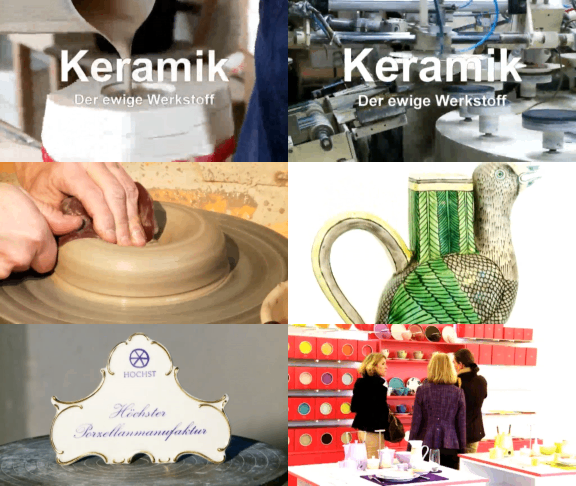
Ceramic
Ceramics are indispensable in our everyday lives. We eat from ceramic plates, drink from ceramic cups, use tiled ceramic bathrooms. But how is ceramic manufactured? The film reveals the secrets of this fascinating material! We get to know more about the beginnings of ceramic in the Old World of Egypt and Mesopotamia, about Greece, China and Rome. We gain interesting insights into the valuable earthenware and are also shown the exquisite further development of the "white gold". Today this versatile material is irreplaceable in industry, too. Whether in space or as an easily compatible substitute in medicine, ceramic is applied in many places.
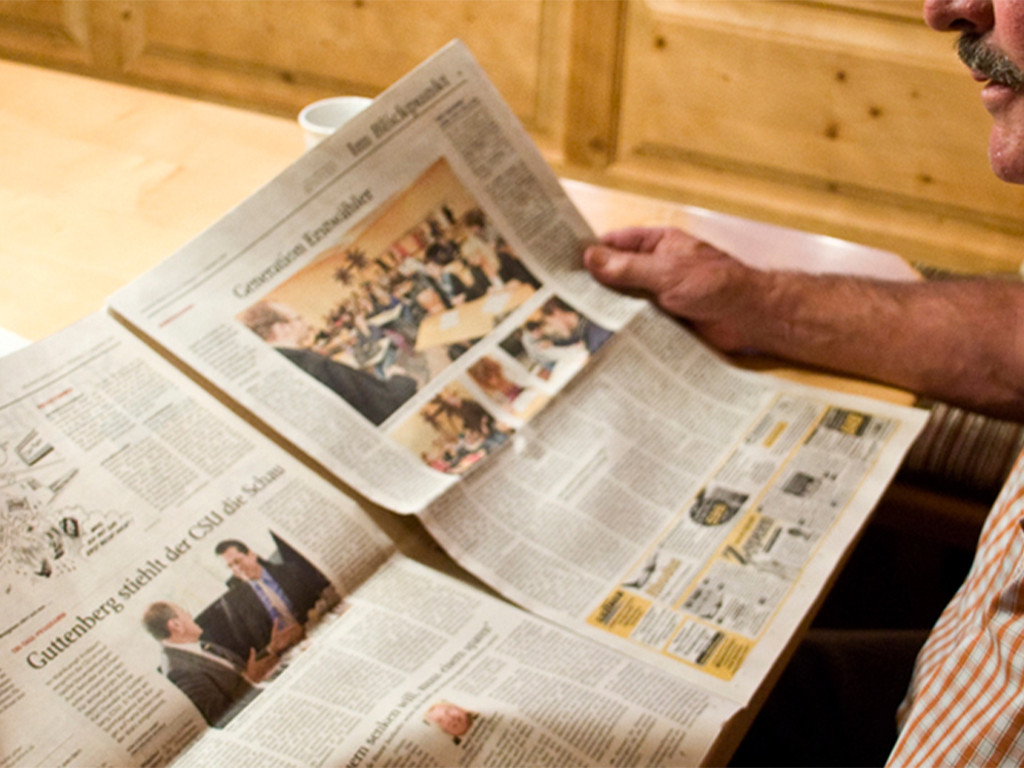
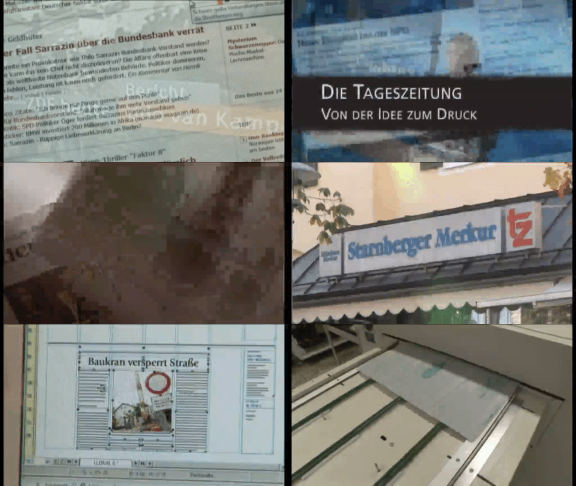
The Daily Newspaper
Every day, there is a surge of news reaching us via different news channels. In spite of TV and Internet, the daily paper still is one of the most important main sources of news. But how is a newspaper created? The film shows the production of a paper in the course of one day. Starting with the editorial meeting in the morning, in which the topics and deadlines are determined, the film accompanies a journalist during her research work. You can see how a journalistic interview is conducted and what the photographer must consider when taking a press photo. Back in the editorial office, the editor’s work is illustrated, which includes the page layout and the writing of an online article in today’s time. Impressive pictures from the printing centre depict the process from the digital page to the finished newspaper. Together with the comprehensive accompanying material, the DVD is perfectly suited for use at school