







 Religion


4667664 / 5558923
Leben im Kloster
Orden und Mönche
Mönche tragen braune Kutten und als Frisur die Tonsur. Mehr wissen wir in der heutigen Zeit meist nicht über Mönche. Dabei gibt es viele Unterschiede innerhalb dieser Lebensform. Was genau sind Mönchsorden und wie sind sie entstanden? Wie viele verschiedene Orden gibt es? Wie leben Mönche und Nonnen? Welche Aufgaben haben sie in der heutigen Zeit? Der Film bietet interessante Einblicke in christliche Ordensgemeinschaften welche im Laufe der Jahrhunderte entstanden. Manche veränderten sich, wurden verboten, lösten sich wieder auf und viele existieren noch heute. Glaubensbrüder berichten von ihrem alltäglichen Leben in ihrem Orden. „Ora et labora“ – „bete und arbeite“, dieses Leitbild gilt auch heute für die meisten Ordensgemeinschaften. Den Schülerinnen und Schülern wird das Themengebiet authentisch vermittelt, Fragen werden geklärt, Missverständnisse aufgeräumt und Informationen rund um Ordensgemeinschaften und ihr Leben verständlich erläutert. Mit dem umfangreichen Begleitmaterial ist die didaktische DVD sehr gut für den Einsatz im Unterricht geeignet.
Play trailer
- <> Languages: DE, EN, TR
- <> Target Groups: Sek I, Sek II
- <> Subject: Religion
- <> Length: 33:41 min
- View in learning platform
Licenses

Curriculum-centred and oriented towards educational standards
Matching

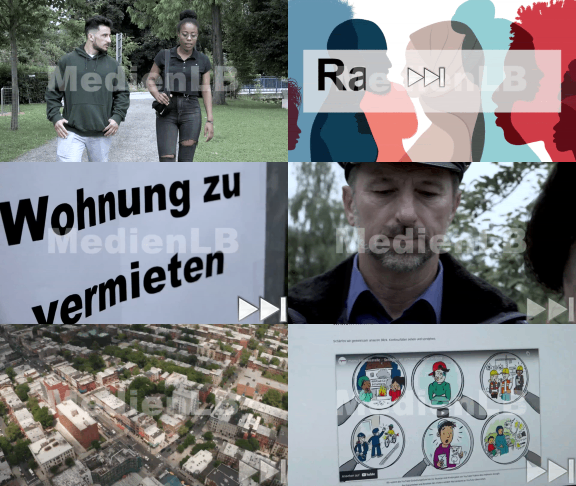
Racism
Do you perhaps know that?

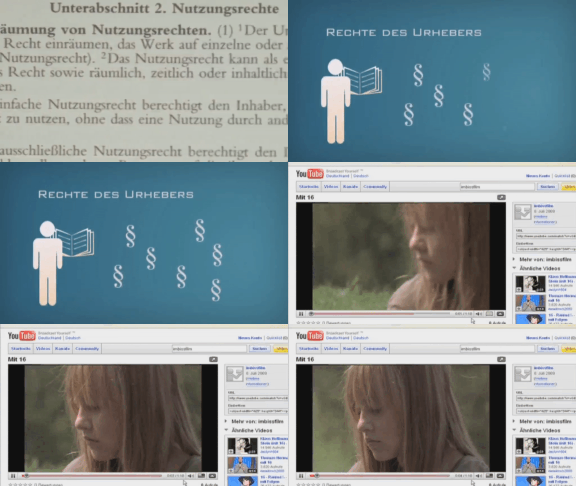
Copyright
Copyright is subject to constant change to keep up with technological advances. This film enables the viewer to grasp the basic principles of this extremely intricate matter. By way of introduction, the film defines what an author is, what kinds of works there are and how long a work is protected on principle. Then the fundamental rights of an author are cited and it is shown how these are exploited in our times. In the third chapter, the respective rights are illustrated by way of practice-oriented examples of books, photos, music and films. Here, of course, an emphasis is laid on the field of education, taking into account the latest case law within the EU and Austria in particular. A further chapter highlights the problems arising with the Internet and goes into the citation law and pirate copies. All in all, in this way the viewer is made familiar with the most important basic terms and their meanings. Comprehensive worksheets and additional accompanying material invite us to deepen our knowledge of the subject.
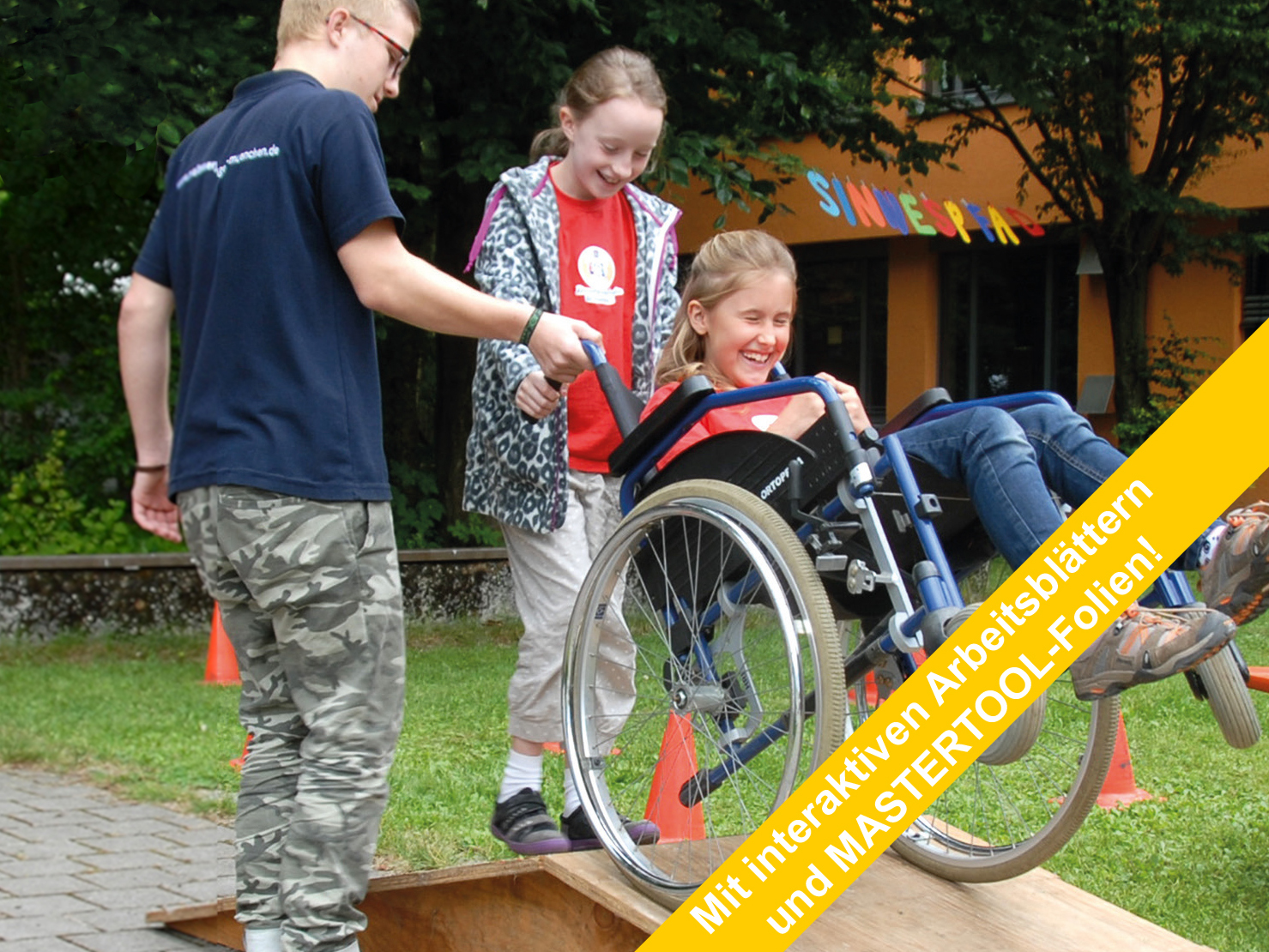
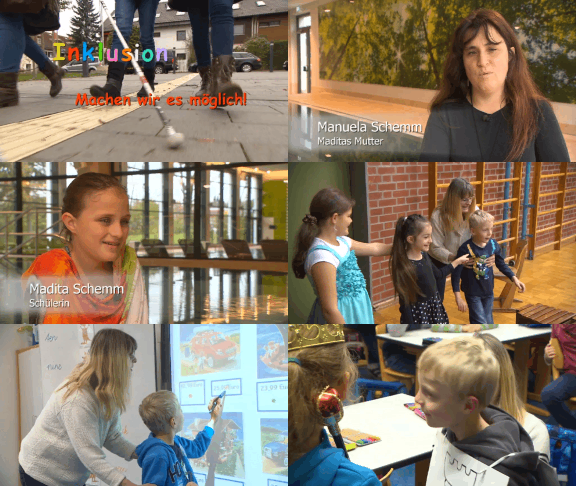
Inclusion
Madita is eleven and blind. She does not want to go to a special school but to a regular grammar school. She says she feels "normal" there. Jonathan is eight and has a walking disability. He likes going to the school where he lives. Here, his best friend sits next to him. Max Dimpflmeier, a teacher who is severely deaf, explains that school life is not easy. Quote Max Dimpflmeier: "You don't want to attract attention, you want to avoid saying that it is necessary for you that 70 people adjust to your situation." People on their way to inclusion.