







55502493
Kohlenstoff
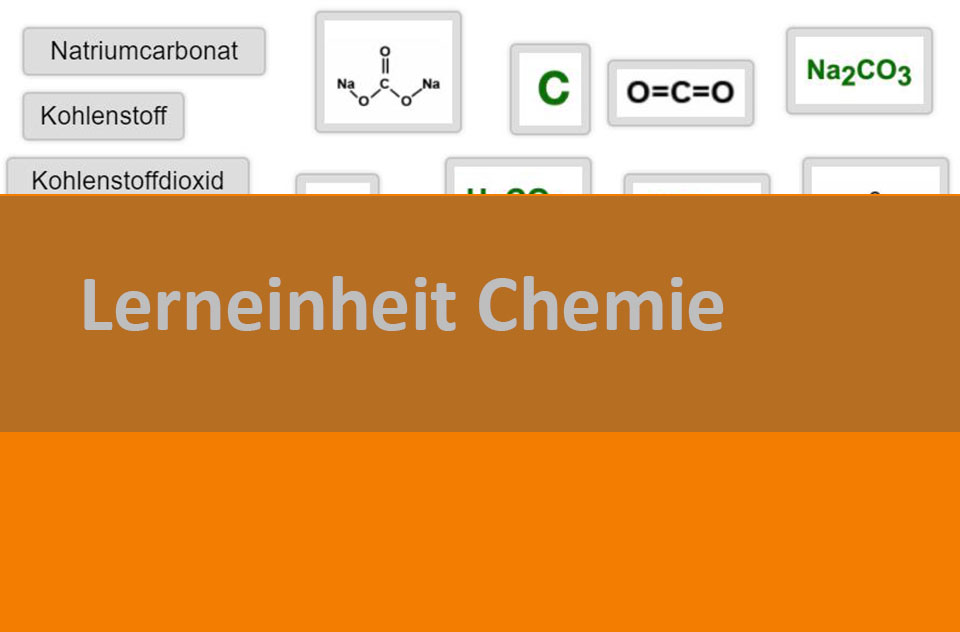
In 10 interaktiven Modulen und in interaktiven Videos wird Wissen zu Kohlenstoff vermittelt und abgefragt.
Das Medium bietet H5P-Aufgaben an, die ohne zusätzliche Software verwendbar sind.
Durch interaktive Aufgabentypen wird das audiovisuelle und interaktive Lernen einfach.
Lernen macht jetzt Spaß!
Included Tasks
- I Was ist Kohlenstoff - Lückentext
- II Kohlenstoff im Alltag - Aufgaben mit Video
- III Kohlenstoffarten - interaktives Video
- IV Kohle und Kohlenstoff - interaktives Quiz
- V Kohlenstoff im Alltag - interaktive Aufgabe
- VI Summenformeln für Spezialisten - interaktive Flashkarten
- VII Strukturformeln und Summenformeln - interaktive Aufgabe
- VIII Kohlenstoff im Buchstabengitter - interaktive Aufgabe
- IX Säure-Basen-Eigenschaften - interaktive Aufgabe
- X Kohlenstoff- interaktive Aufgaben
Curriculum-centred and oriented towards educational standards
Matching

Aluminium I
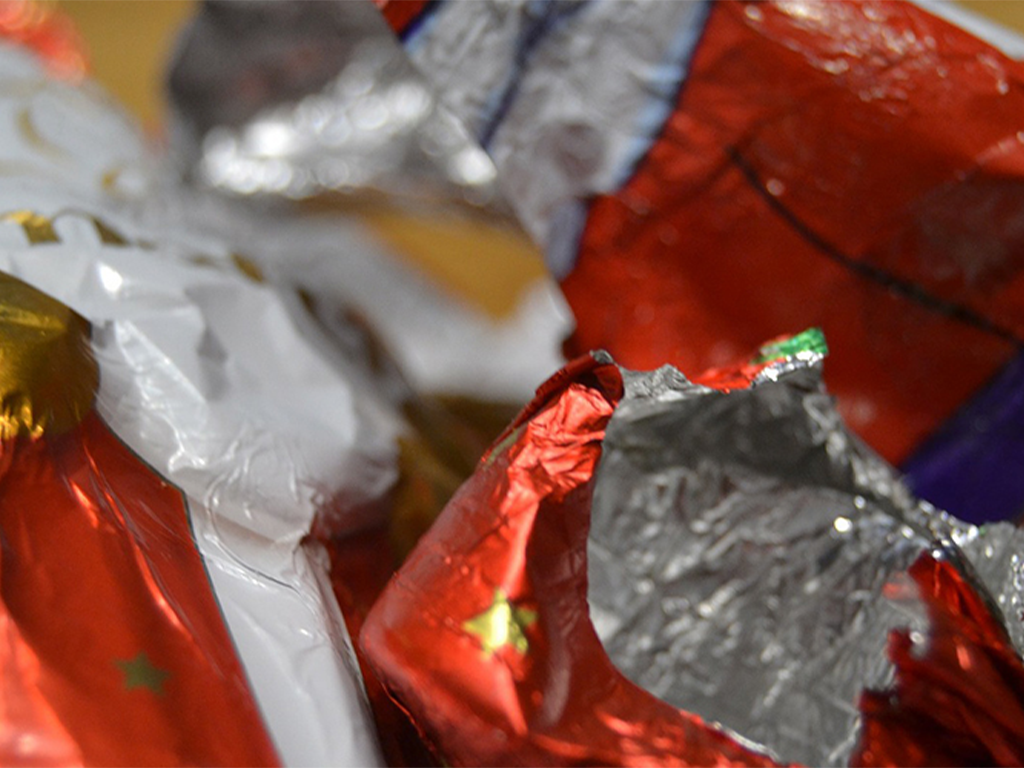
In the modern world, we encounter aluminium at every turn. This is due to the particular properties of the metal. Increasingly, aluminium is about to edge iron and steel out of engineering, as aluminium allows energy-saving lightweight construction of aircraft and vehicles of all kind. Aluminium is weather-resistant, does not rust and is therefore well suited as building material for house facades, window frames or simply for all parts that are exposed to wind and weather. At the same time, aluminium has a noble-looking surface recommending it as material for interior design.

Periodic Table
With the help of the periodic system chemists can predict properties of chemical elements and derive chemical reactions. But you need not be a chemist to understand the periodic system.
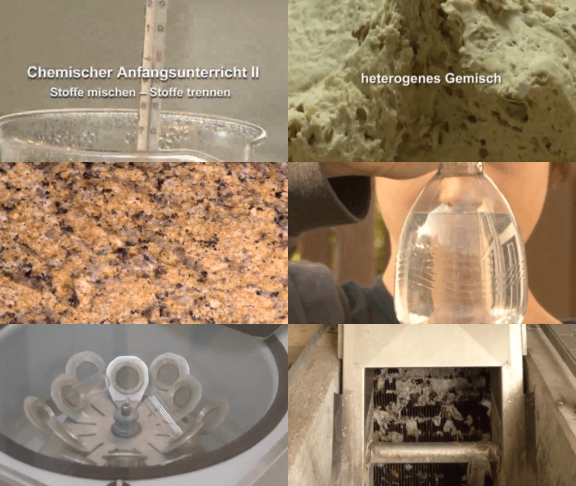
Basics of Chemistry II
When we take a closer look at substances, we discover that they consist of either one single element or of mixtures of several elements. Chemists therefore divide the world of substances into pure and mixed chemical substances. A pure substance is of homogeneous composition. Substance mixtures, however, consist of two or more pure substances. The many mixtures are subdivided not only into homogeneous and heterogeneous mixtures but depending on the respective aggregate states of their components, are classified into various groups of mixtures.