






 Biology
46500490 / 55500338
Joints
Structure and Function
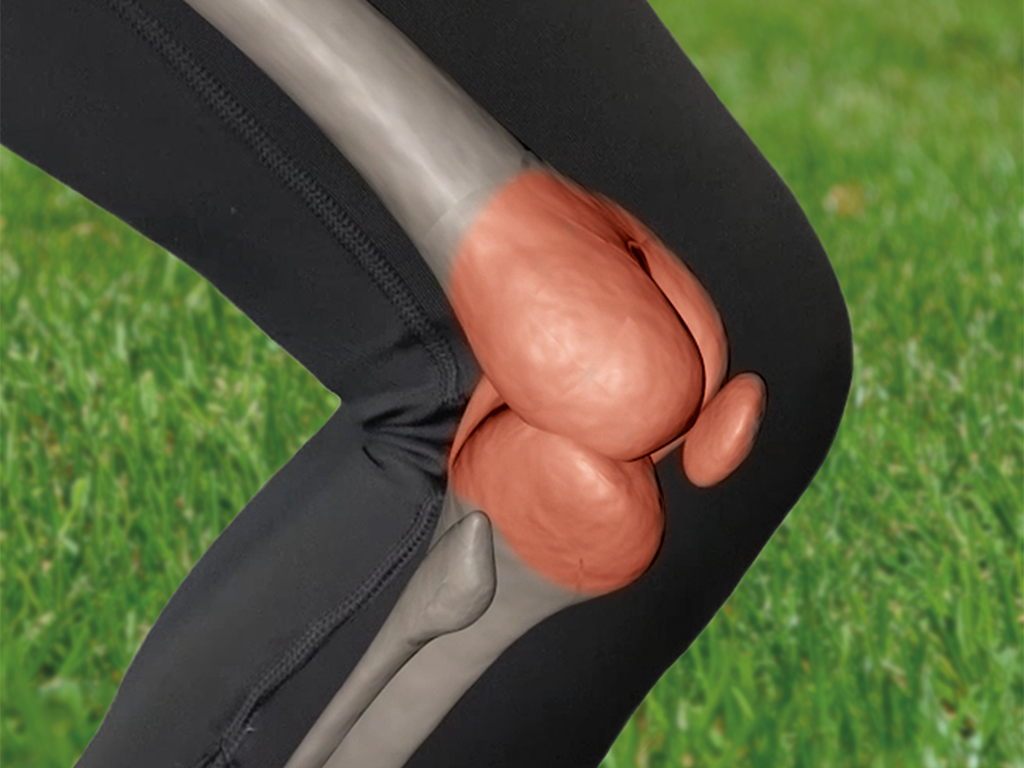
To begin with, we distinguish between so-called “real“ and “fake” joints. Unlike “real” joints, which are separated from each other by a joint space, “fake“ joints form an immovable connection between bones and are therefore called synarthroses. Synarthroses have limited mobility. Their purpose is to hold the bones firmly together thus stabilising our skeletons. Synarthrosis joints can be bony, fibrous or cartilaginous. Depending on the type of connecting material, they are referred to as synostoses, synchondroses or syndesmoses. Among the syndesmotic joints, where two bones are connected by elastic or tout connective tissue, are the ligaments supporting the vertebral column. The rib cartilage, connecting ribs and sternum, as well as the intervertebral discs belong to the cartilaginous joints. With the synostotic joints, the connection of the individual bones consists of bone mass. Among them are cranial bones after ossification of the sutures as well as the sacrum with the superior articular processes, the sacral lamina, the lateral part and the sacral apex.
Play trailer
Curriculum-centred and oriented towards educational standards
Matching
Inclusion
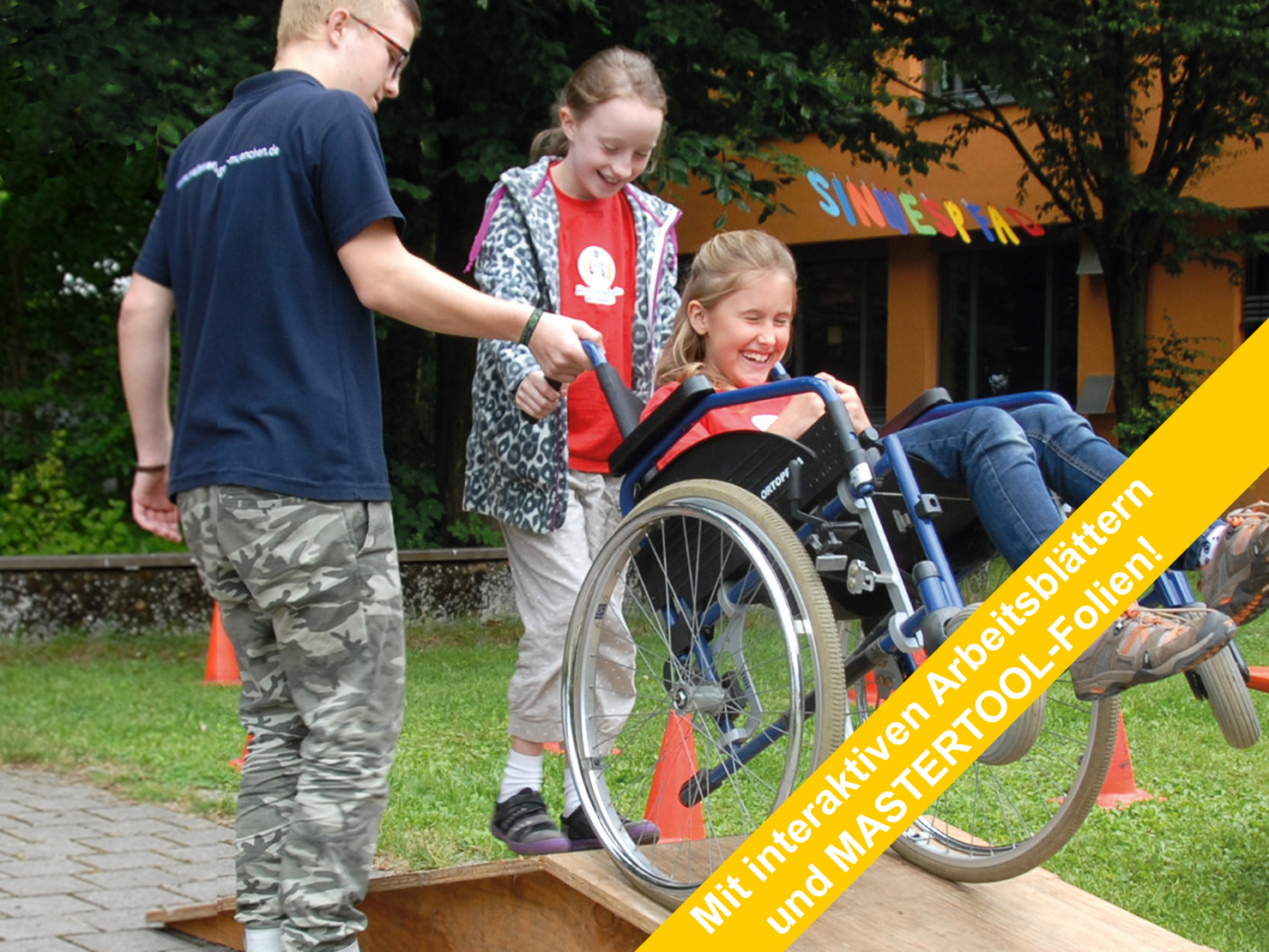
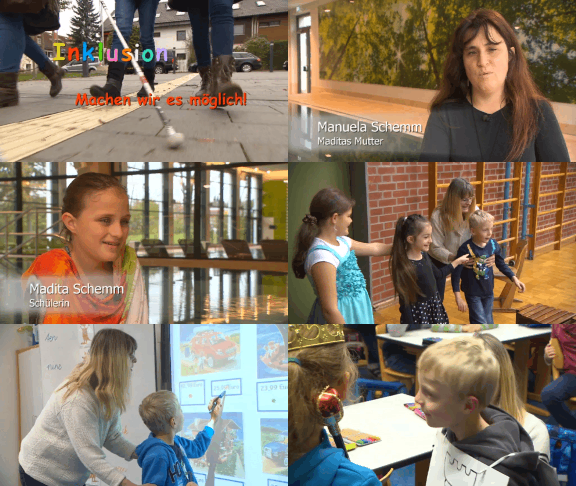
Madita is eleven and blind. She does not want to go to a special school but to a regular grammar school. She says she feels "normal" there. Jonathan is eight and has a walking disability. He likes going to the school where he lives. Here, his best friend sits next to him. Max Dimpflmeier, a teacher who is severely deaf, explains that school life is not easy. Quote Max Dimpflmeier: "You don't want to attract attention, you want to avoid saying that it is necessary for you that 70 people adjust to your situation." People on their way to inclusion.
Ceramic
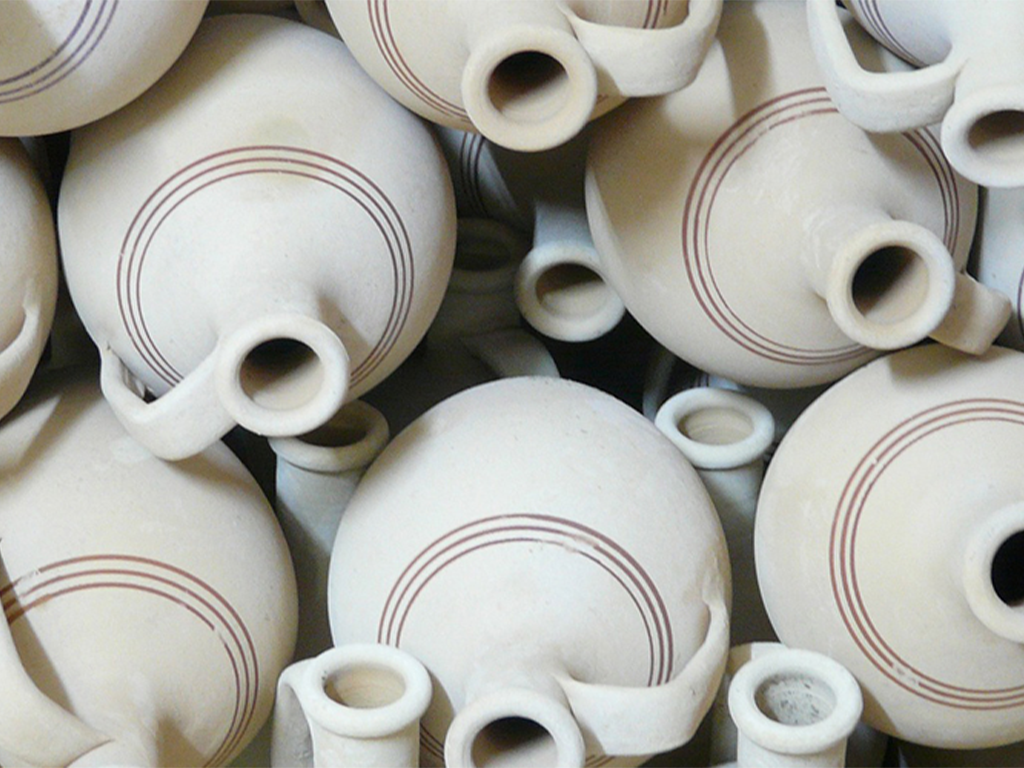
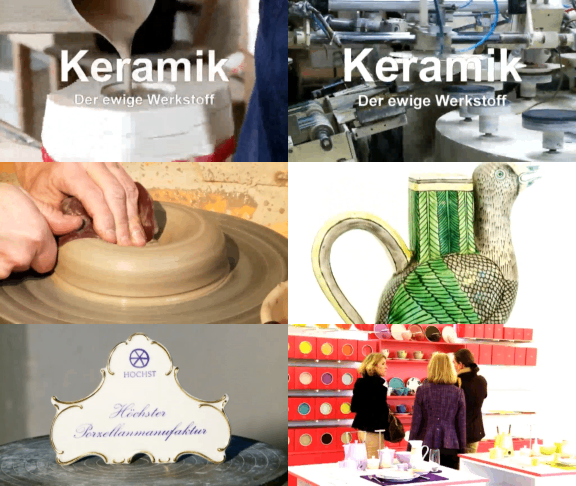
Ceramics are indispensable in our everyday lives. We eat from ceramic plates, drink from ceramic cups, use tiled ceramic bathrooms. But how is ceramic manufactured? The film reveals the secrets of this fascinating material! We get to know more about the beginnings of ceramic in the Old World of Egypt and Mesopotamia, about Greece, China and Rome. We gain interesting insights into the valuable earthenware and are also shown the exquisite further development of the "white gold". Today this versatile material is irreplaceable in industry, too. Whether in space or as an easily compatible substitute in medicine, ceramic is applied in many places.
Podcasting
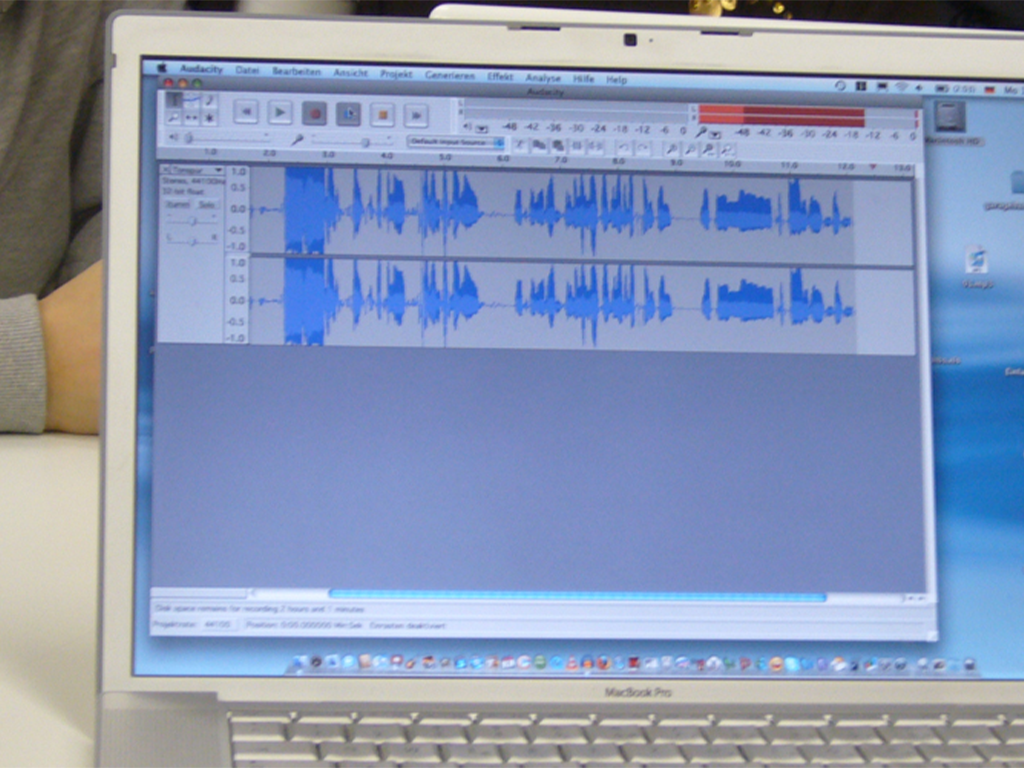
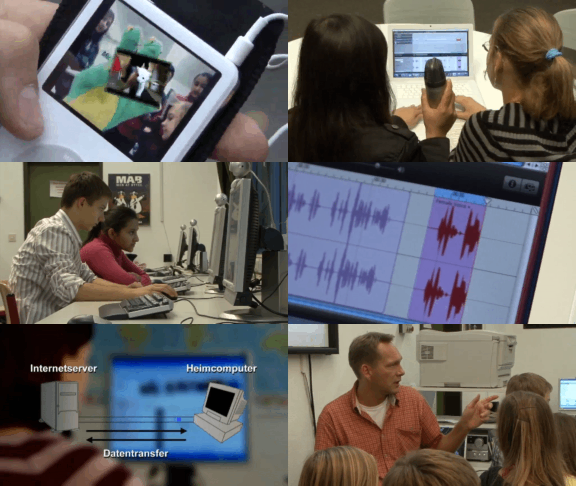
Today, the use of new media has become a matter of course not only in everyday life – schools and teaching, too, benefit from the new technologies and methods, which support active and independent learning. Especially in computer science, ethics and language courses but also in all other subjects, modern media are a valuable pedagogic and didactic asset. This DVD uses the example of podcasts to demonstrate how the possibilities opened up by new media can be applied in the classroom and how the pupils can be taught to handle them in a competent and target-oriented manner. The film is aimed at supporting the use of podcasts at school and encourages making them. This also requires the ability to find information on the Internet and assess it. The film informs on the functionality of podcasts and technical background as well as on the teaching and learning possibilities offered by podcasts – ranging from specific contents to superordinate learning targets such as the advancement of creativity and team spirit. The DVD is a useful support for teachers applying new media and wishing to show their pupils how to handle Running Time: 20:29 ms them in a sensible way.