







 Biology
46500490 / 55500338
Joints
Structure and Function
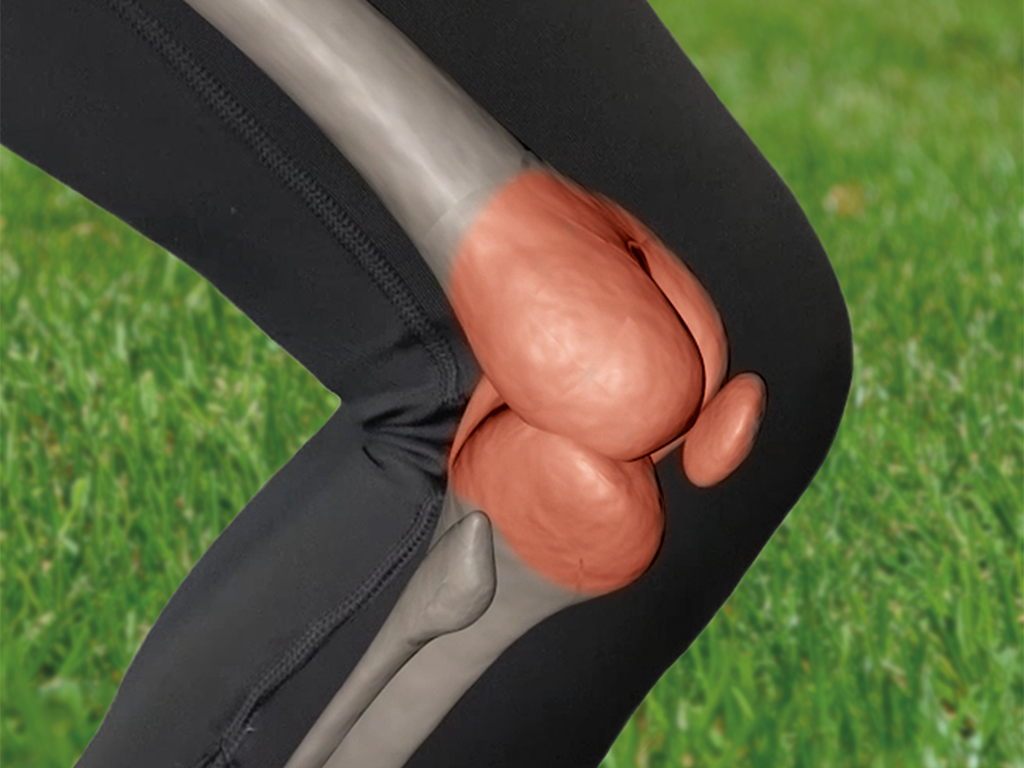
To begin with, we distinguish between so-called “real“ and “fake” joints. Unlike “real” joints, which are separated from each other by a joint space, “fake“ joints form an immovable connection between bones and are therefore called synarthroses. Synarthroses have limited mobility. Their purpose is to hold the bones firmly together thus stabilising our skeletons. Synarthrosis joints can be bony, fibrous or cartilaginous. Depending on the type of connecting material, they are referred to as synostoses, synchondroses or syndesmoses. Among the syndesmotic joints, where two bones are connected by elastic or tout connective tissue, are the ligaments supporting the vertebral column. The rib cartilage, connecting ribs and sternum, as well as the intervertebral discs belong to the cartilaginous joints. With the synostotic joints, the connection of the individual bones consists of bone mass. Among them are cranial bones after ossification of the sutures as well as the sacrum with the superior articular processes, the sacral lamina, the lateral part and the sacral apex.
Play trailer
Curriculum-centred and oriented towards educational standards
Matching
Stalking
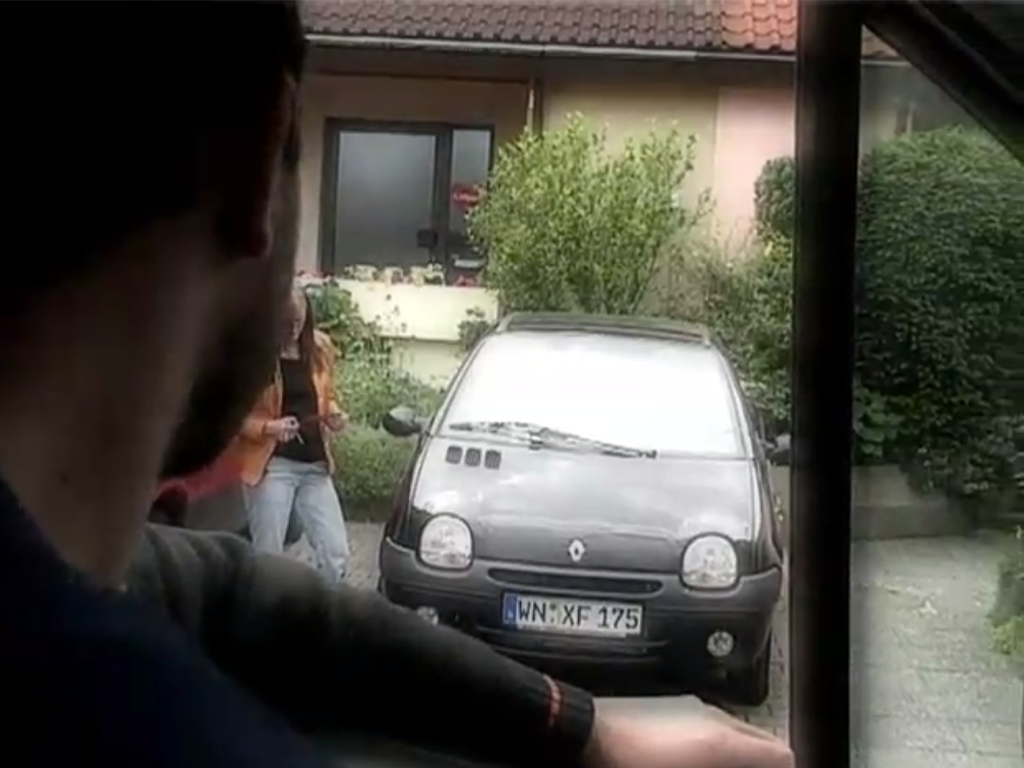
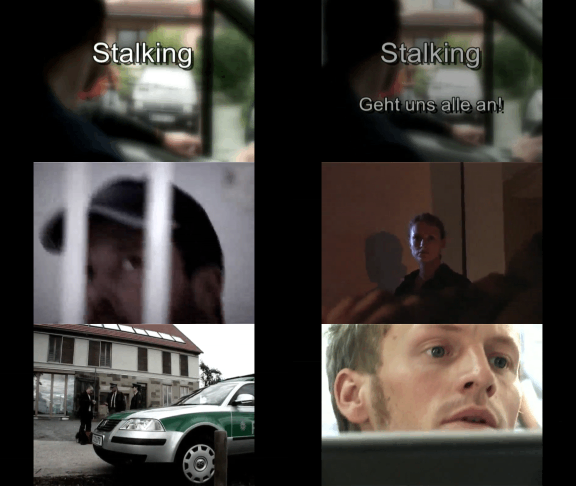
n Germany, 12 % of all federal citizens are pursued by a stalker once in their lives. And not only celebrities are among their victims! Everyone may be confronted with such a situation.

Computer Games
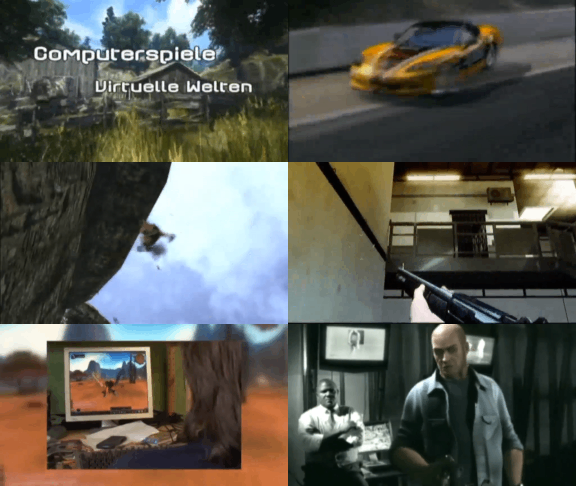
This film covers the topic of computer games in a variety of ways and from many different angles. Apart from the fascina- tion of computer games for users, the historical development as well as the production of computer games are described. The established genres are introduced, the guidelines of the German BPjM are explained. In light of recent public discussions, a neutral overview of the pros and cons of playing computer games is given, and different kinds of player behaviour are outlined. In this film, the pupils will recognise many aspects of their favourite pastime that encourage an independent, constructive use of this medium and reinforce their media competency. The film and teaching material are very closely related to the real-life situation.


Blogging
The weblog or blog, for short, as a medium is not much older than this century. Blogs came into being in the World Wide Web as ’messages from below’, as web pages from web creators who wanted to share their view of the world with the world. They are short notes, long texts, pictures, videos, which are posted loosely and at random intervals to the world for an undefined public.