







55502588
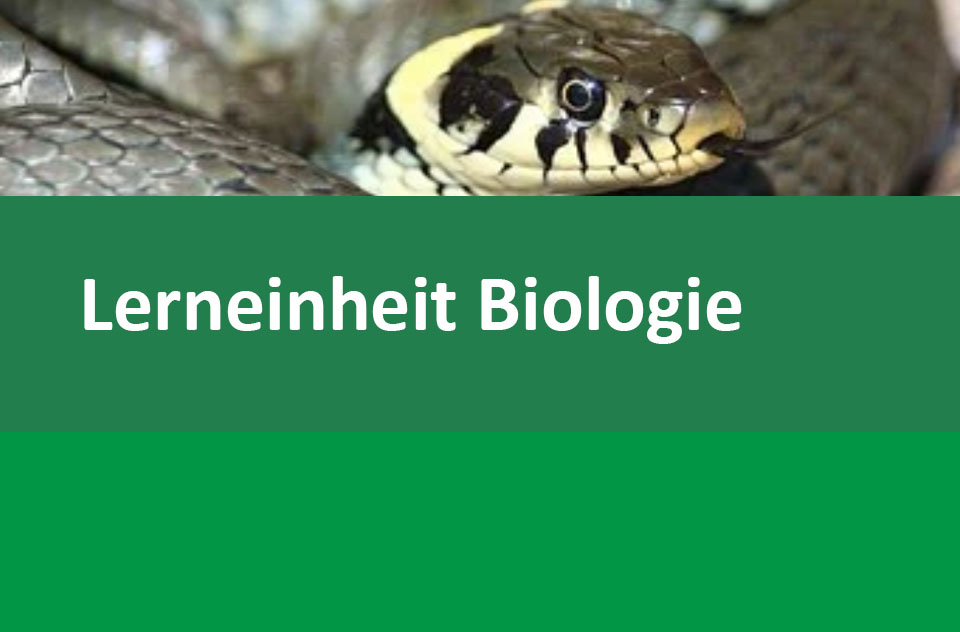
Heimische Schlangen
In 10 interaktiven Aufgaben und Videos wird Wissen zu heimischen Schlangen vermittelt und anschließend abgefragt.
Das Medium bietet H5P-Aufgaben an, die ohne zusätzliche Software verwendbar sind.
Durch interaktive Aufgabentypen wird das audiovisuelle und interaktive Lernen einfach.
Lernen macht jetzt Spaß!
Included Tasks
- I Heimische Schlangen - Einführung - Aufgaben mit Text
- II Heimische Schlangen - Die Kreuzotter - Aufgabe mit Video
- III Heimische Schlangen - Die Ringelnatter - Aufgaben mit Text
- IV Heimische Schlangen - Die Aspisviper - Aufgaben mit Text
- V Heimische Schlangen - Würfelnatter - Aufgaben mit Text
- VI Heimische Schlangen - Die Äskulapnatter - Aufgaben mit Text
- VII Heimische Schlangen - Die Schlingnatter - Aufgaben mit Text
- VIII Heimische Schlangen - Exkurs: Die Blindschleiche - Schlange oder Echse ohne Beine? - Aufgabe mit Video
- IX Heimische Schlangen - Wortsuchsel
- X Heimische Schlangen - Finde die Bildpaare
Curriculum-centred and oriented towards educational standards
Matching
Jane Goodall
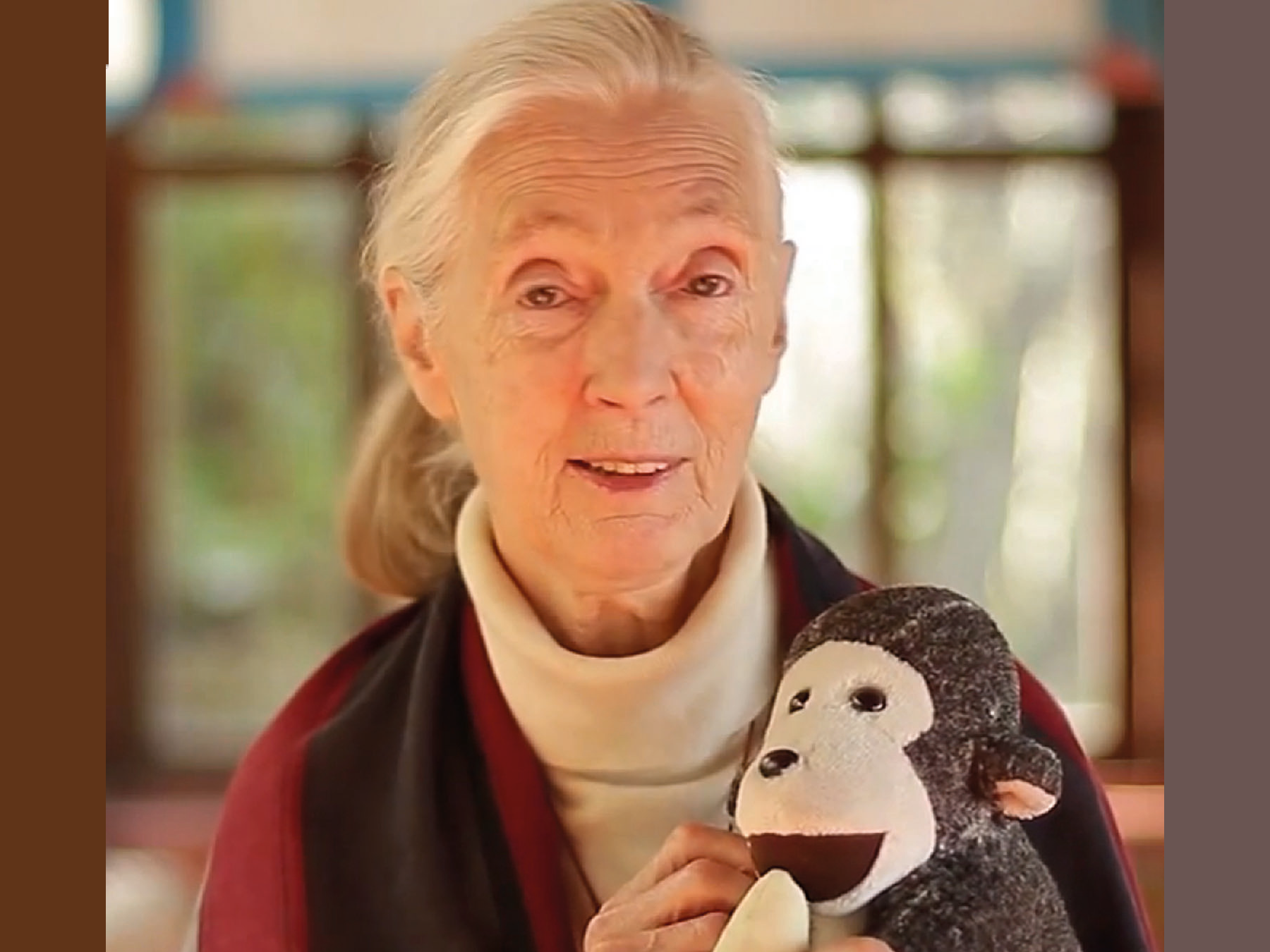
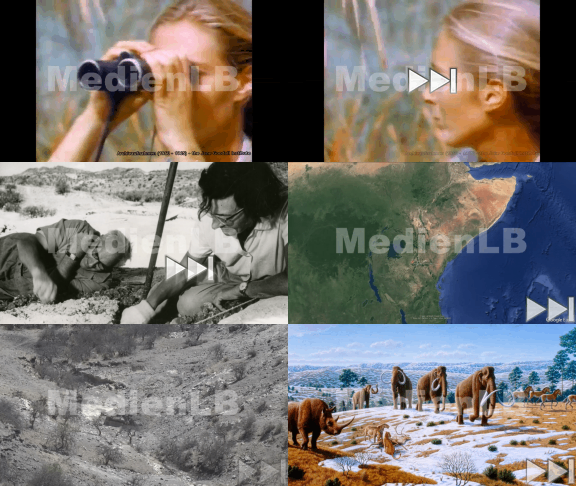
Jane Goodall is considered a pioneer among behavioral scientists in the world of chimpanzees. At the age of only 26, she began her work as a scientist in Tanzania, East Africa, in early 1960. She lives with free-ranging chimpanzees and provides insights into their social behavior and abilities. As founder of the Jane Goodall Institute, she has worked since 1986 to raise awareness and sustainability regarding the coexistence of humans, animals and the environment. The film provides insights into the life and work of Jane Goodall.
Invertebrates
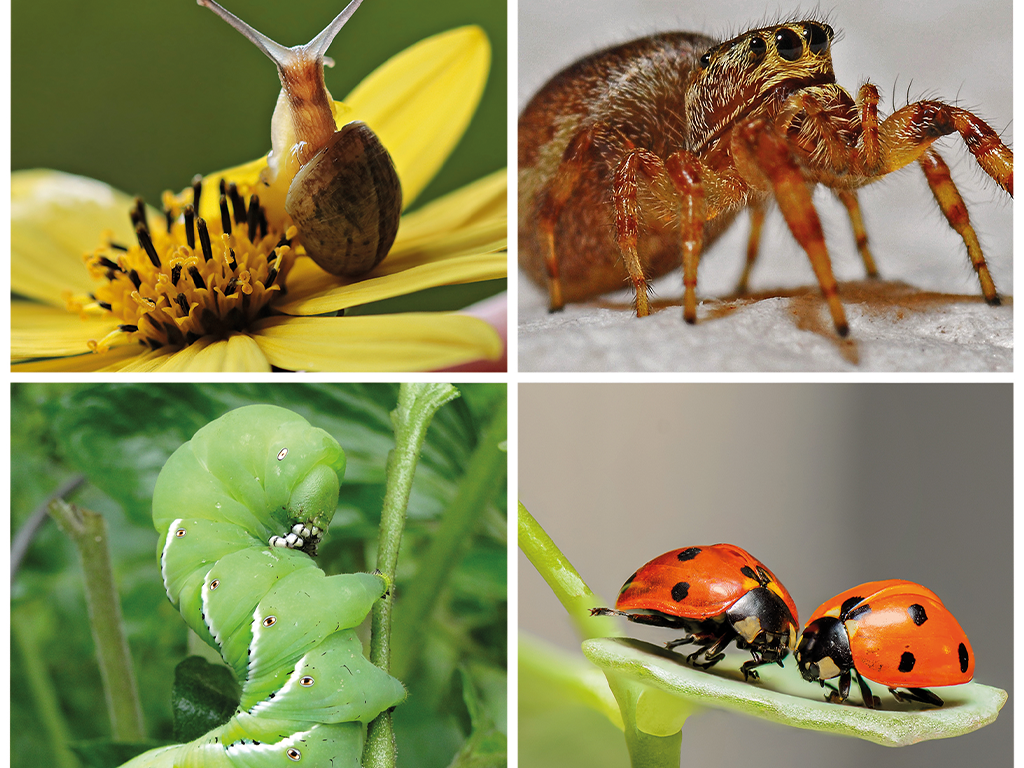
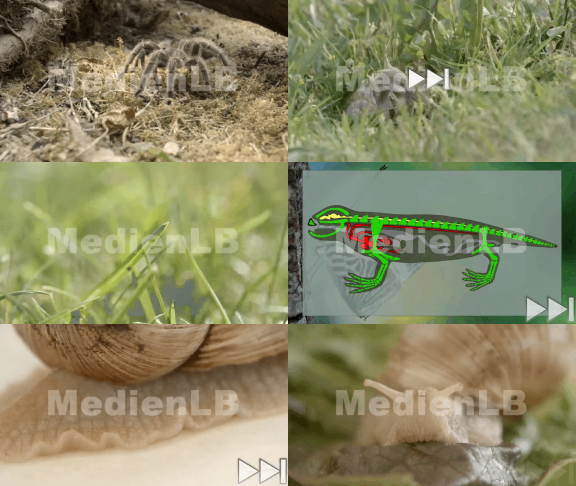
The term “invertebrates” was coined by the French zoologist and botanist Jean-Baptiste de Lamarck in the early 19th century. He was the first to address the classification of the then so-called “lower animals” and divided them into different categories and classes.
Human Brain
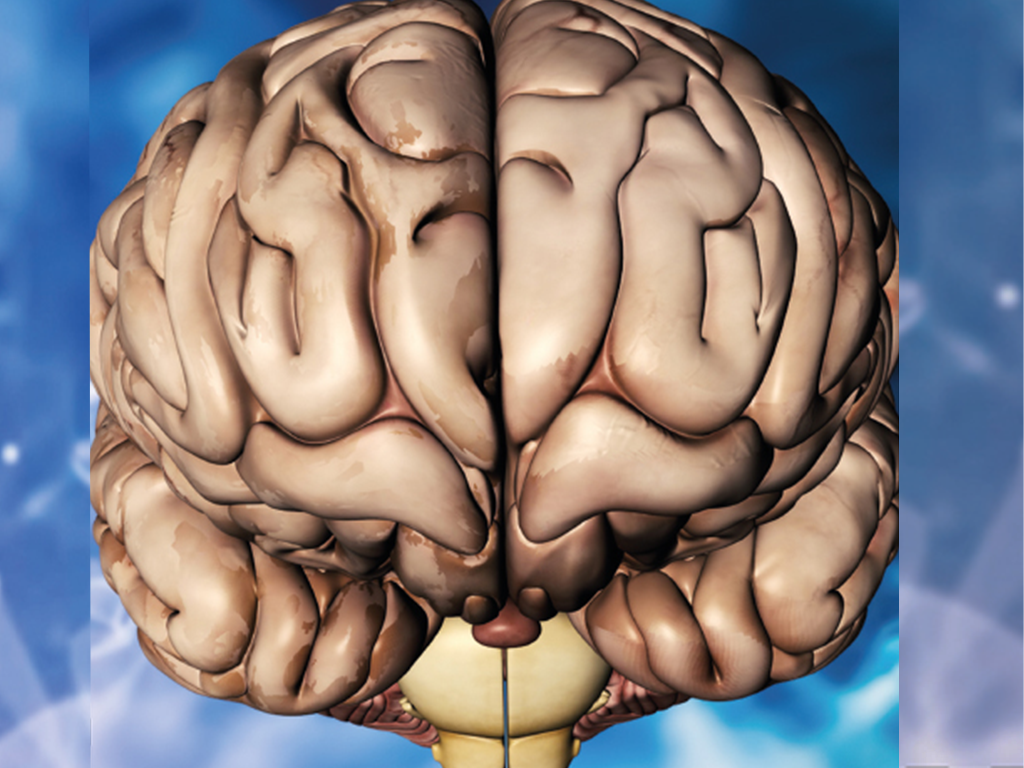
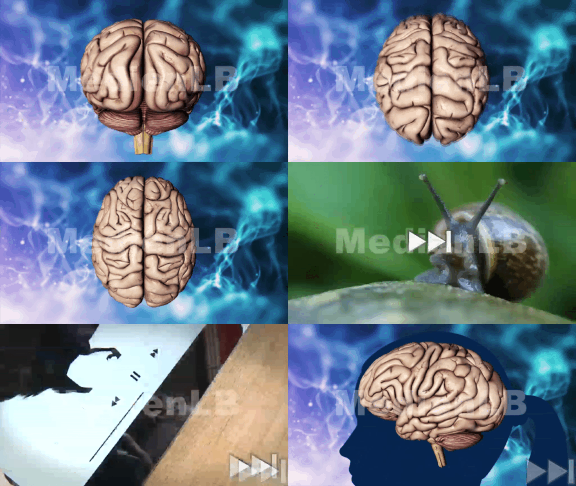
Every organism, no matter whether it is an earthworm, a snail, a fish or a human being, takes in information from the environment through differently structured sensory organs. This was absorbed first by a diffusely organised nervous system, which, in the course of evolution, has been replaced by a hierarchically organised one. Eventually a controlling centre has developed that interconnects and coordinates the nerve impulses supplied by receptors, reacts appropriately and is called the brain. In more highly developed organisms a part of the body has developed into a head, in parallel to the development of the brain.