






 History
4678999 / 5565759
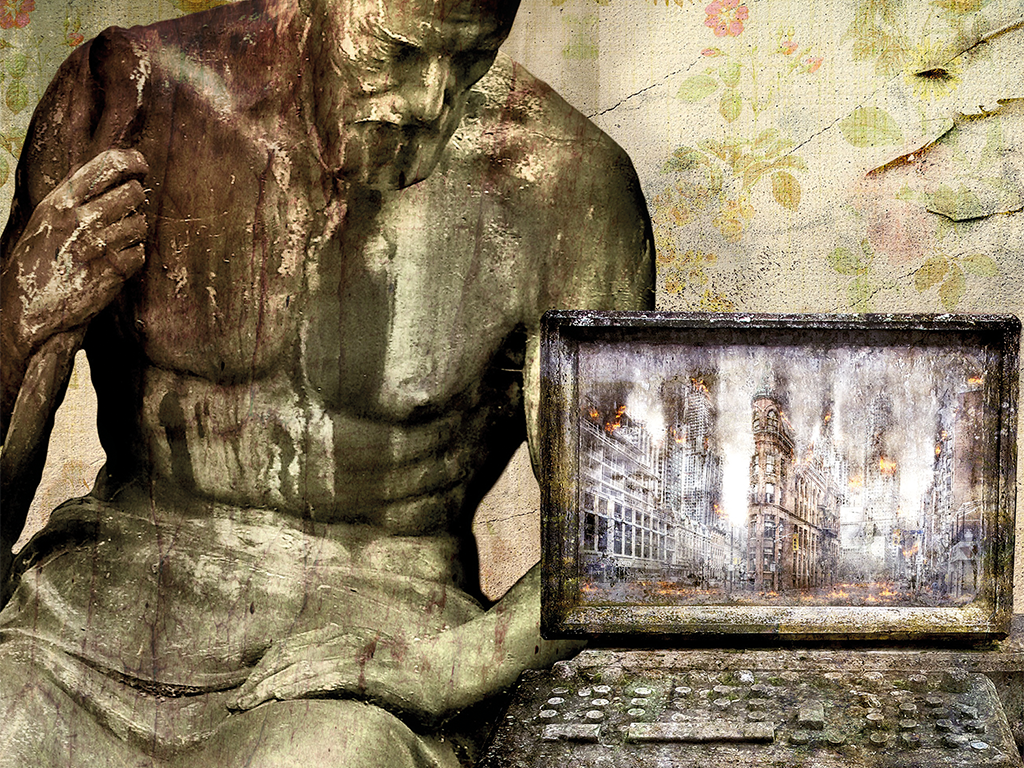
From Antiquity to the Modern Era
How Europe Has Become What It Is Today
A lot of things we take for granted are actually the result of a long struggle. We live in a democracy and determine our government with elections. We live in Germany, but at the same time also in Bavaria or in Mecklenburg-Western Pomerania or in North Rhine-Westphalia or in another federal state. Usually, the steeple is the highest building in our towns. And the Pope has his seat in Rome. How has everything that seems so normal to us developed?
Play trailer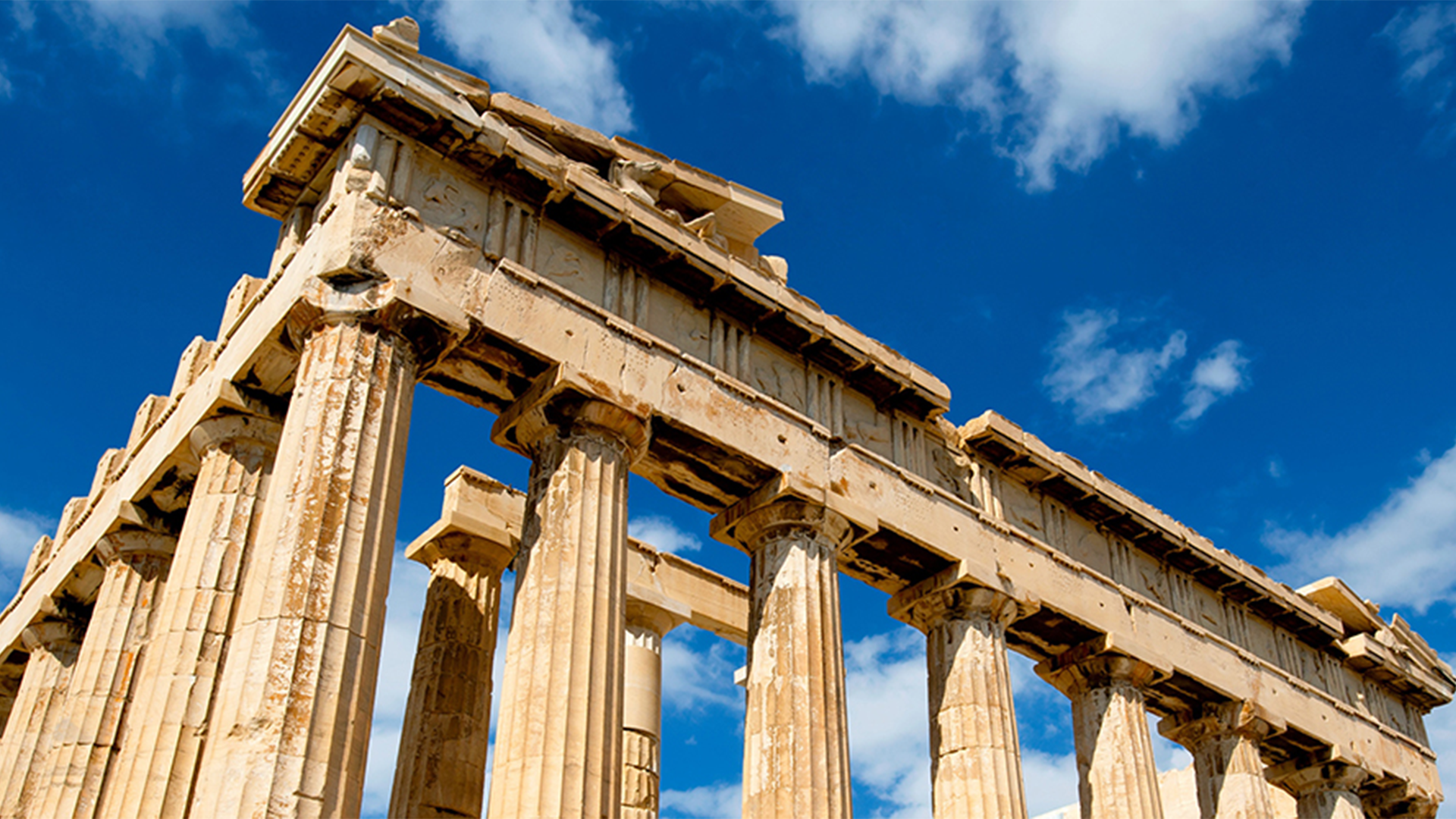
Curriculum-centred and oriented towards educational standards
Matching
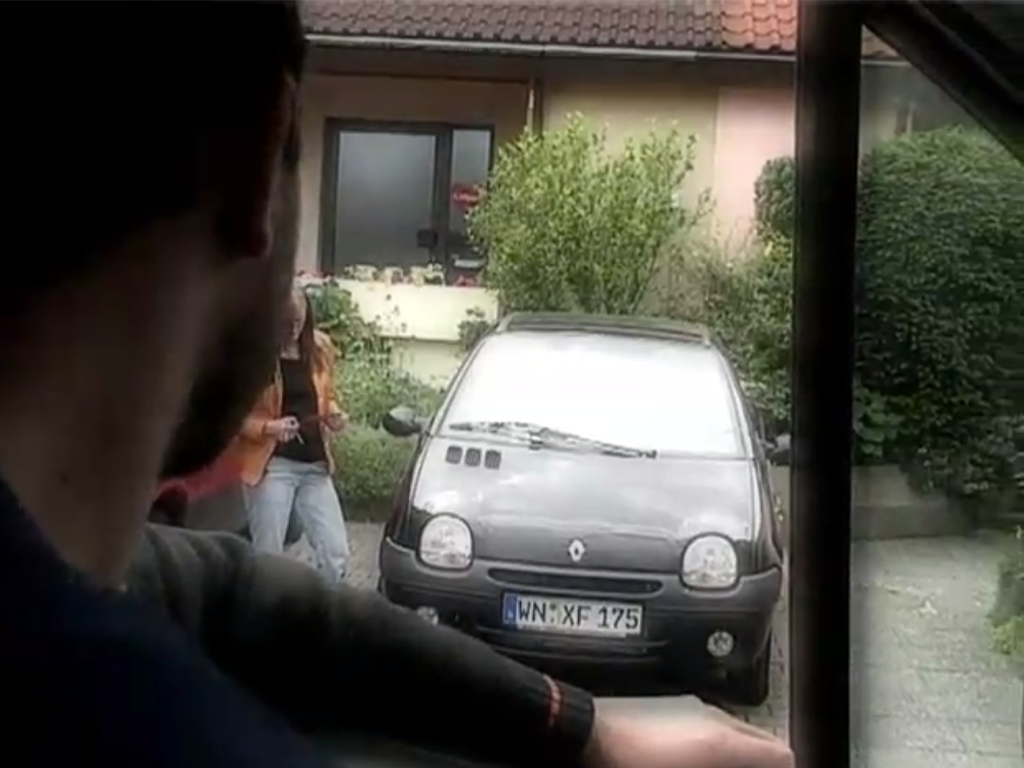
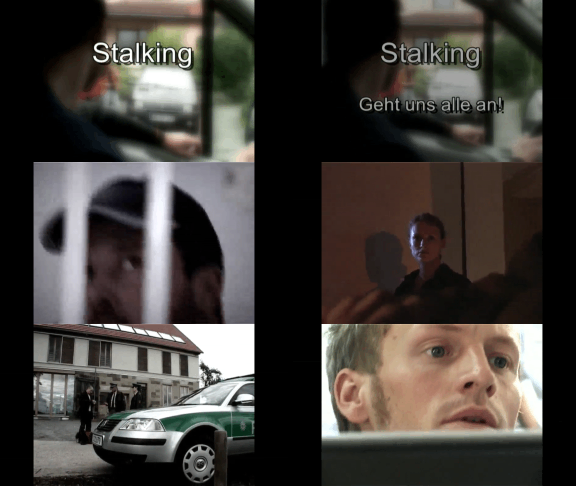
Stalking
n Germany, 12 % of all federal citizens are pursued by a stalker once in their lives. And not only celebrities are among their victims! Everyone may be confronted with such a situation.
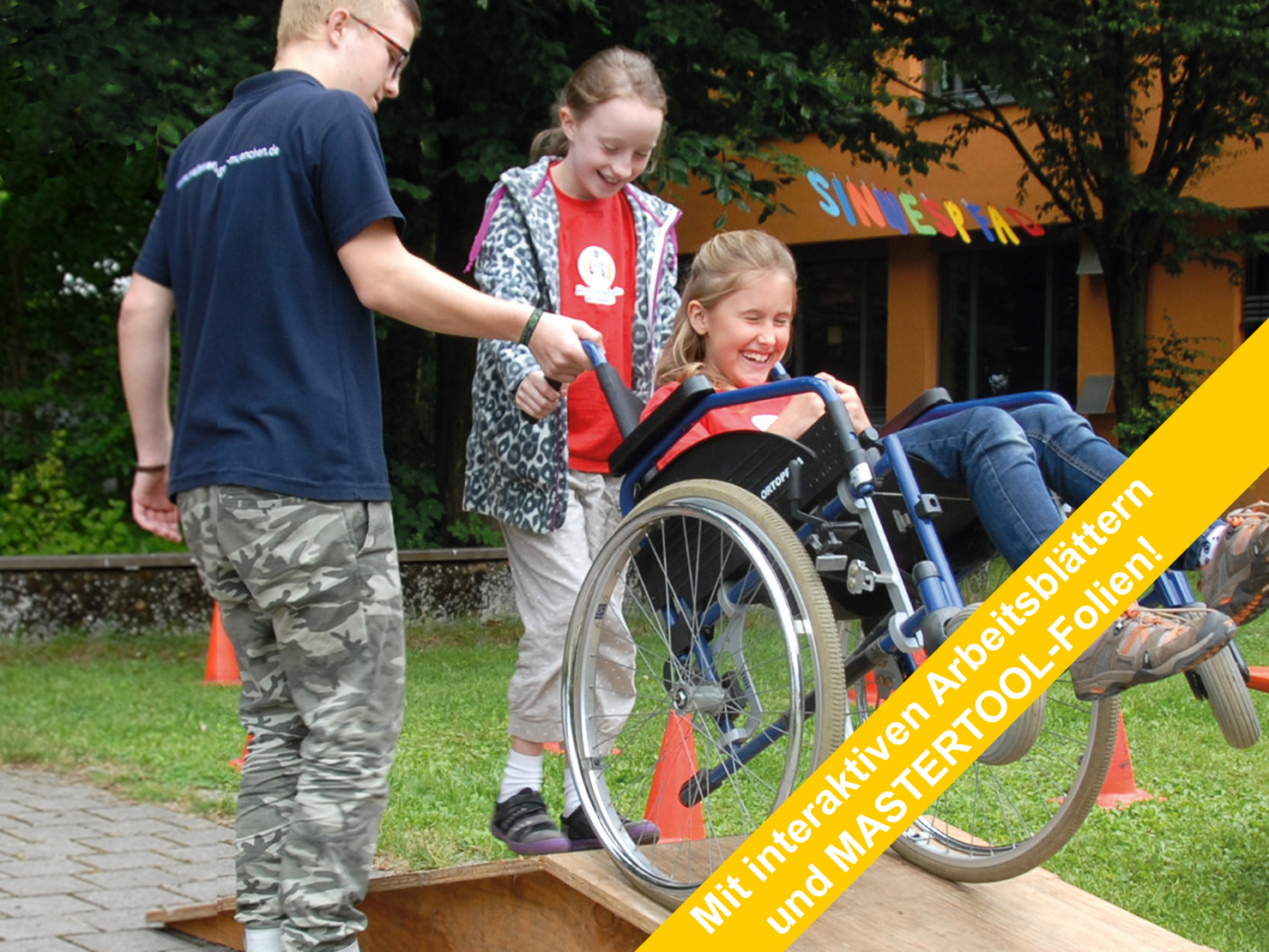
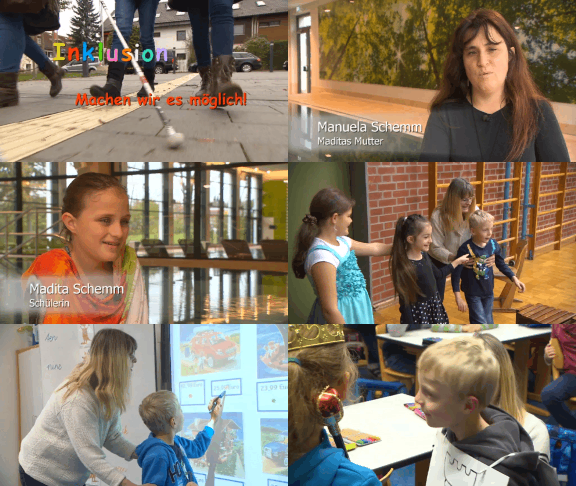
Inclusion
Madita is eleven and blind. She does not want to go to a special school but to a regular grammar school. She says she feels "normal" there. Jonathan is eight and has a walking disability. He likes going to the school where he lives. Here, his best friend sits next to him. Max Dimpflmeier, a teacher who is severely deaf, explains that school life is not easy. Quote Max Dimpflmeier: "You don't want to attract attention, you want to avoid saying that it is necessary for you that 70 people adjust to your situation." People on their way to inclusion.
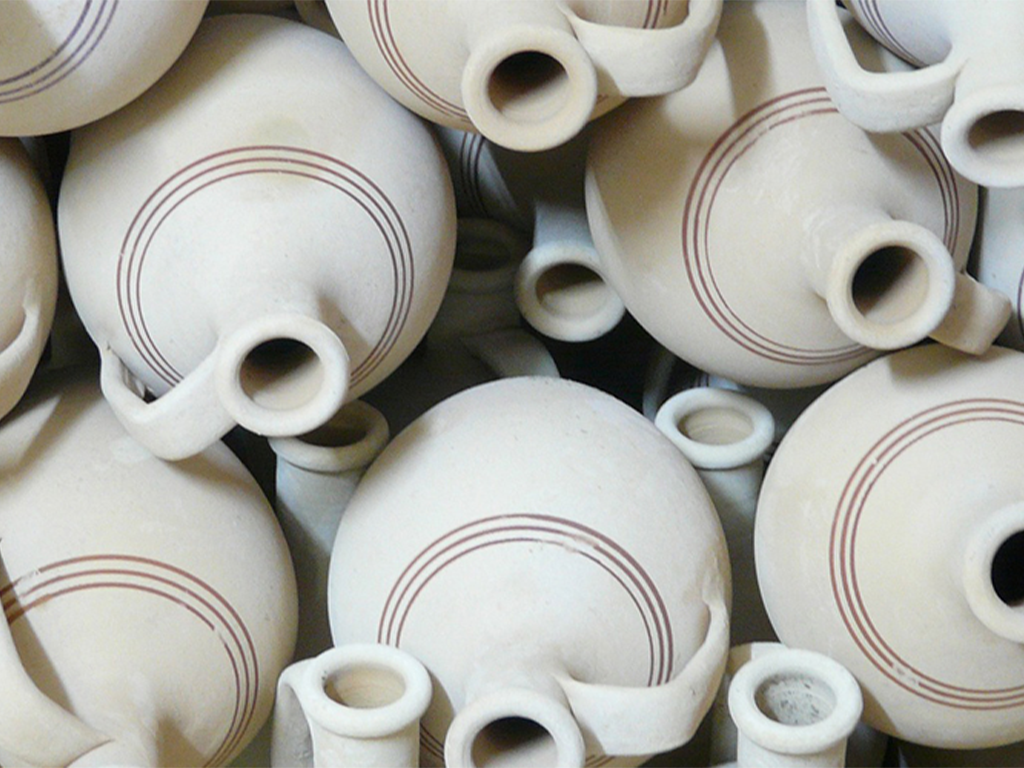
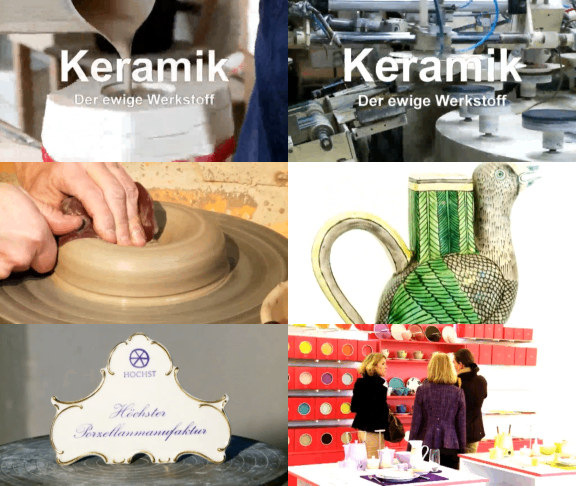
Ceramic
Ceramics are indispensable in our everyday lives. We eat from ceramic plates, drink from ceramic cups, use tiled ceramic bathrooms. But how is ceramic manufactured? The film reveals the secrets of this fascinating material! We get to know more about the beginnings of ceramic in the Old World of Egypt and Mesopotamia, about Greece, China and Rome. We gain interesting insights into the valuable earthenware and are also shown the exquisite further development of the "white gold". Today this versatile material is irreplaceable in industry, too. Whether in space or as an easily compatible substitute in medicine, ceramic is applied in many places.