







 History, Politics / Civics
4669652 / 5560322
Europe
From Ancient Civilisations to the EU
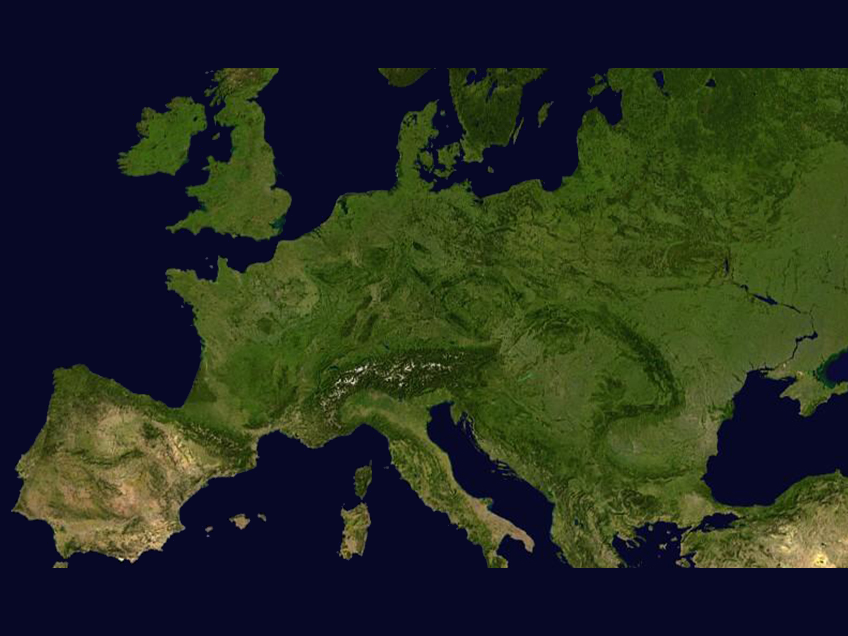
According to many scientists, the beginnings of Europe go back to antiquity, and there specifically to the freedom and democracy of the Greeks. Others consider the foundations laid as late as in the Middle Ages. But the settlement of the area we call Europe today began far earlier. The key periods of our European history are to explain how Europe became what it is today. Biting cold, oppressive heat, devastating drought and extreme climate shifts triggered the extinction of Neanderthal man, whose spread was limited to Europe and the Middle East, as well as the triumph of Homo sapiens, the intelligent human being. According to our current state of knowledge, mankind had its origins in north-eastern Africa. It is assumed that the use of fire as the first step to control of the environment and the development of language led to the gradual spread of mankind from there. Homo sapiens arrived in Europe about 40,000 years ago.
Play trailer
Curriculum-centred and oriented towards educational standards
Matching


Internet Addiction
The film consists of two parts. The first part is the 15-minute short film “In the Net”. It describes the problem of excessive Internet use in a humorous way, in particular the risk of losing touch with reality when chatting. The second part illustrates with three real persons how Internet addiction can develop and the problems encountered by those who are afflicted. The authentic statements are commented by an experienced therapist. For many pupils, the issues addressed here are related to their everyday lives. What is a “sensible” use of the Internet, where does pathological addiction start? In contrast to addiction to alcohol, nicotine or drugs, the public seems to be largely ignorant of the problem of this addiction, which is not related to any substance abuse. The film provides material for discussion in the classroom (crossdisciplinary) and can be used as a basis for the formulation of prevention strategies.
Rights and Obligations
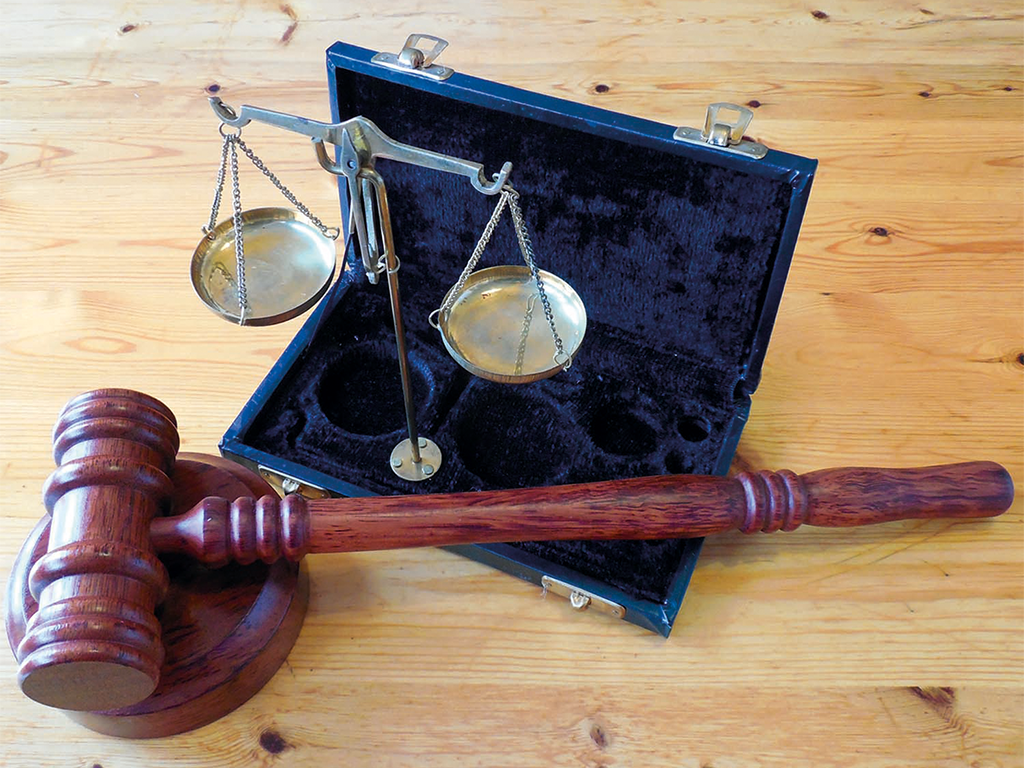
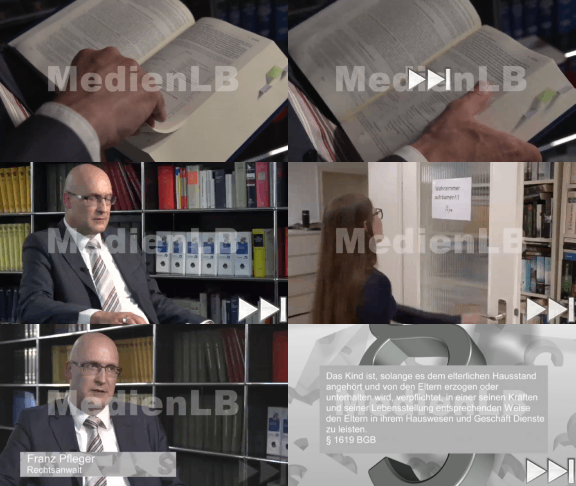
Three girls of different ages: Anna is 17, Paula 15 and Lena 13. Before the law, their respective ages have consequences – because children and adolescents have different rights and also obligations.

Ceramic
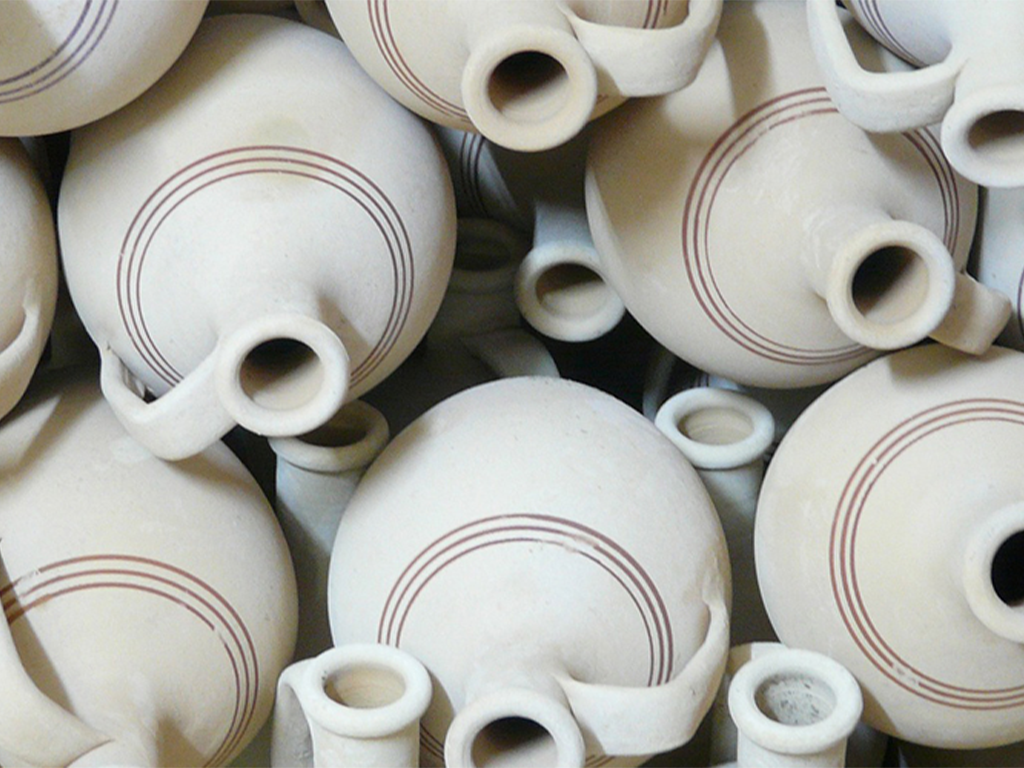
Ceramics are indispensable in our everyday lives. We eat from ceramic plates, drink from ceramic cups, use tiled ceramic bathrooms. But how is ceramic manufactured? The film reveals the secrets of this fascinating material! We get to know more about the beginnings of ceramic in the Old World of Egypt and Mesopotamia, about Greece, China and Rome. We gain interesting insights into the valuable earthenware and are also shown the exquisite further development of the "white gold". Today this versatile material is irreplaceable in industry, too. Whether in space or as an easily compatible substitute in medicine, ceramic is applied in many places.