







 History, Politics / Civics
4669652 / 5560322
Europe
From Ancient Civilisations to the EU
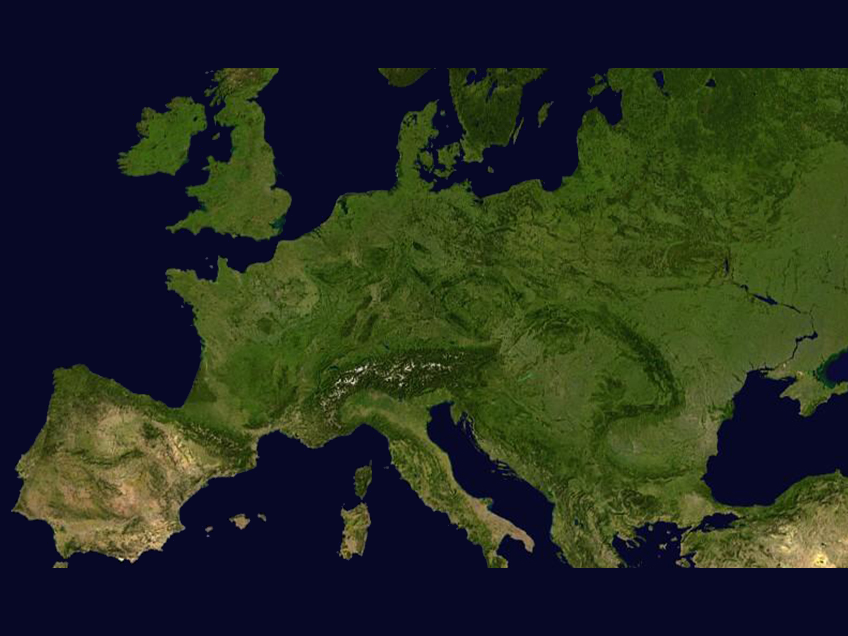
According to many scientists, the beginnings of Europe go back to antiquity, and there specifically to the freedom and democracy of the Greeks. Others consider the foundations laid as late as in the Middle Ages. But the settlement of the area we call Europe today began far earlier. The key periods of our European history are to explain how Europe became what it is today. Biting cold, oppressive heat, devastating drought and extreme climate shifts triggered the extinction of Neanderthal man, whose spread was limited to Europe and the Middle East, as well as the triumph of Homo sapiens, the intelligent human being. According to our current state of knowledge, mankind had its origins in north-eastern Africa. It is assumed that the use of fire as the first step to control of the environment and the development of language led to the gradual spread of mankind from there. Homo sapiens arrived in Europe about 40,000 years ago.
Play trailer
Curriculum-centred and oriented towards educational standards
Matching
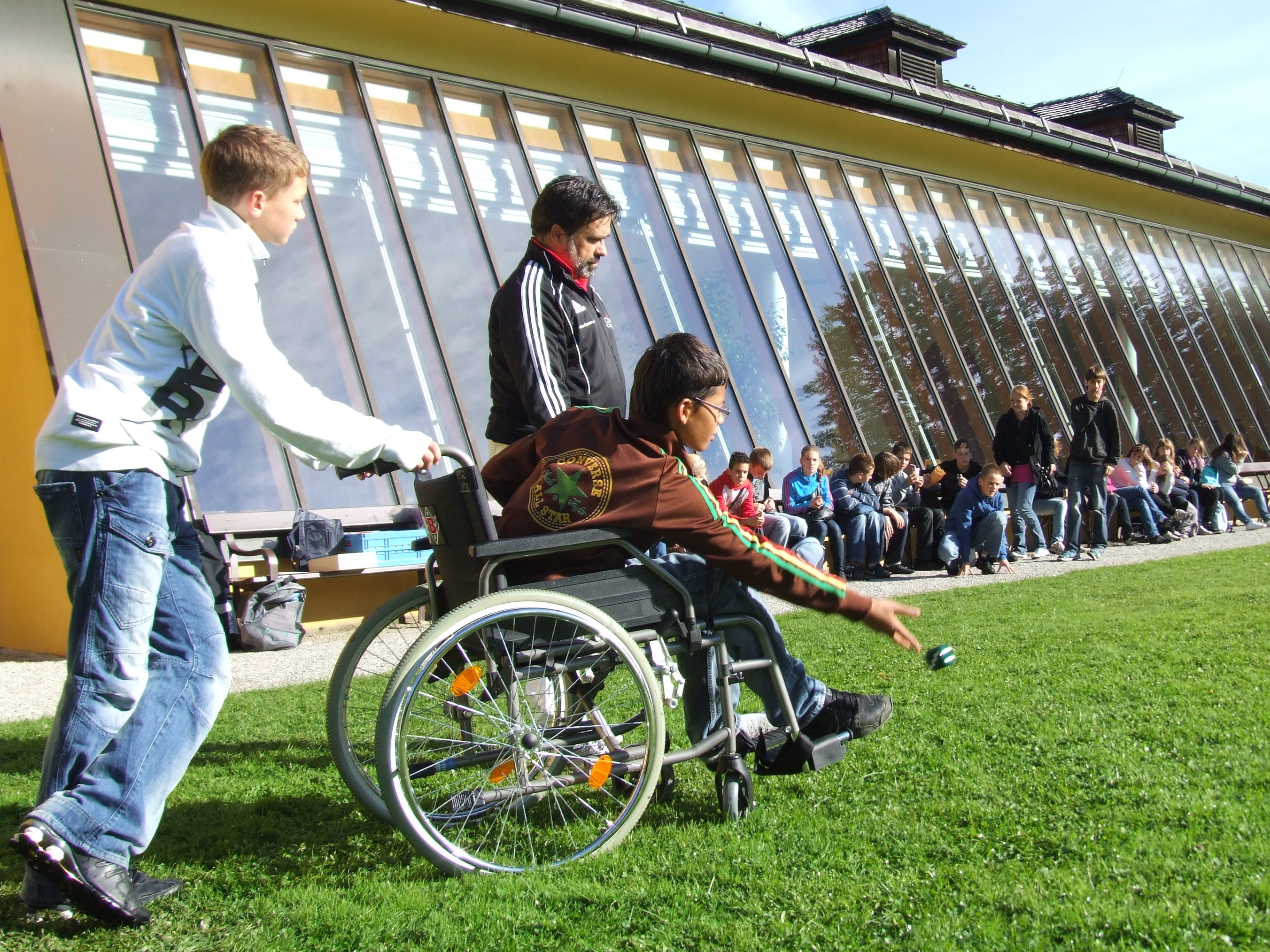
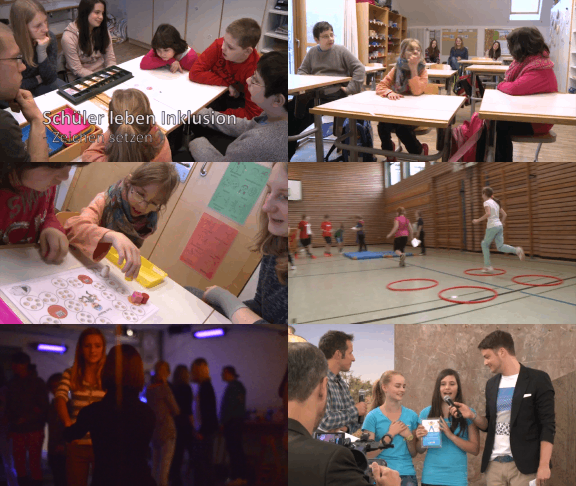
Pupils Practise Inclusion
When people come together, no matter under what concomitant circumstances – ultimately, it is about how these people meet and how openly they interact with one another.
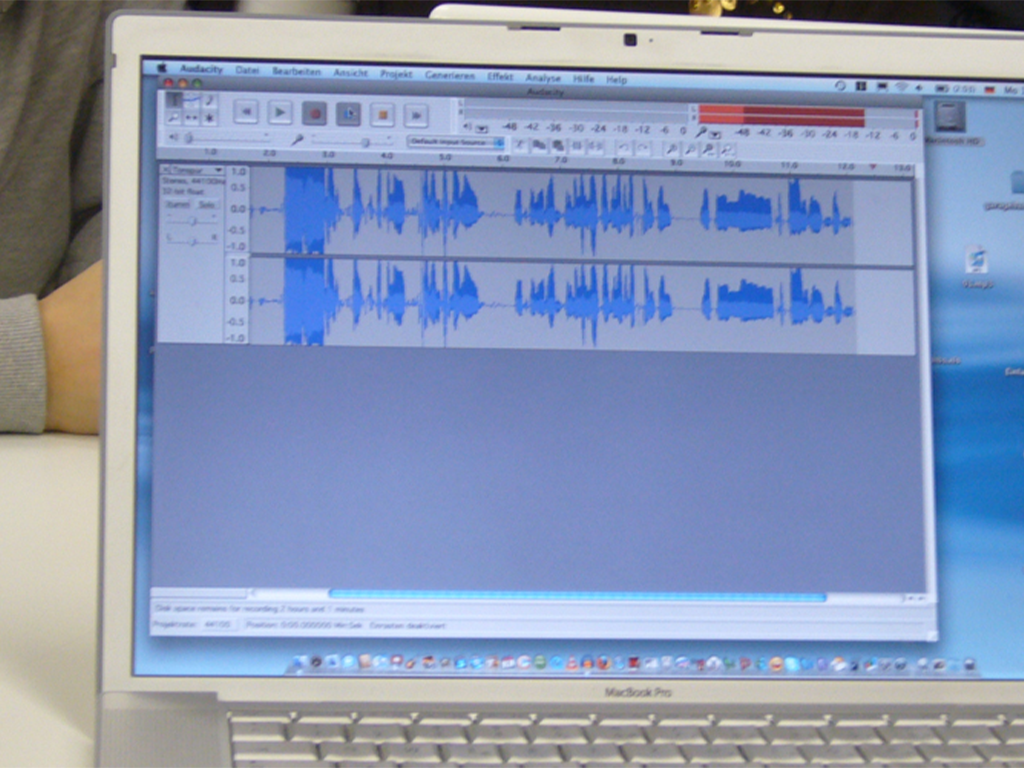
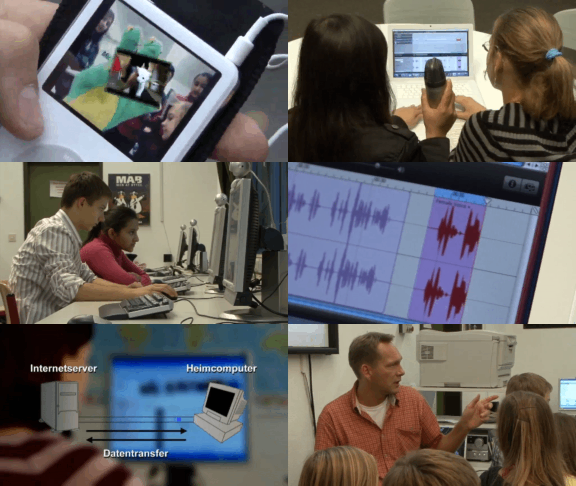
Podcasting
Today, the use of new media has become a matter of course not only in everyday life – schools and teaching, too, benefit from the new technologies and methods, which support active and independent learning. Especially in computer science, ethics and language courses but also in all other subjects, modern media are a valuable pedagogic and didactic asset. This DVD uses the example of podcasts to demonstrate how the possibilities opened up by new media can be applied in the classroom and how the pupils can be taught to handle them in a competent and target-oriented manner. The film is aimed at supporting the use of podcasts at school and encourages making them. This also requires the ability to find information on the Internet and assess it. The film informs on the functionality of podcasts and technical background as well as on the teaching and learning possibilities offered by podcasts – ranging from specific contents to superordinate learning targets such as the advancement of creativity and team spirit. The DVD is a useful support for teachers applying new media and wishing to show their pupils how to handle Running Time: 20:29 ms them in a sensible way.

Racism
Do you perhaps know that?