







 Primary School

46502148 / 55501773
Continents
A Journey around the World
Continents are continuous expanses of land that are clearly separated from each other by oceans. The land masses are divided into seven continents: North America, South America, Africa, Europe, Asia, Australia and Antarctica. These continents are constantly moving. About 260 million years ago, there was a huge continent which united all large plates of the Earth’s crust. On this enormous continent called Pangaea, the time of the dinosaurs started about 230 million years ago. Pangaea began to break up. Two land masses formed called Laurasia in the north and Gondwana in the south. 150 to 70 million years ago, Laurasia and Gondwana broke up further into individual land areas in which today’s continents can already be recognised. Back then, these continents were much closer together. So new oceans formed in the spaces in between them,
Play trailer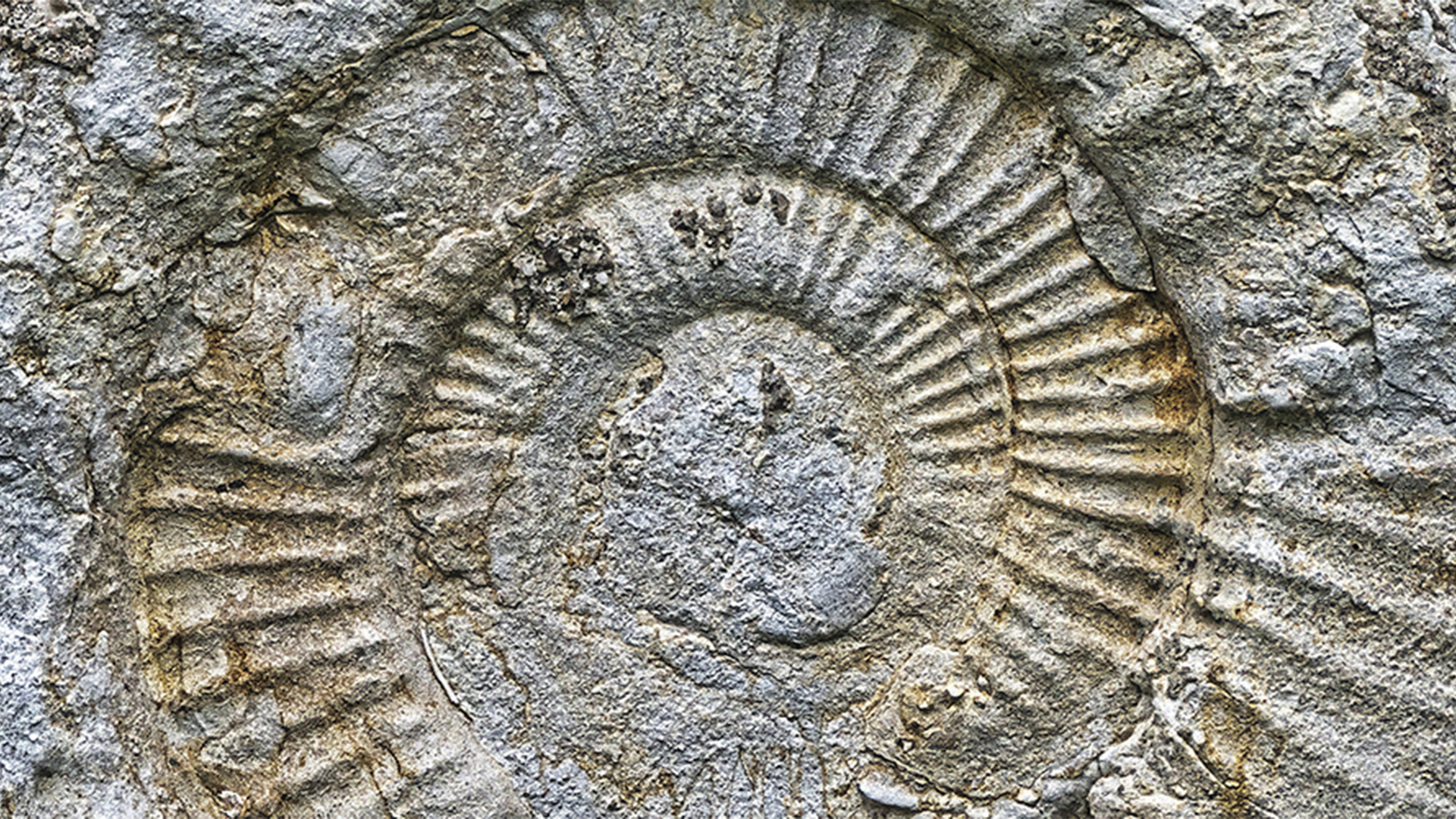
Curriculum-centred and oriented towards educational standards
Matching
Inclusion
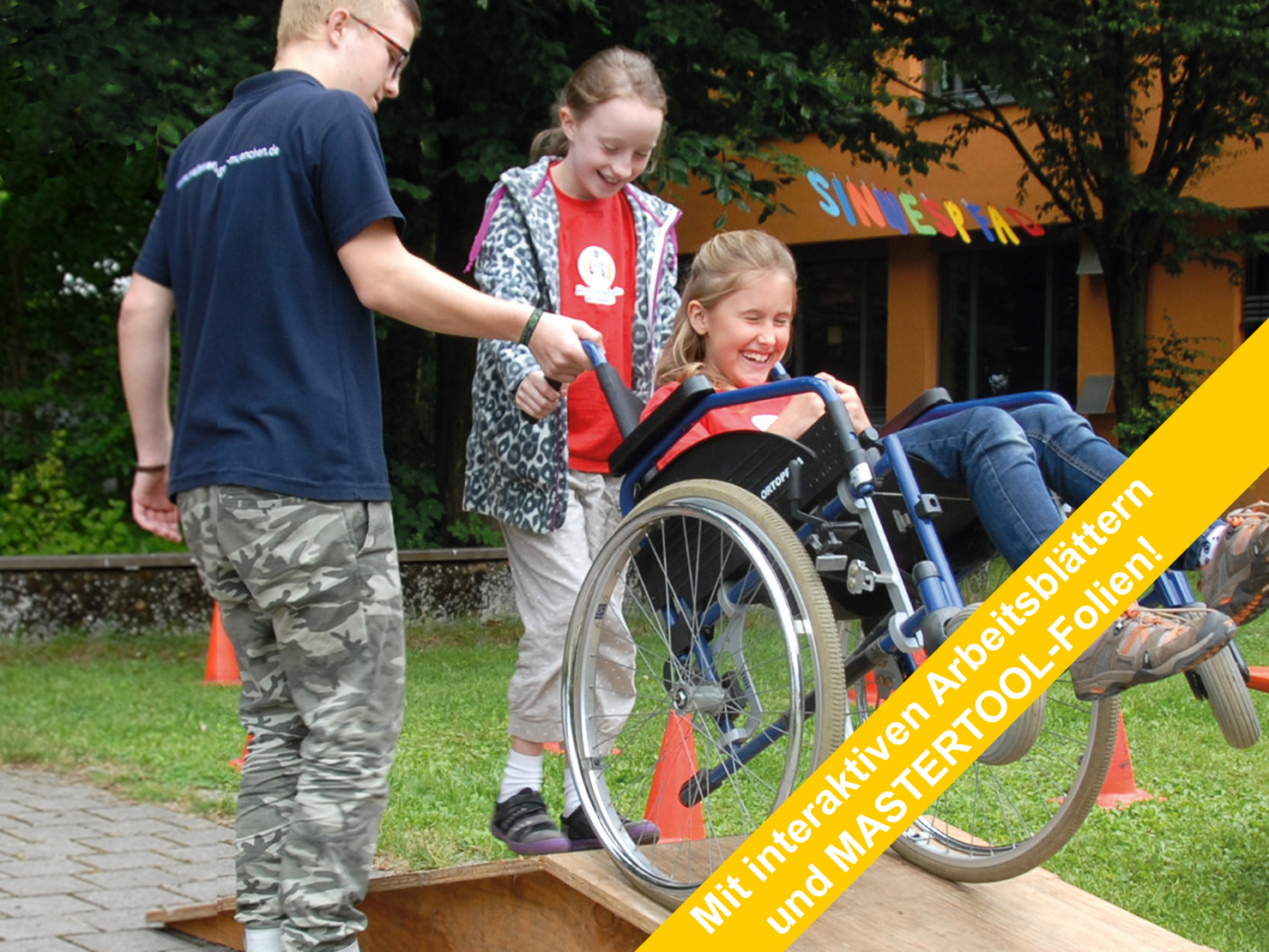
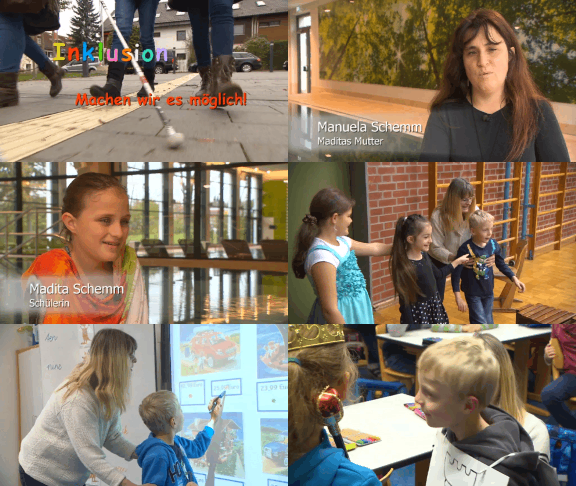
Madita is eleven and blind. She does not want to go to a special school but to a regular grammar school. She says she feels "normal" there. Jonathan is eight and has a walking disability. He likes going to the school where he lives. Here, his best friend sits next to him. Max Dimpflmeier, a teacher who is severely deaf, explains that school life is not easy. Quote Max Dimpflmeier: "You don't want to attract attention, you want to avoid saying that it is necessary for you that 70 people adjust to your situation." People on their way to inclusion.
The Daily Newspaper
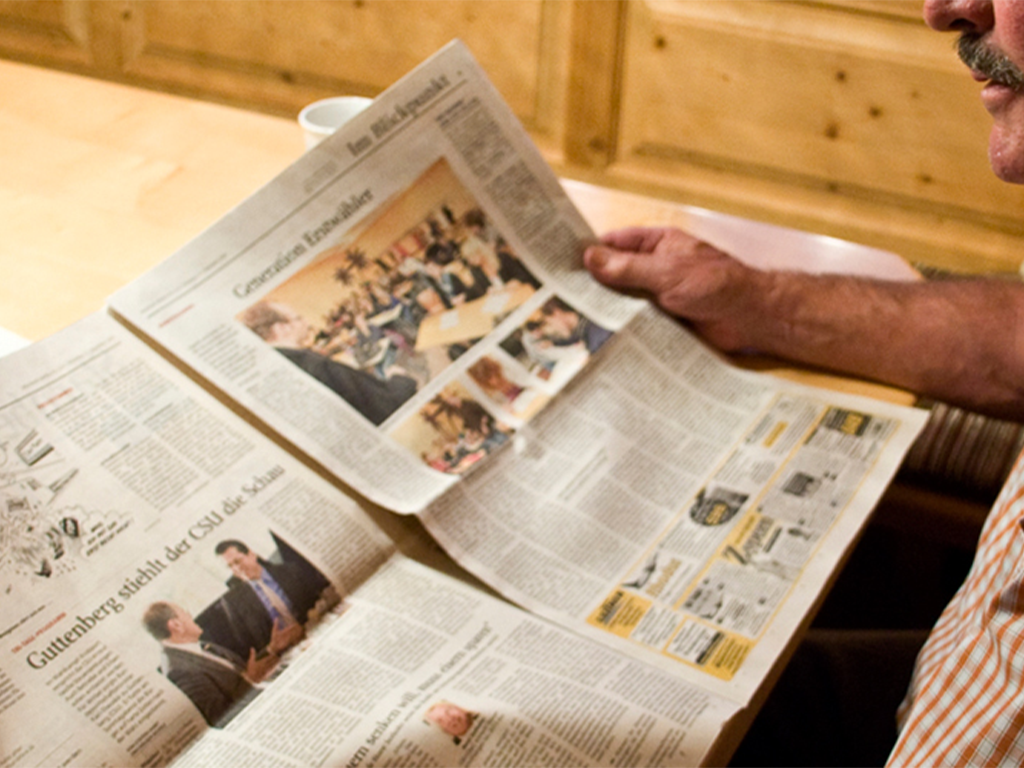
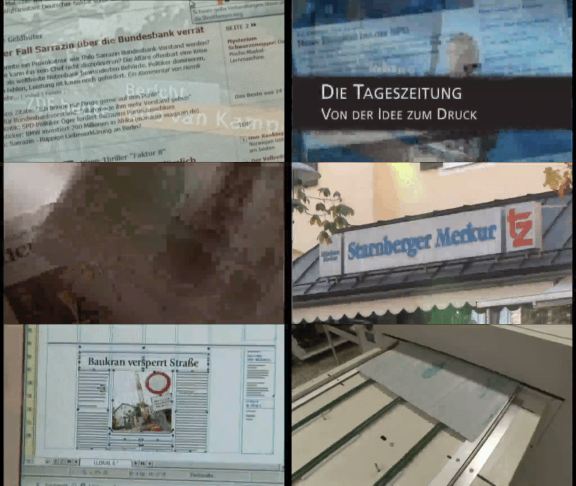
Every day, there is a surge of news reaching us via different news channels. In spite of TV and Internet, the daily paper still is one of the most important main sources of news. But how is a newspaper created? The film shows the production of a paper in the course of one day. Starting with the editorial meeting in the morning, in which the topics and deadlines are determined, the film accompanies a journalist during her research work. You can see how a journalistic interview is conducted and what the photographer must consider when taking a press photo. Back in the editorial office, the editor’s work is illustrated, which includes the page layout and the writing of an online article in today’s time. Impressive pictures from the printing centre depict the process from the digital page to the finished newspaper. Together with the comprehensive accompanying material, the DVD is perfectly suited for use at school

Tolerance
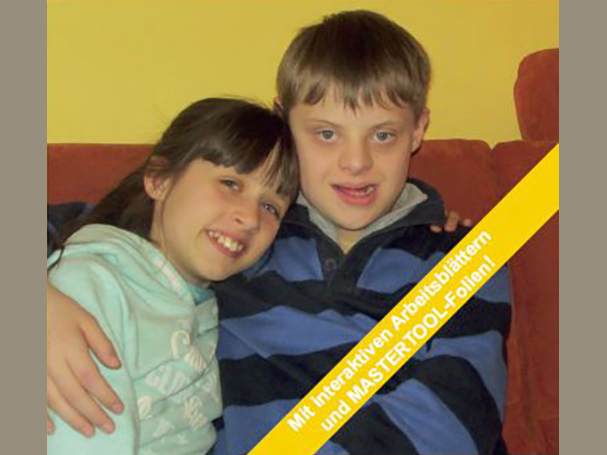
“Tolerance means being generous and kind to other people and helping them, too.”