







 Politics / Civics, Primary School

4669649 / 5560319
Children Have Rights
UN Convention on the Rights of the Child
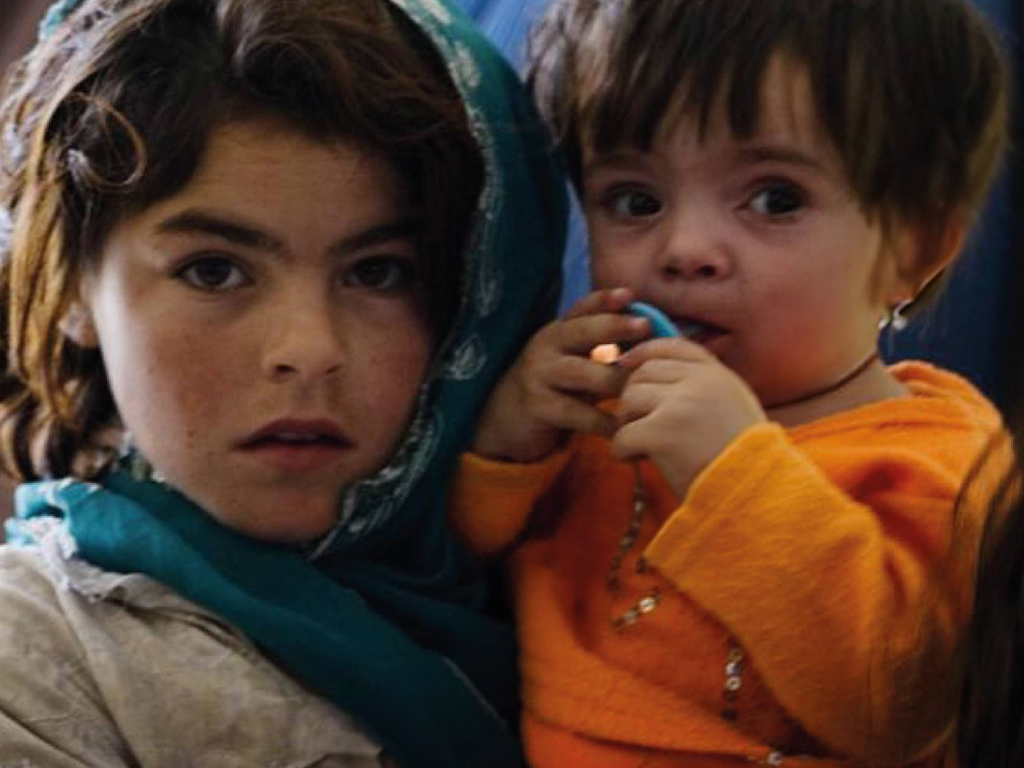
Every human being has rights. Children have children’s rights. Since 1946 the UN – the United Nations – has been working to safeguard these rights. On 20th November 1989 it was adopted: the UN Convention on the Rights of the Child. People in every country, every culture and in all religions work together to implement these children’s rights for all 2.2 billion children of this world: Children’s rights are of prime importance for a world where peace, fairness, security and respect for the environment prevail. We owe our children the very best we can give. Children need special care and protection. A contract is intended to ensure this. Since 1989, in other words for almost 25 years, the UN Convention on the Rights of the Child has existed. In 54 articles it establishes the very specific rights for children. 192 countries of the world have accepted and ratified this agreement. Only two countries have not: the USA and Somalia...
Play trailer
- <> Languages: DE, EN, TR
- <> Target Groups: FÖ, GRU, Sek I
- <> Subject: Politics / Civics, Primary School
- <> Length: 17:24 min
- View in learning platform
Licenses
Curriculum-centred and oriented towards educational standards
Matching
Inclusion
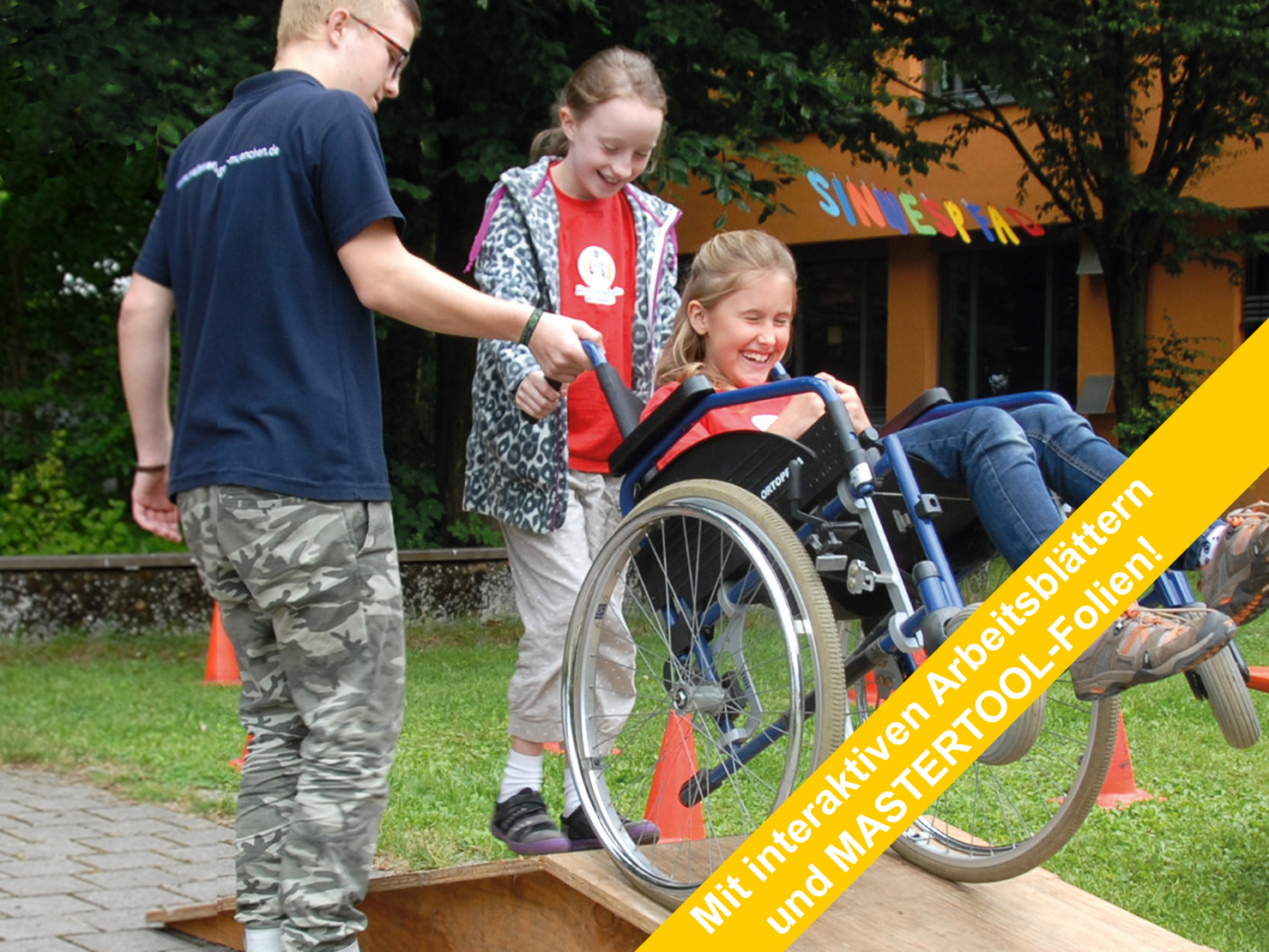
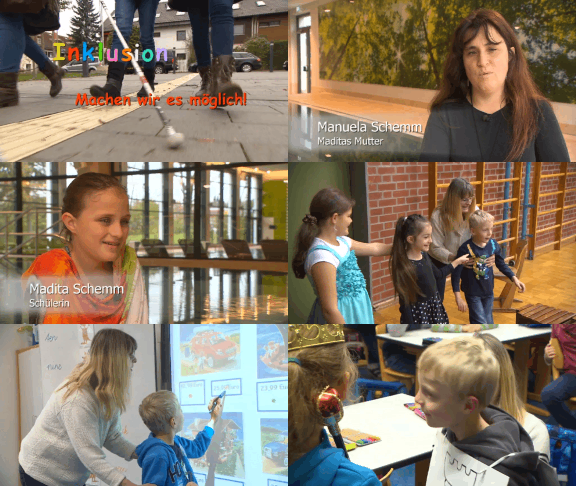
Madita is eleven and blind. She does not want to go to a special school but to a regular grammar school. She says she feels "normal" there. Jonathan is eight and has a walking disability. He likes going to the school where he lives. Here, his best friend sits next to him. Max Dimpflmeier, a teacher who is severely deaf, explains that school life is not easy. Quote Max Dimpflmeier: "You don't want to attract attention, you want to avoid saying that it is necessary for you that 70 people adjust to your situation." People on their way to inclusion.
Peer Mediation
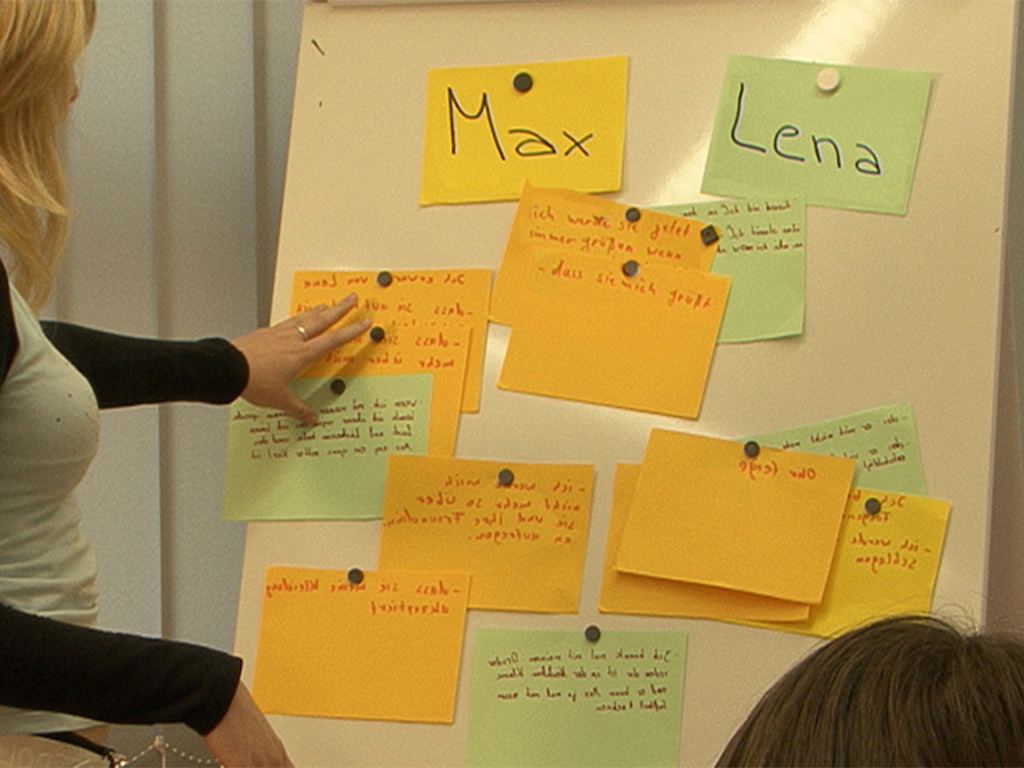
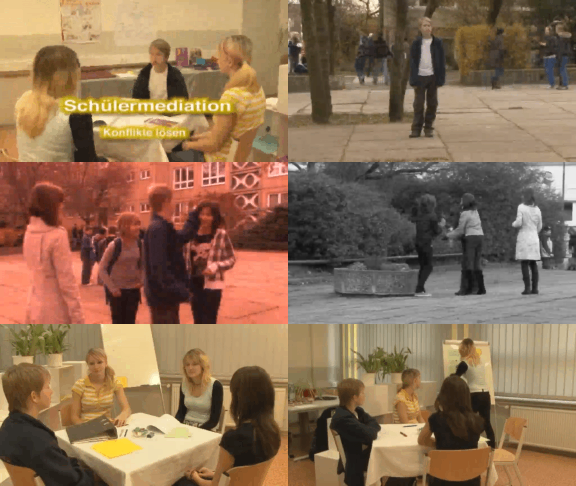
Lena and Max attend the 7th form. Max is new in class. During a break, Max notices that Lena and her friend are laughing at him again. Max loses his temper! He slaps Lena in the face. That hurts and Lena runs back into the classroom with a red cheek. The growing conflict between the two has escalated. Just like Lena and Max, every day pupils all over Germany have rows with each other. At the Heinrich Hertz Gymnasium in Thuringia, pupils have been trained as mediators for years. At set hours, they are in a room made available by the school specifically for mediation purposes. The film describes the growing conflict between Max and Lena and shows a mediation using their example. In doing so, the terms “conflict” and “peer mediation” are explained in a non-technical way. The aims of peer mediation and its progress in five steps as well as the mediators’ tasks are illustrated. The art of asking questions and “mirroring”, which the mediators must know, is described and explained. Together with the comprehensive accompanying material, the DVD is a suitable medium to introduce peer mediation at your school, too.
Tolerance
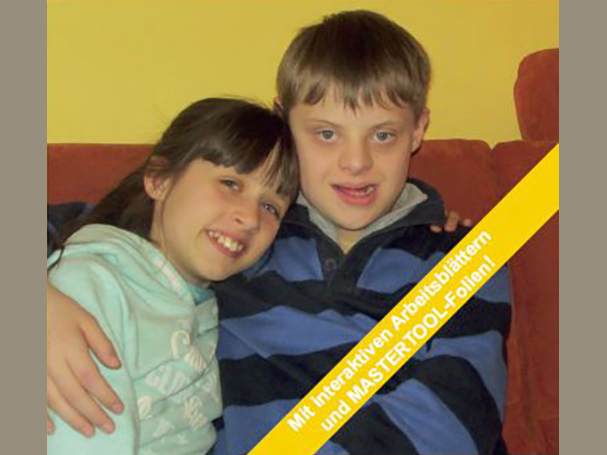
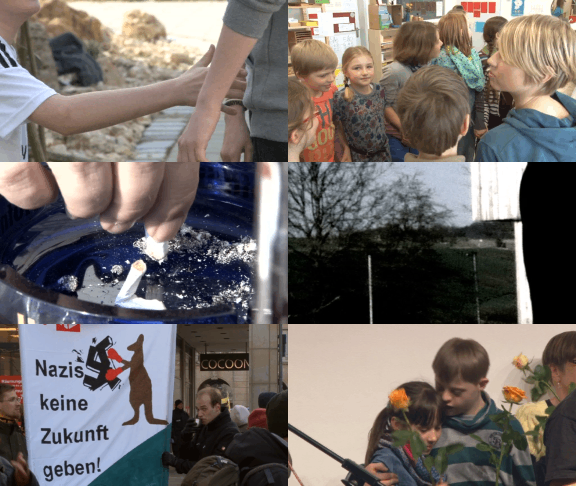
“Tolerance means being generous and kind to other people and helping them, too.”