







 Primary School


4679034 / 5565795
Bridges
Construction, Types, Statics
Bridges are structures designed to overcome obstacles. These obstacles may be of a natural kind, such as rivers or canyons, but also artificially built, for instance motorways or railway lines. Bridges are not only used as ways of transportation but also carry supply facilities, such as water pipes, across terrain surfaces. Bridges not only connect shores but always also people and cultures. Bridges are important for trade, used to be prerequisites for the development of large cities and bear witness to excellent craftsmanship and engineering. Bridges are fascinating structures and have become indispensable and a matter of course for us humans.
Play trailer
- <> Languages: DE, EN
- <> Target Groups: GRU
- <> Subject: Primary School
- <> Length: 14:00 min
- View in learning platform
Licenses

Curriculum-centred and oriented towards educational standards
Matching
Earthquakes
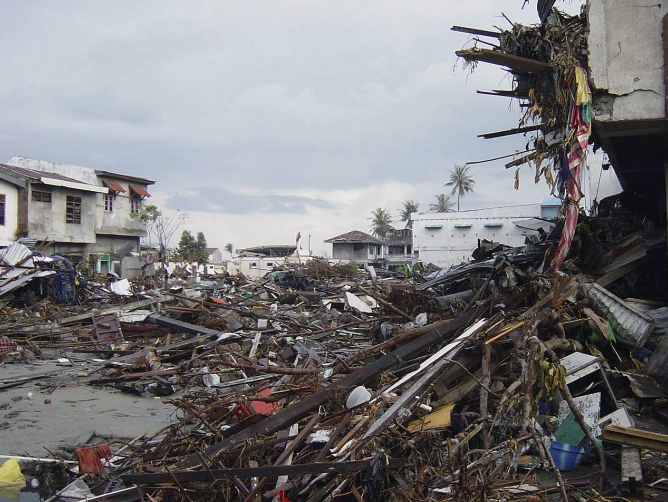
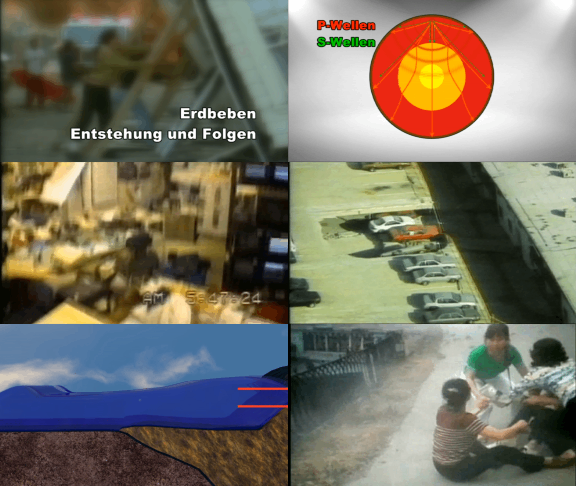
For millennia, people have been afraid of earthquakes. A force of nature that regularly devastates whole regions and claims thousands of lives. One reason for the fear of earthquakes may be that so far people have not succeeded in predicting these natural phenomena. Therefore, earthquakes still hit people unprepared in most regions of the world.


Blogging
The weblog or blog, for short, as a medium is not much older than this century. Blogs came into being in the World Wide Web as ’messages from below’, as web pages from web creators who wanted to share their view of the world with the world. They are short notes, long texts, pictures, videos, which are posted loosely and at random intervals to the world for an undefined public.
Peer Mediation
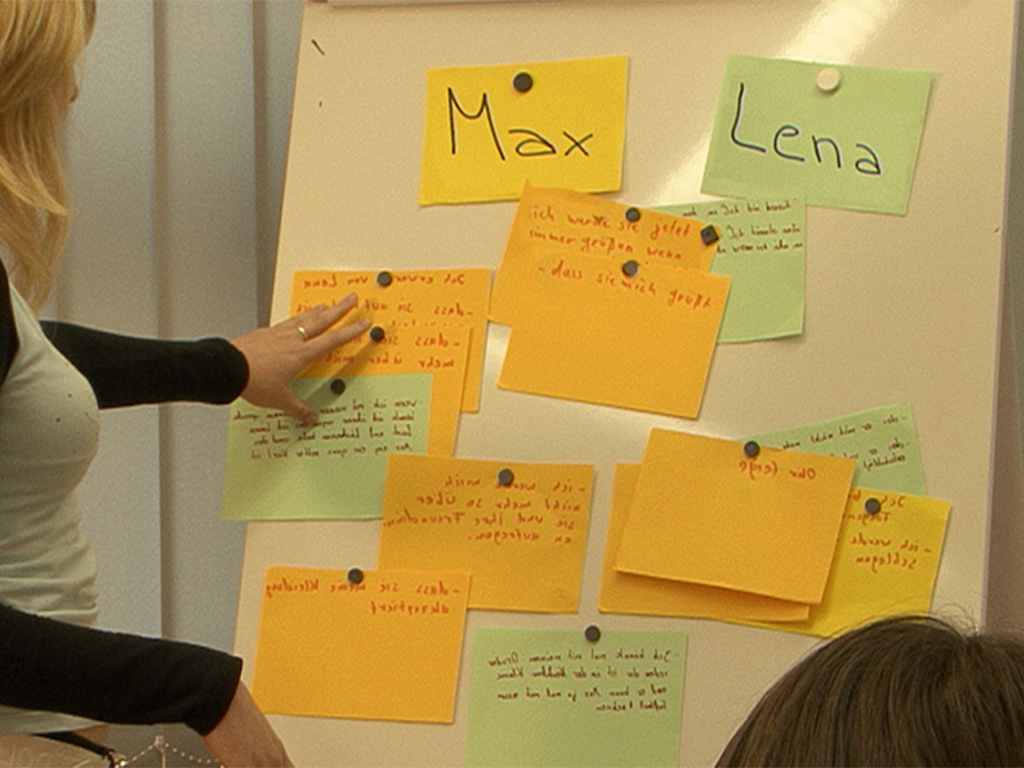
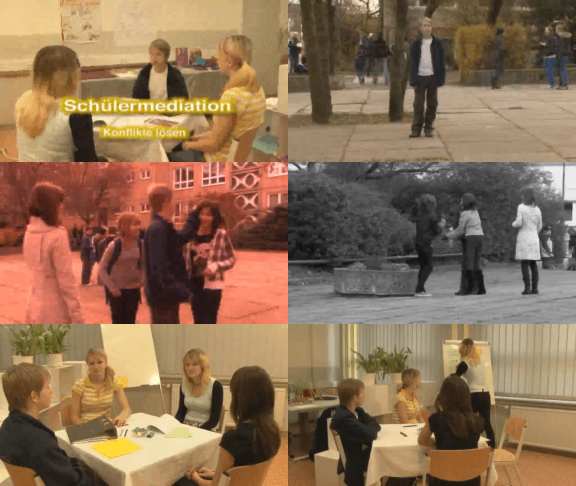
Lena and Max attend the 7th form. Max is new in class. During a break, Max notices that Lena and her friend are laughing at him again. Max loses his temper! He slaps Lena in the face. That hurts and Lena runs back into the classroom with a red cheek. The growing conflict between the two has escalated. Just like Lena and Max, every day pupils all over Germany have rows with each other. At the Heinrich Hertz Gymnasium in Thuringia, pupils have been trained as mediators for years. At set hours, they are in a room made available by the school specifically for mediation purposes. The film describes the growing conflict between Max and Lena and shows a mediation using their example. In doing so, the terms “conflict” and “peer mediation” are explained in a non-technical way. The aims of peer mediation and its progress in five steps as well as the mediators’ tasks are illustrated. The art of asking questions and “mirroring”, which the mediators must know, is described and explained. Together with the comprehensive accompanying material, the DVD is a suitable medium to introduce peer mediation at your school, too.