







55502602
Alkalimetalle
In 11 interaktiven Aufgaben und Videos werden die Eigenschaften und Verwendung von Alkalimetallen vermittelt und anschließend abgefragt.
Das Medium bietet H5P-Aufgaben an, die ohne zusätzliche Software verwendbar sind.
Durch interaktive Aufgabentypen wird das audiovisuelle und interaktive Lernen einfach.
Lernen macht jetzt Spaß!
Included Tasks
- I Alkalimetalle - Video mit interaktiven Aufgaben
- II 1.Hauptgruppe des PSE - interaktive Aufgabe
- III Alkalimetalle - Bildpaare finden
- IV Flammenfärbung der Alkalimetalle - Video mit Aufgaben
- V Physikalische Eigenschaften - interaktive Aufgabe
- VI Verwendung von Alkalimetallen - interaktive Aufgabe
- VII Reaktion von Natrium mit Chlor - interaktive Aufgabe
- VIII Natrium-Kalium-Wissen - interaktive Flashcards
- IX Farbige Silvesterraketen 1 - Lückentext
- X farbige Silvesterraketen 2 - interaktive Aufgabe
- XI Alkalimetalle - Quizfragen
Curriculum-centred and oriented towards educational standards
Matching
Carbohydrates
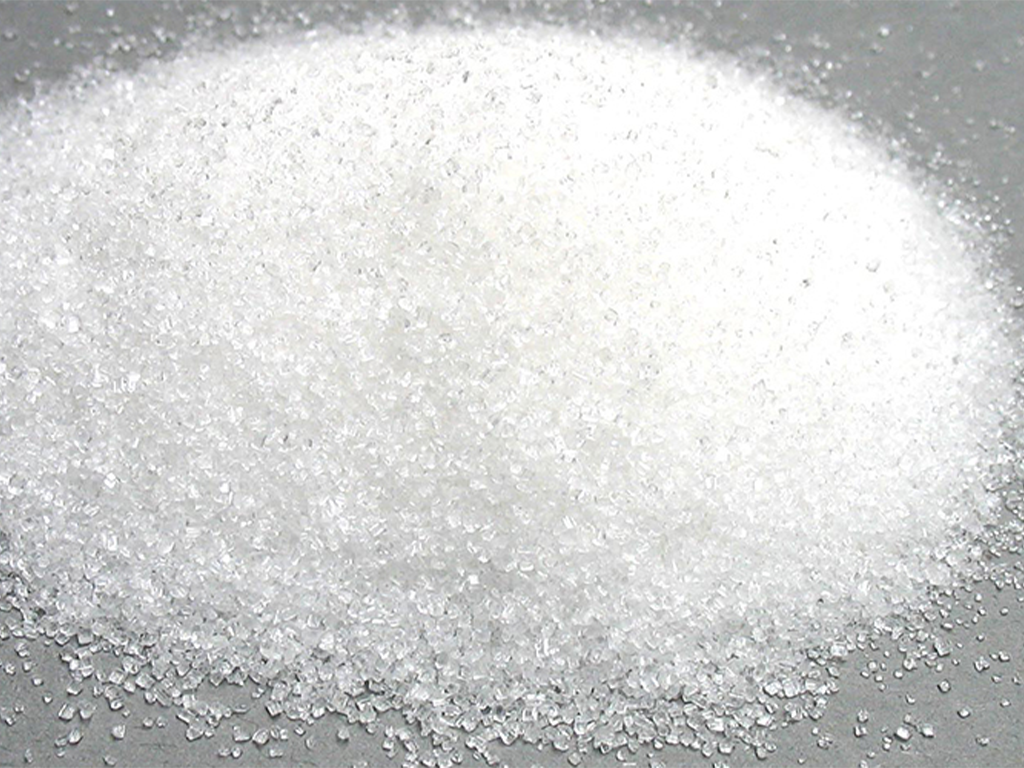
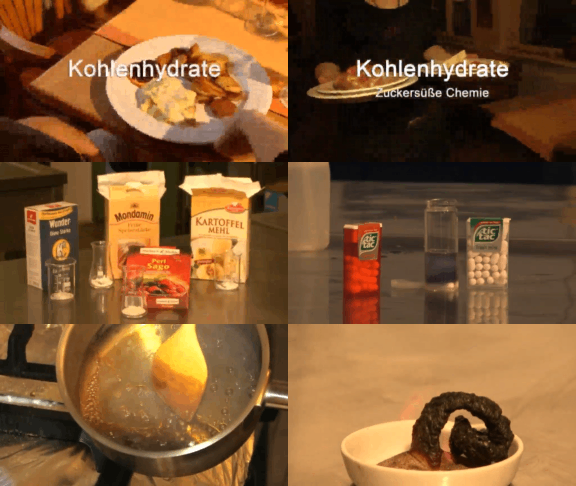
The term carbohydrate or saccharide is a collective name for all substances with the chemical formula Cn(H2O)n. Carbohydrates are the basis of nutrition. They are part of our diet as starch, glucose (grape sugar), fructose (fruit sugar), lactose (milk sugar) and saccharose (beet, cane or table sugar). Important suppliers of carbohydrates are potatoes and cereals such as rice, wheat, maize, millet, rye and oats. The various carbohydrates in our foods are introduced to the pupils. The characteristics of polysaccharides, disaccharides and monosaccharides are explained to them and in which foods these substances occur and how they are structured. In addition, the different origins of starch, starch degradation products, gelling agents as well as sugar alcohols in confectionery are dealt with. The DVD shows how various substances can be detected with the help of chemical processes. Together with the extensive accompanying material the DVD is ideally suited for use in the classroom.
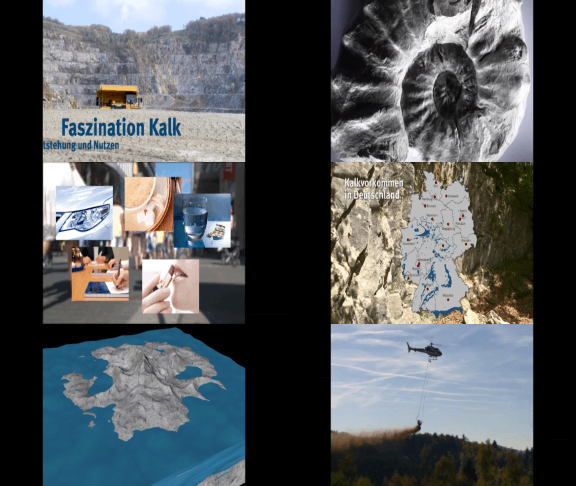
Fascination Lime
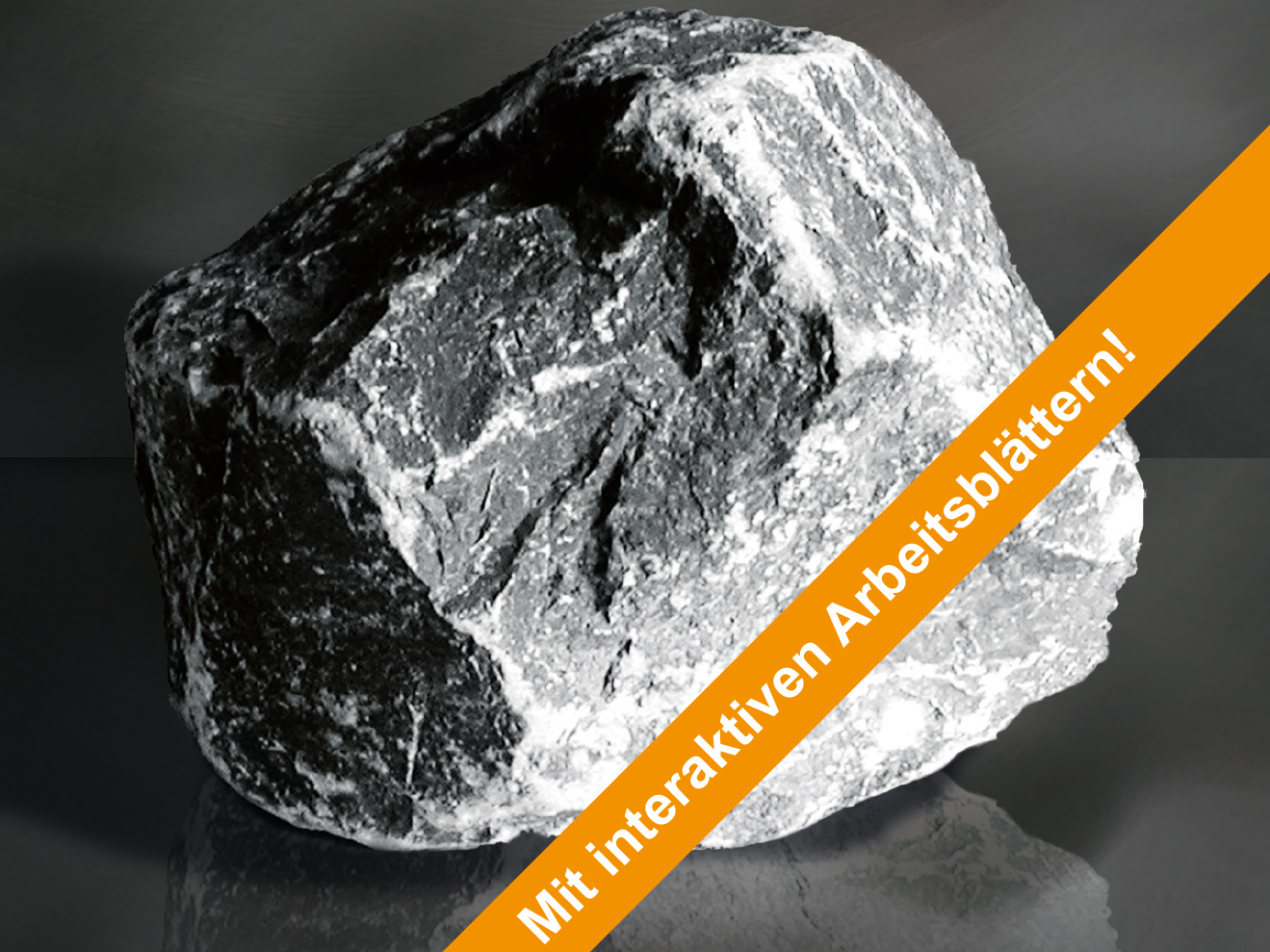
Many products used in everyday life are impossible without lime. These are, among others, glass, sugar, paper as well as pharmaceutical and cosmetic products. The raw material is also indispensable in the construction materials industry. Iron and steel producers need limestone, in environmental protection it is used, for example, for air cleaning and drinking water purification.

Basics of Chemistry I
We are surrounded by objects and substances. We recognise objects that are to serve a specific purpose by their shapes. Similar objects may consist of different materials or substances. Substances, however, are independent of shapes and possess very specific properties. We are able to perceive many of these substances with our senses. For example, we can see, touch or smell them so as to be able to recognise them. Chemists are particularly interested in those substance characteristics that can be measured. On the basis of these measurable properties they can distinguish between substances, identify a specific substance or test it for special use. Models help us to understand phenomena. They depict only specific elements of our reality, thus presenting the world in a simplified way. The spherical particle model, for example, helps us to understand how a scent spreads all over the room or substances disperse in water.