







 Primary School

46500931 / 55500687
Responsible Consumption
Effect of Packaging and Advertising
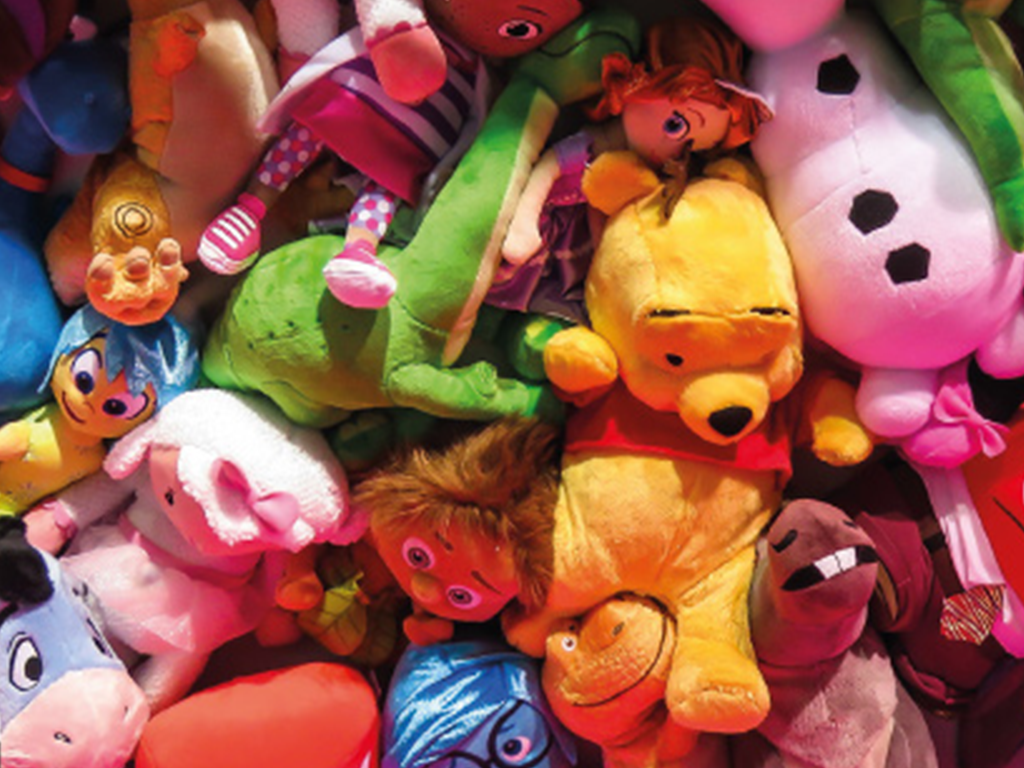
What do “consumption“ and “consume“ actually mean? This is what the child reporter Ferdinand wants to find out today. That much is for sure: often it has something to do with money. Quote Ferdinand, pupil: Hi, I‘m Ferdi. I’ve just got my pocket money for this month. And, well, I’m just fancying biscuits at the moment. Let’s see if I can find something here. Ferdi wants to eat biscuits, sure. But as he cannot bake, he must buy them. On his way to the supermarket he comes across fantastic offers also in other shops. But hadn’t he better save up for some cool glasses? Here comes Axel Dammler. He is a child and youth researcher and knows a thing or two about shopping. He wants to show Ferdi how to behave as a consumer. Axel: Hello, you‘re Ferdi, aren’t you? Ferdi: Yes, I am. Axel: Hi. I‘m Axel. And you want to go shopping now, I’ve heard? Ferdi: Yes, exactly. Axel: Shopping can also be called consuming because … Let’s have a look at what it actually is and how it works. Ferdi: Okay. Axel: Can we go? Ferdi: Yeah. Axel: Well, come along. Responsible consumption – The effect of packaging and advertising Today you are going to learn what that is. How that is possible. And what you should keep in mind about it. Everywhere shops are full of goods and great offers. And we – the customers, are meant to buy or “consume“ as much as possible. The word comes from Latin and means “to use up”. So one who uses up things that he has bought is a consumer. Mostly money is needed for it. Axel Dammler: If we want to learn about consumption we have to try it out for ourselves and, possibly, make mistakes in doing so. That’s why pocket money is so important for children because with their own money children can make their own experiences … According to law, children are even allowed to decide entirely for themselves over their pocket money. That is how it is regulated by paragraph 110 of the Civil Code.
Play trailer
- <> Languages: DE, EN
- <> Target Groups: GRU
- <> Subject: Primary School
- <> Length: 22:57 min
- View in learning platform
Licenses

Curriculum-centred and oriented towards educational standards
Matching

Resuscitation
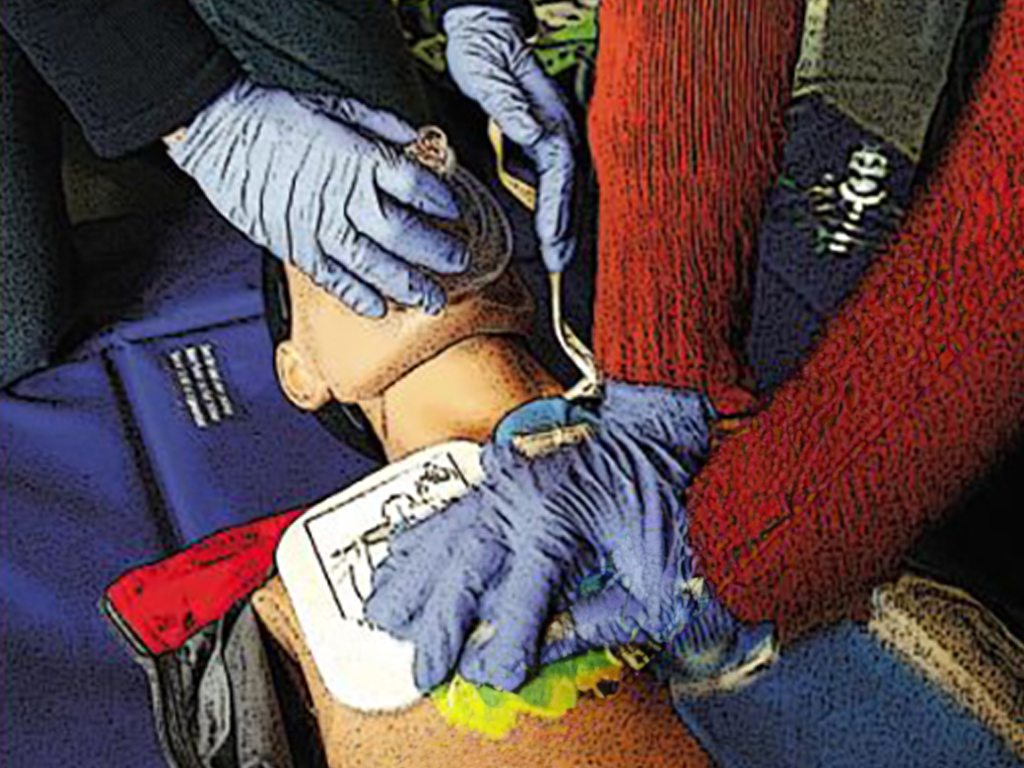
It can happen to anyone – of any age, in any place, at any time. Sudden cardiac arrest may quickly prove fatal. Immediate action is called for! Just remember: Check Call Press Anyone can do it. You can't do anything wrong!
Pupils Practise Inclusion
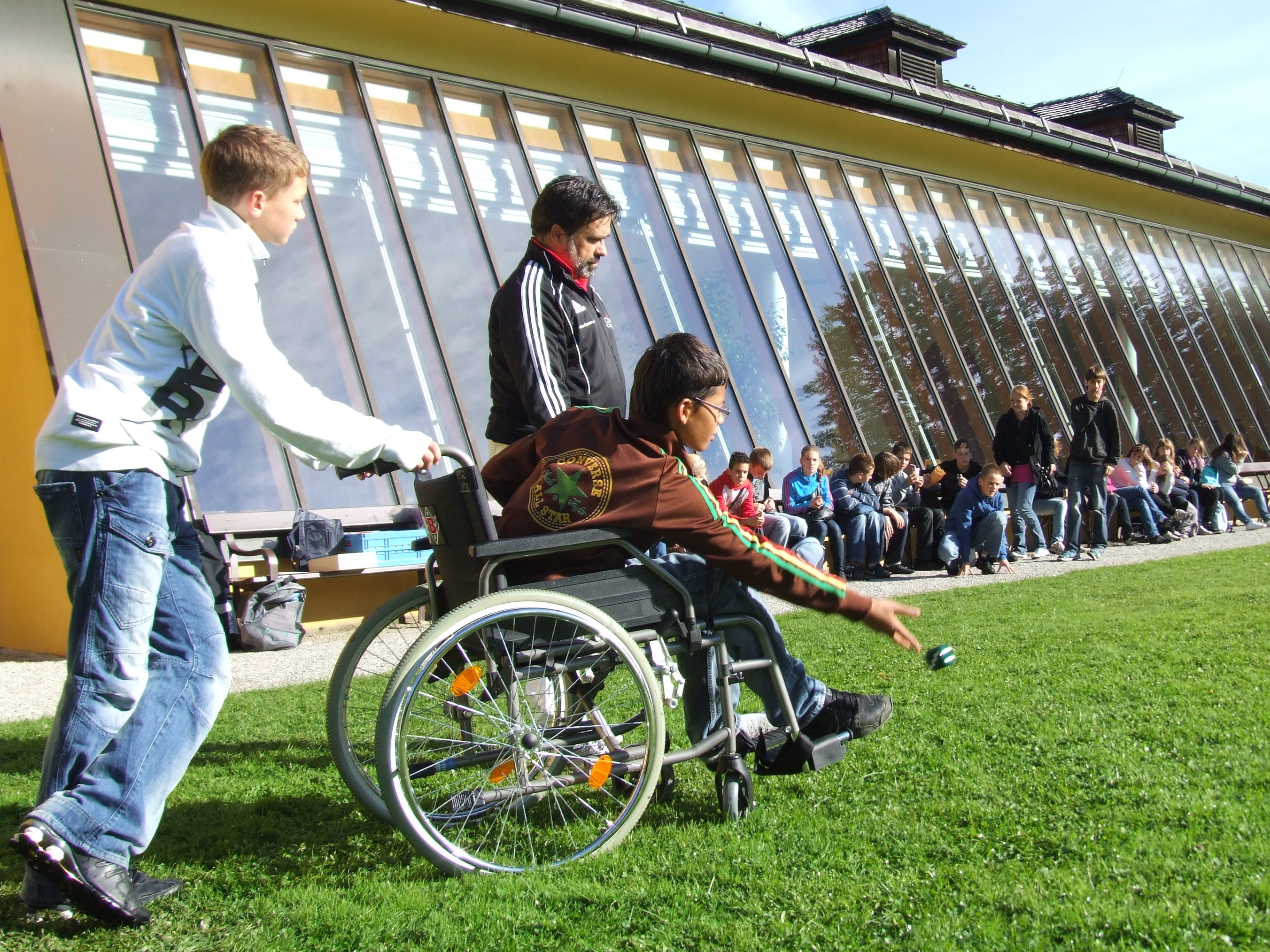
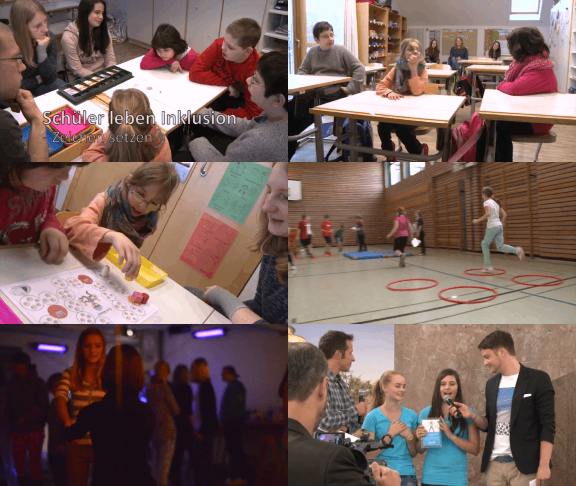
When people come together, no matter under what concomitant circumstances – ultimately, it is about how these people meet and how openly they interact with one another.


Internet Addiction
The film consists of two parts. The first part is the 15-minute short film “In the Net”. It describes the problem of excessive Internet use in a humorous way, in particular the risk of losing touch with reality when chatting. The second part illustrates with three real persons how Internet addiction can develop and the problems encountered by those who are afflicted. The authentic statements are commented by an experienced therapist. For many pupils, the issues addressed here are related to their everyday lives. What is a “sensible” use of the Internet, where does pathological addiction start? In contrast to addiction to alcohol, nicotine or drugs, the public seems to be largely ignorant of the problem of this addiction, which is not related to any substance abuse. The film provides material for discussion in the classroom (crossdisciplinary) and can be used as a basis for the formulation of prevention strategies.