







 Gesellschaft
4670851 / 5560957
Multi-Kulti
Andere Kulturen in Deutschland
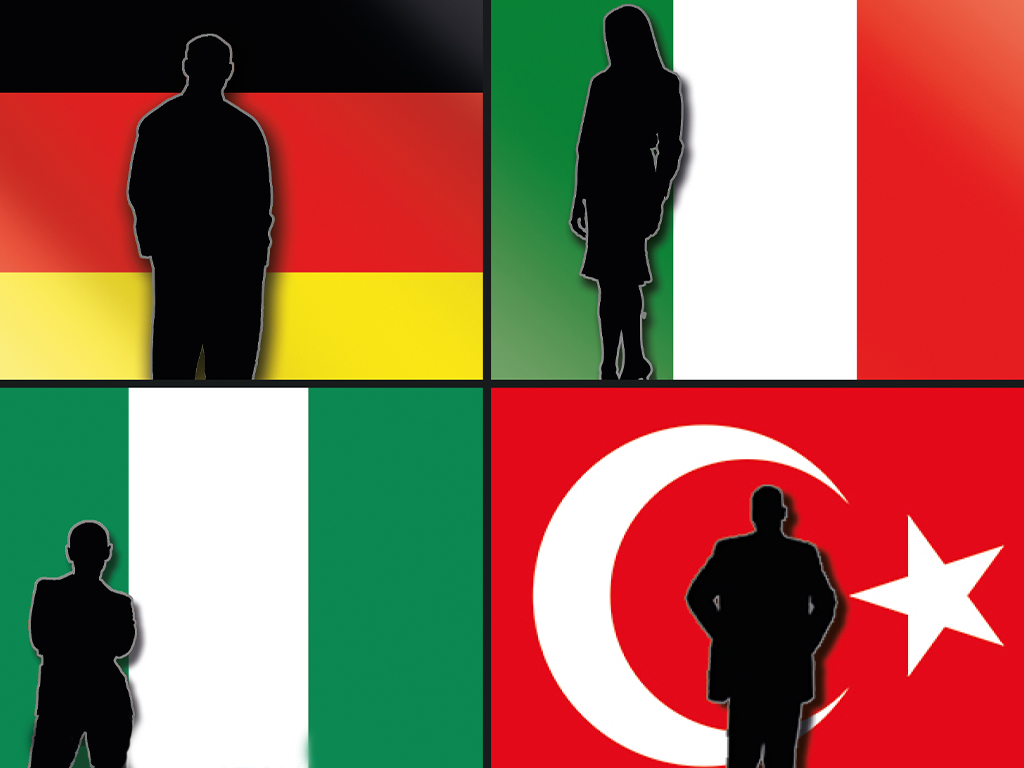
In Deutschland leben über sieben Millionen Ausländer: so eine Erhebung des Statistischen Bundesamtes aus dem Jahr 2006. Besonders Türken, aber auch Italiener und Polen zieht es in deutsche Lande. Bei so vielen verschiedenen Kulturen gibt es auch einiges zu entdecken. Wie feiern Türken Hochzeit? Was kochen Nigerianer am liebsten? Und wie sehen ausländische Mitbürger eigentlich die Deutschen? „Schau Dich schlau!“ zeigt, wie multi-kulturell und bunt es in Deutschland zugeht und räumt mit hartnäckigen Vorurteilen auf. Besonders bei feierlichen Anlässen wird deutlich, wie unterschiedlich die Kulturen sind. Nicht überall zählen Sahnetorten zu den Highlights auf Hochzeiten und Geburtstagen. Moderator Fero Andersen ist Gast bei einer türkischen Hochzeit mit über 1000 Gästen, bei der sich fast alles um das liebe Geld dreht. Auch Fero muss tief in die Tasche greifen. Moderatorin Joey Grit Winkler taucht für einen Tag in das Leben einer afrikanischen Familie aus Nigeria ein. Mit ihrer Gastfamilie kocht sie exotisches Essen für einen nigerianischen Gottesdienst. Außerdem lernt sie die Tracht des Landes kennen und darf sich selbst mal in die Kleider samt Turban hüllen. Joey erlebt hautnah was es bedeutet, als Ausländer mit seiner eigenen Kultur in Deutschland zu leben. Problematisch kann für viele ausländische Mitbürger der Besuch auf dem Amt werden, denn sie sehen sich bei Behördengängen oft mit den abstrusesten Ausdrücken für ganz gewöhnliche Gegenstände konfrontiert. Selbst Deutsche können mit „nicht lebender Einfriedung“ als Beschreibung für einen handelsüblichen Zaun herzlich wenig anfangen. „Schau dich schlau!“ stellt die extremsten Fälle von Beamtendeutsch dar. Zusammen mit dem umfangreichen Begleitmaterial eignet sich die DVD bestens für den Einsatz im Unterricht.
Trailer abspielen
Lehrplanzentral und an den Bildungsstandards orientiert
Passend dazu


Häusliche Gewalt
Häusliche Gewalt ist ein verborgenes Problem mit einer erschreckend hohen Dunkelziffer.

Rassismus
Von Rassismus spricht man, wenn Menschen wegen äußerer Merkmale wie ihrer Hautfarbe, aber auch ihrer Herkunft oder Religion, als Gruppe bestimmte, meist negative Eigenschaften zugeschrieben werden.