







 Economy

46500904 / 55500660
World Trade
Conditions, Opportunities, Conflicts
Many of the goods we use every day come from foreign countries and have to be imported into Germany. Without a functioning world trade our range of products would be very limited. Often goods are transported over long distances from A to B before we can use them. Quote Prof. Dr. Gabriel Felbermayr, ifo Institute: “Basically, countries can trade in all kinds of goods. These are mostly physical commodities, corn, steel or cars, but also services can be traded. From Germany you can import a banking service, City of London for example, or insurance services, or stream a Hollywood film on your computer or laptop. But there are a lot of goods that are non-tradable, for example houses.“ Due to increasing globalisation, that is the networking and development in all sectors worldwide, a smooth exchange of goods and services is very important for a functioning economy. Quote Prof. Dr. Gabriel Felbermayr, ifo Institute: “I think we must assume that most countries in the world have different strengths and weaknesses. Germany is good at making cars but we are less good at developing software. It makes sense, therefore, that we specialise in what we can do well, e.g. cars, and leave those things we cannot do so well, such as programming software, to others, for example to the Americans. And then we exchange these commodities. And as we are good at producing cars we are supplied with quite a lot of software by the USA. By specialising on what they can do well, they can consume more goods all in all. That’s the advantage of trade.“
Play trailer
Curriculum-centred and oriented towards educational standards
Matching


Internet Addiction
The film consists of two parts. The first part is the 15-minute short film “In the Net”. It describes the problem of excessive Internet use in a humorous way, in particular the risk of losing touch with reality when chatting. The second part illustrates with three real persons how Internet addiction can develop and the problems encountered by those who are afflicted. The authentic statements are commented by an experienced therapist. For many pupils, the issues addressed here are related to their everyday lives. What is a “sensible” use of the Internet, where does pathological addiction start? In contrast to addiction to alcohol, nicotine or drugs, the public seems to be largely ignorant of the problem of this addiction, which is not related to any substance abuse. The film provides material for discussion in the classroom (crossdisciplinary) and can be used as a basis for the formulation of prevention strategies.
Stalking
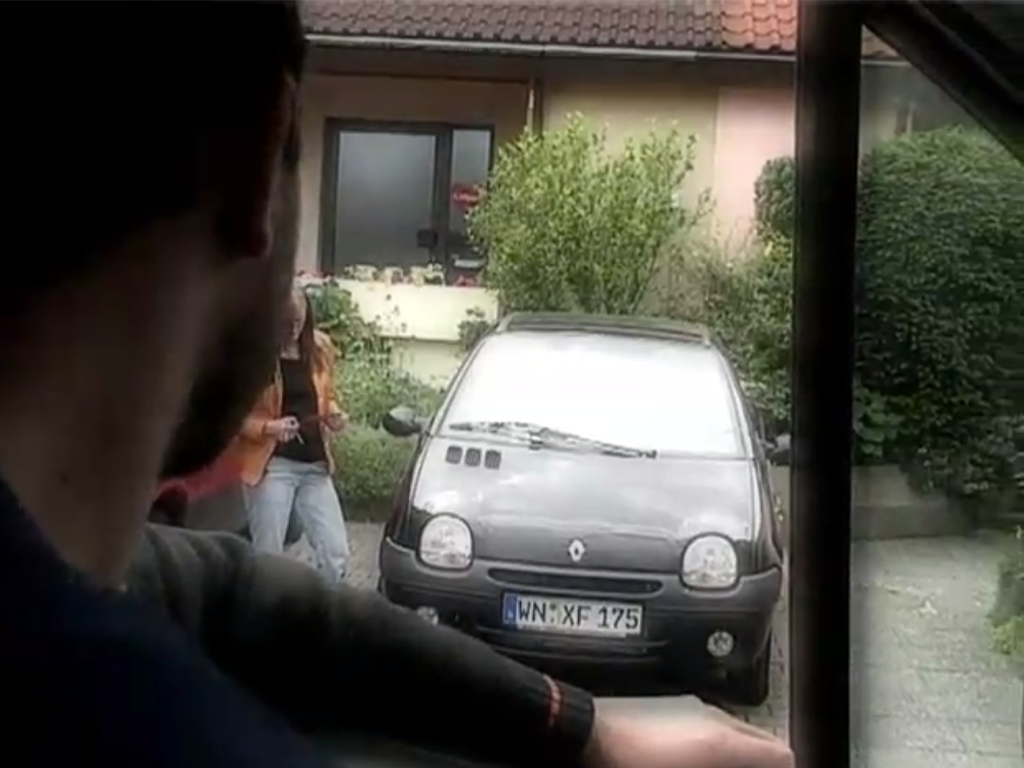
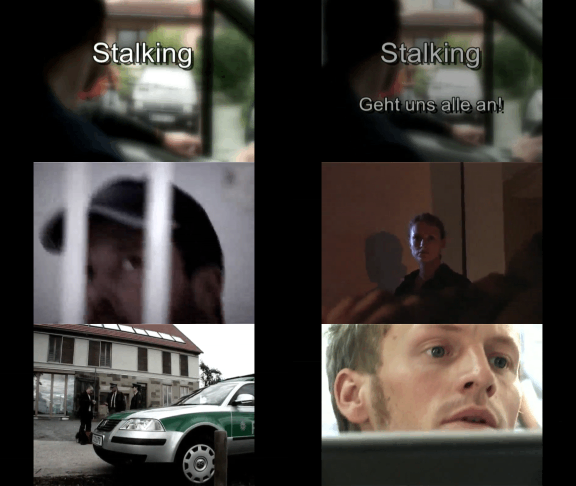
n Germany, 12 % of all federal citizens are pursued by a stalker once in their lives. And not only celebrities are among their victims! Everyone may be confronted with such a situation.

Racism
Do you perhaps know that?