







 History
4656546 / 5551272
Ways to Democracy
From the 19th Century to the Present
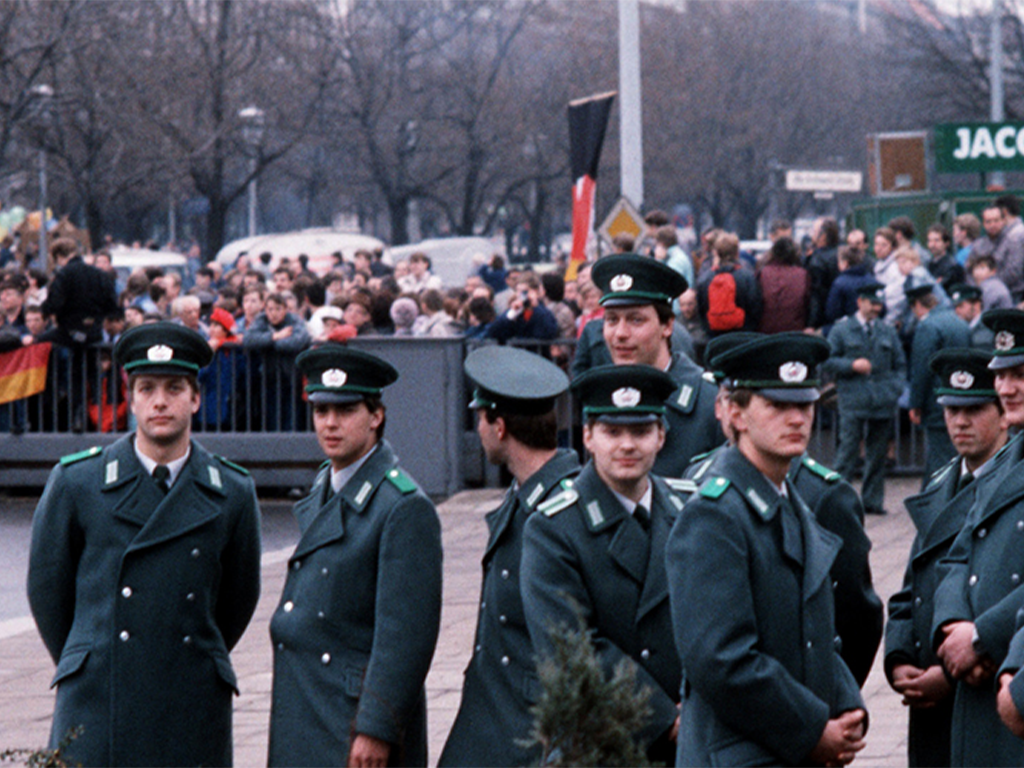
This film shows the most important stages on the way to the development of democracy in Germany. It begins with the foundation (1792) and quick end (1793) of the Republic of Mainz in the course of the French Revolution, gives an account of the Hambacher Fest in the pre-March era and the failed revolution of 1848/49, contemplates the democratic development in the German empire and the late realisation of the first German democratic national state in the Republic of Weimar. Other important steps are the erosion of the Weimar constitution after 1933, Germany’s transformation into the national socialist dictatorship and World War II as well as the formation of different democratic models in West Germany and East Germany after 1945. Finally, it is described where the rules of democracy can be explained and practiced today and what current dangers there are to the democratic system of government. The aim is to make pupils aware of the fact that democracy must not be taken for granted – it is a historical legacy that we always have to safeguard.
Play trailer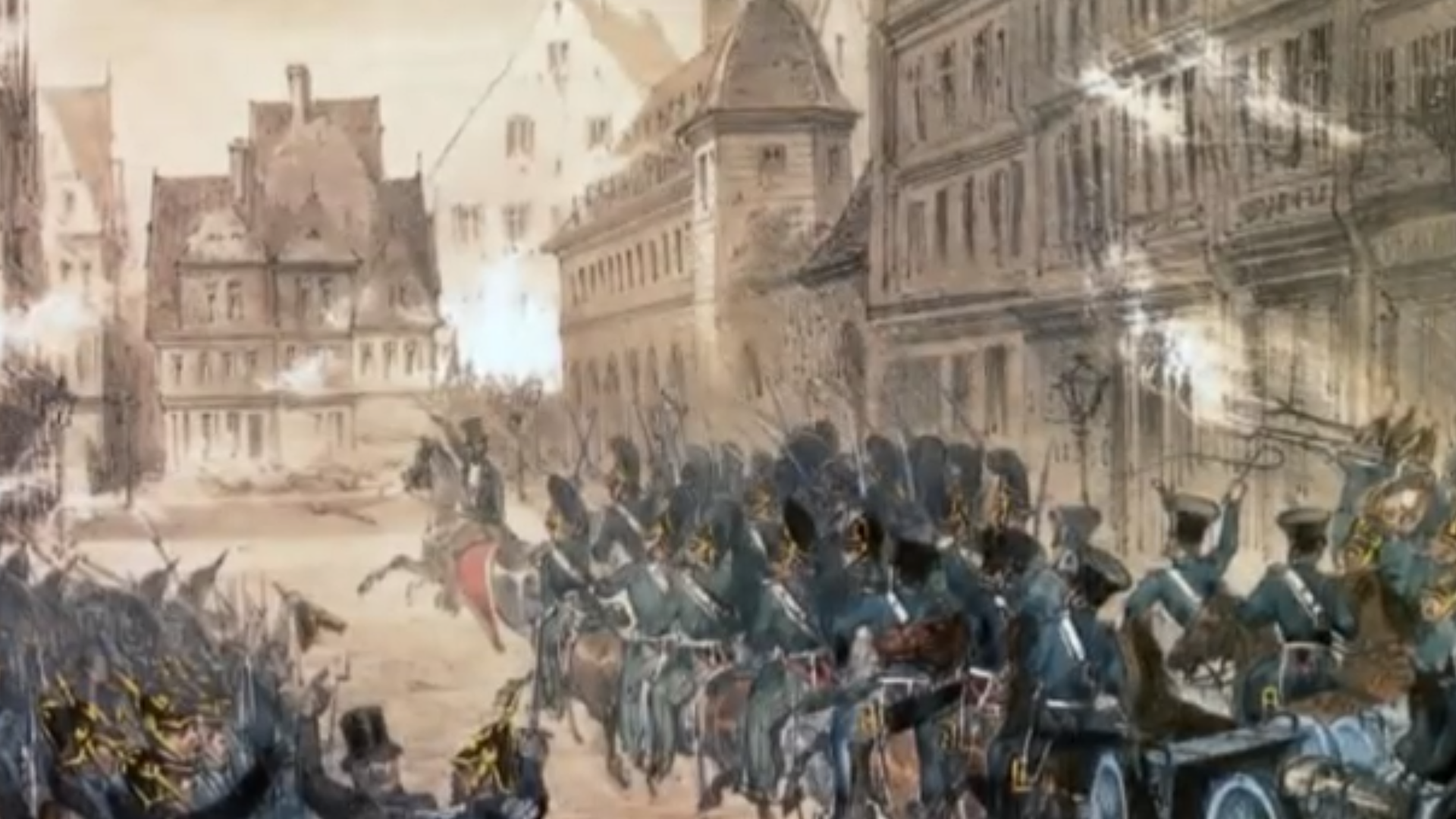
Curriculum-centred and oriented towards educational standards
Matching
Demokratie leben
In unserem Arbeitsheft Demokratie leben - Politik 10, Vol. 2 finden Sie 50 interaktive und didaktisch aufbereitete Aufgaben.


Mobile Learning II
Oh, what’s that? Original soundtrack Thissen: “As our children grow up in a media world and naturally handle the media, they should also be a topic in school.“ An older child says the point is that they don’t just load down apps but create things themselves that haven’t existed so far. Hi, I’m Jana. A propeller hat. I’ll put it on. Now I’m no longer a simple rhino, but a flying rhino. Original soundtrack Thissen: “It’s exactly the great flexibility of tablets that promotes very personalised and adapted learning.” Original soundtrack Welzel: “It’s fascinating to see how the children grow with their products and how they always want to improve them.” The Westminster Abbey is a church in London for the royal family. Original soundtrack Welzel: “And?“ They think it is ok.

Blogging
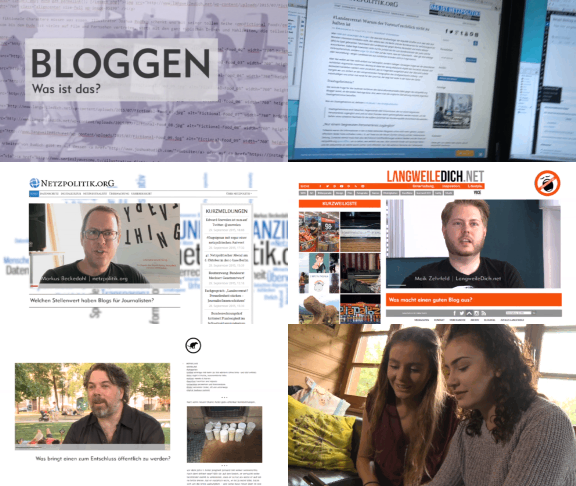
The weblog or blog, for short, as a medium is not much older than this century. Blogs came into being in the World Wide Web as ’messages from below’, as web pages from web creators who wanted to share their view of the world with the world. They are short notes, long texts, pictures, videos, which are posted loosely and at random intervals to the world for an undefined public.