







 Society
4668259 / 5559750
Typisch Deutsch
Nur Vorurteile?
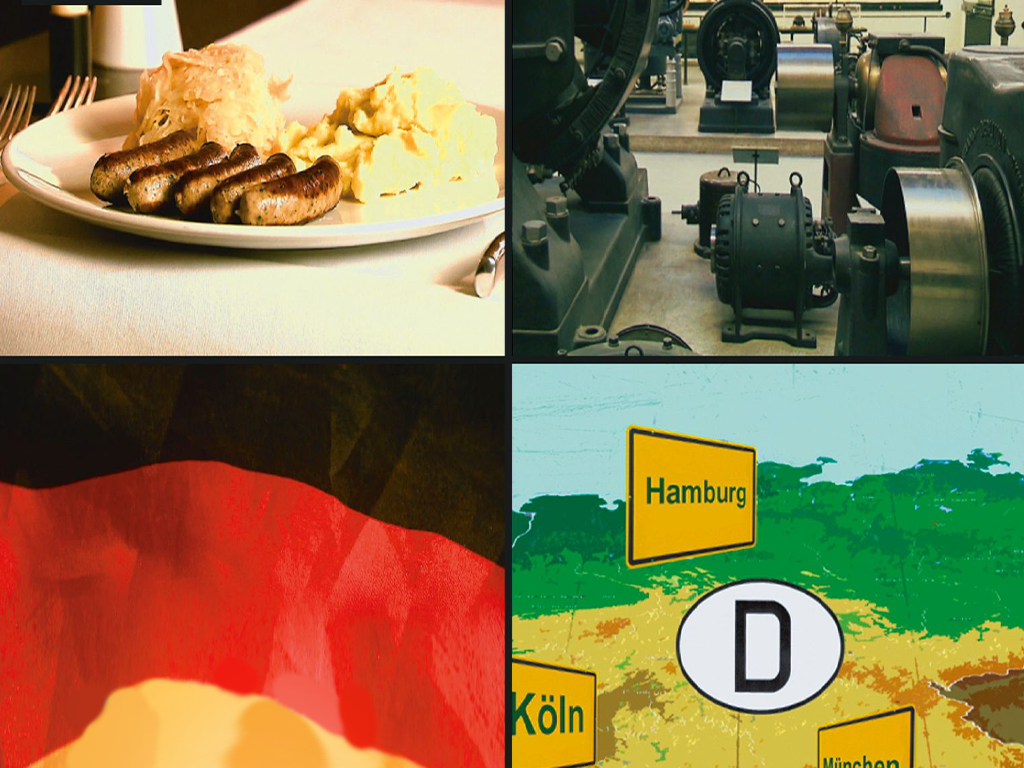
In Deutschland leben etwa 80 Millionen Einwohner, die Nationalflagge hat die Farben Schwarz-Rot-Gold, die Bundeshauptstadt ist Berlin. Soviel weiß eigentlich noch jeder, der in Deutschland lebt. Aber es gibt noch einiges mehr, was man über Deutschland wissen sollte. Schon bei der Frage nach der Anzahl der Bundesländer, der Nachbarstaaten oder dem längsten Fluss Deutschlands geraten einige ins Stocken. "Schau dich schlau!" möchte mit dieser Sendung Deutschland den Deutschen ein Stückchen näher bringen und ihnen helfen, ihr Land besser kennen zu lernen. Joey Grit Winkler und Fero Andersen unterziehen sich daher erst einmal dem "Schau dich schlau!"-Einbürgerungstest. Am Ende der Sendung erfährt der Zuschauer unter anderem, wer sich in den Kategorien "deutsche Erfinder" und "deutsche Geschichte" besser auskennt. Während Joey und Fero die zum Teil kniffligen Fragen beantworten, erfährt der Zuschauer auch, warum eines der deutschen Nationalgerichte "Sauerkraut mit Bratwurst" ist und wie es hergestellt wird. Fleiß, Pünktlichkeit und Ordnungssinn – das sind nur einige der "typisch deutschen" Tugenden. "Schau dich schlau!" erklärt humorvoll, warum sie den Deutschen zugeschrieben werden, und prüft, ob das tatsächlich so zutrifft.
Play trailer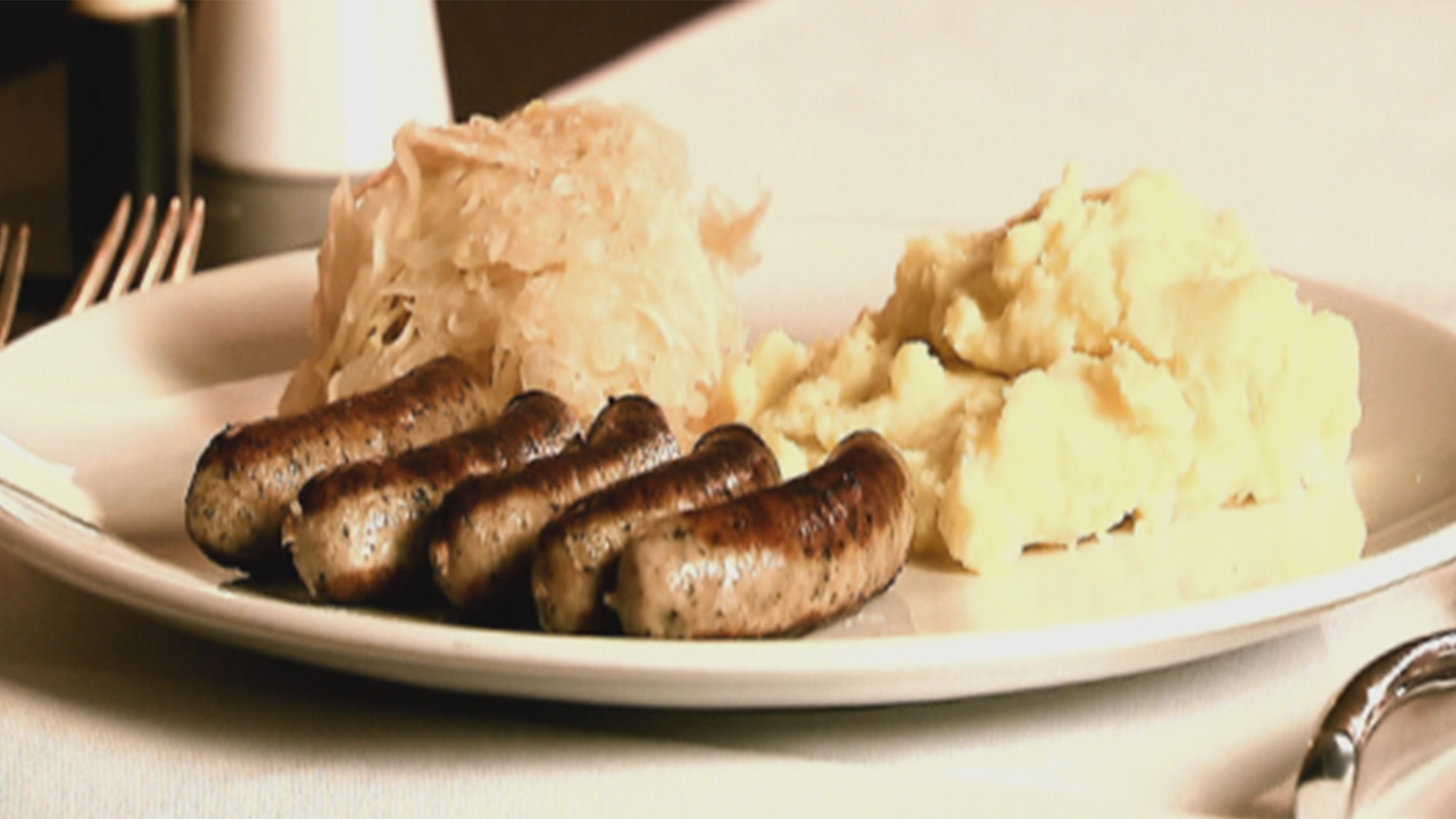
Curriculum-centred and oriented towards educational standards
Matching
Ceramic
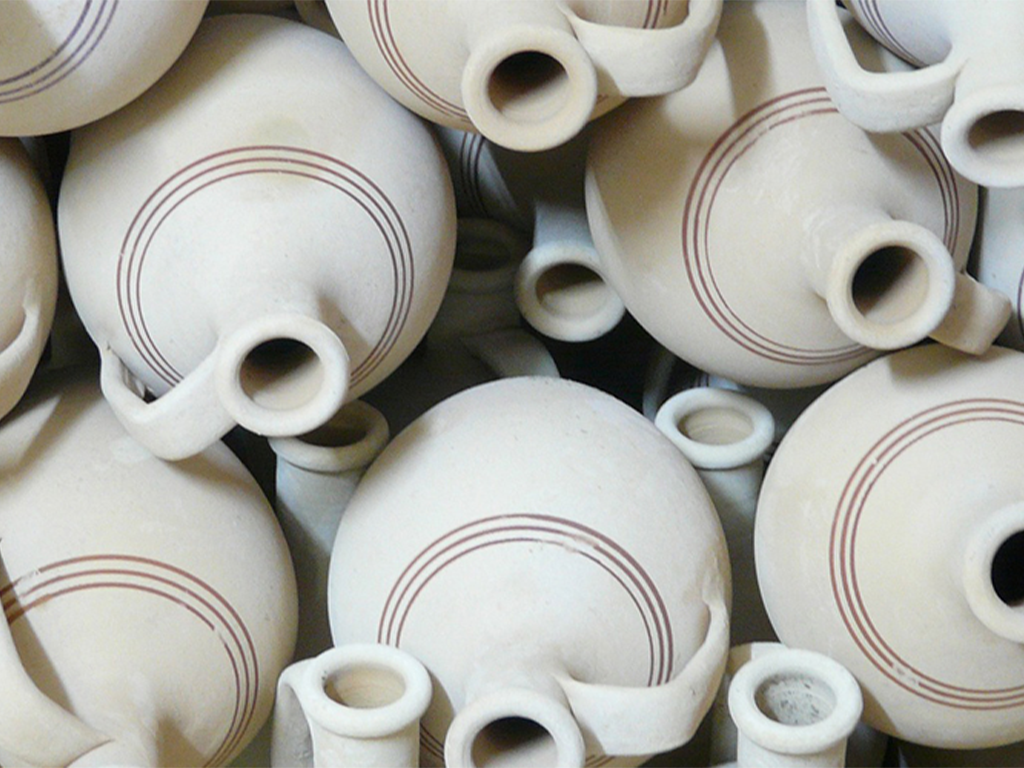
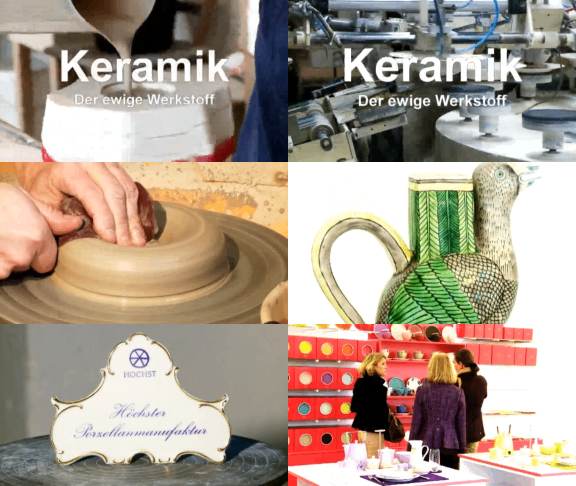
Ceramics are indispensable in our everyday lives. We eat from ceramic plates, drink from ceramic cups, use tiled ceramic bathrooms. But how is ceramic manufactured? The film reveals the secrets of this fascinating material! We get to know more about the beginnings of ceramic in the Old World of Egypt and Mesopotamia, about Greece, China and Rome. We gain interesting insights into the valuable earthenware and are also shown the exquisite further development of the "white gold". Today this versatile material is irreplaceable in industry, too. Whether in space or as an easily compatible substitute in medicine, ceramic is applied in many places.
Inclusion
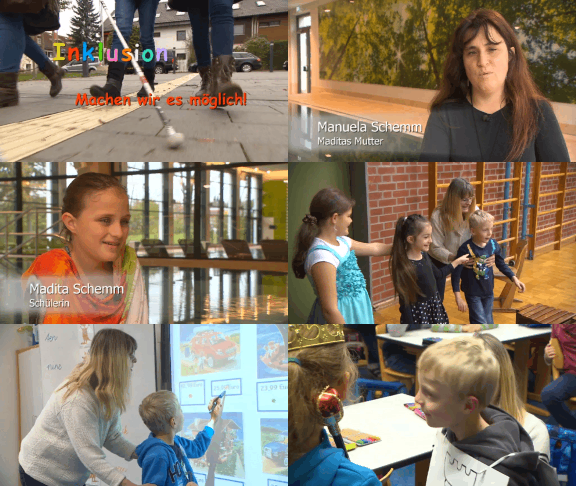
Madita is eleven and blind. She does not want to go to a special school but to a regular grammar school. She says she feels "normal" there. Jonathan is eight and has a walking disability. He likes going to the school where he lives. Here, his best friend sits next to him. Max Dimpflmeier, a teacher who is severely deaf, explains that school life is not easy. Quote Max Dimpflmeier: "You don't want to attract attention, you want to avoid saying that it is necessary for you that 70 people adjust to your situation." People on their way to inclusion.
The Daily Newspaper
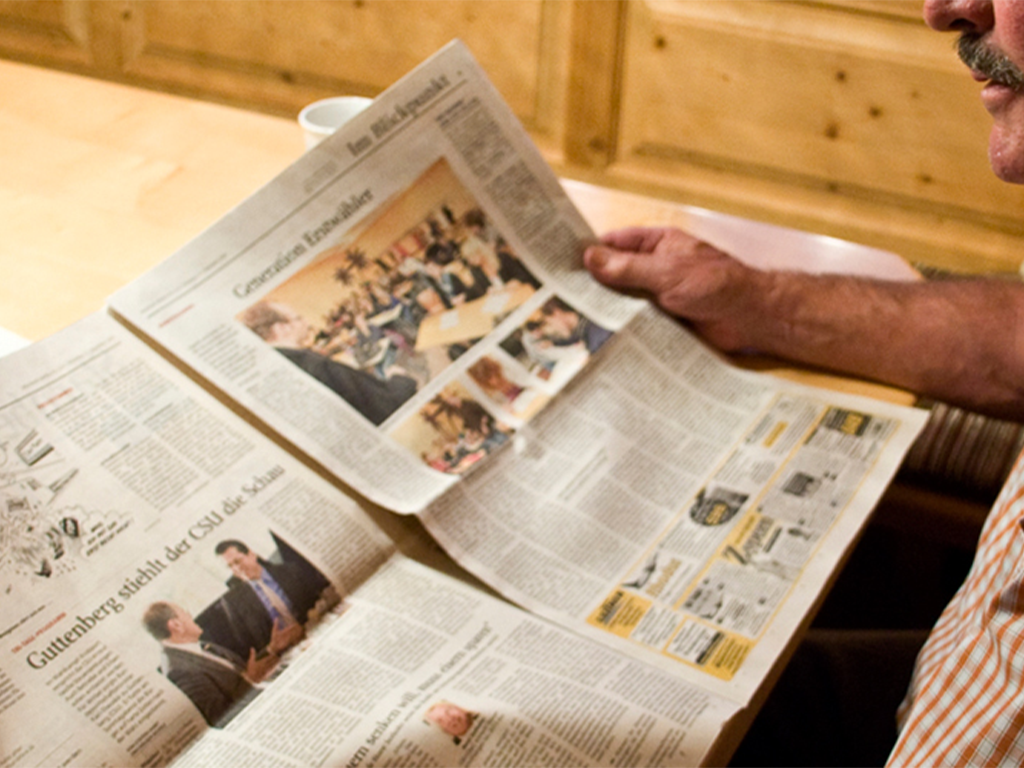
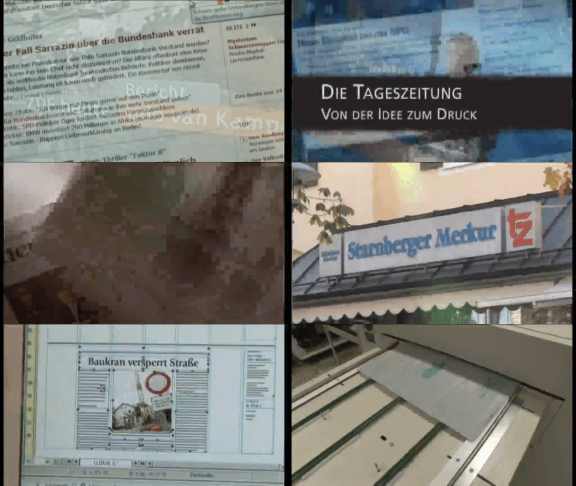
Every day, there is a surge of news reaching us via different news channels. In spite of TV and Internet, the daily paper still is one of the most important main sources of news. But how is a newspaper created? The film shows the production of a paper in the course of one day. Starting with the editorial meeting in the morning, in which the topics and deadlines are determined, the film accompanies a journalist during her research work. You can see how a journalistic interview is conducted and what the photographer must consider when taking a press photo. Back in the editorial office, the editor’s work is illustrated, which includes the page layout and the writing of an online article in today’s time. Impressive pictures from the printing centre depict the process from the digital page to the finished newspaper. Together with the comprehensive accompanying material, the DVD is perfectly suited for use at school