







 Primary School

4655731 / 5550656
The Farm
Where does our Food Come from?
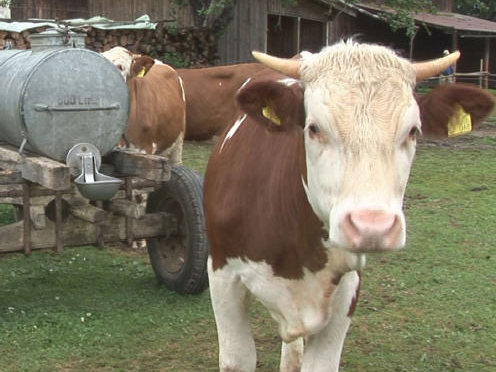
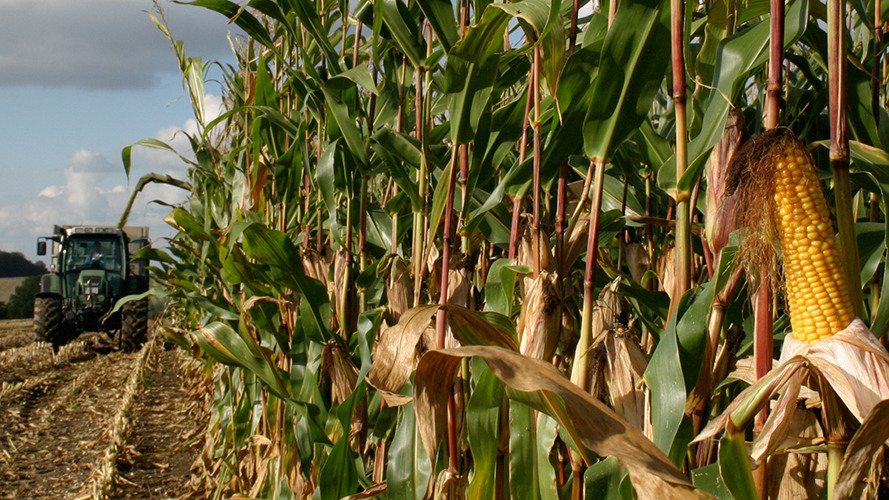
This DVD offers some insight into the life on a farm today. In a way easily understandable for primary school pupils, the film shows with simple and tranquil pictures the daily work in an agricultural business. At the same time, a number of domestic animals are introduced to the children and they learn about their characteristics and lives as well as their use for us humans.The DVD covers the following aspects of the topic: Cows and cattle (modern milk production in the milking plant, cow-keeping on the pasture and in the cowshed, birth and rearing of the calves); pigs (pigs as productive livestock, characteristics, preferences, reproduction); poultry (free-ranging chicken, hatching of a chick, turkeys and geese as fat stock); horses and goats on the farm (information on these domestic animals, their use); small animals on a farm (cats, dog, bees, swallows); agricultural crops (types of cereal like wheat, barley and corn, tilling of the fields, transport and storage of hay using modern farming machines).The film is divided into six menu items (chapters). Each chapter can be individually accessed and worked on.
Play trailer
- <> Languages: DE, EN, TR
- <> Target Groups: FÖ, GRU, Sek I
- <> Subject: Primary School
- <> Length: 20:00 min
- View in learning platform
Licenses
Curriculum-centred and oriented towards educational standards
Matching
Ideals of Beauty
1. What Is Beautiful?
Inclusion
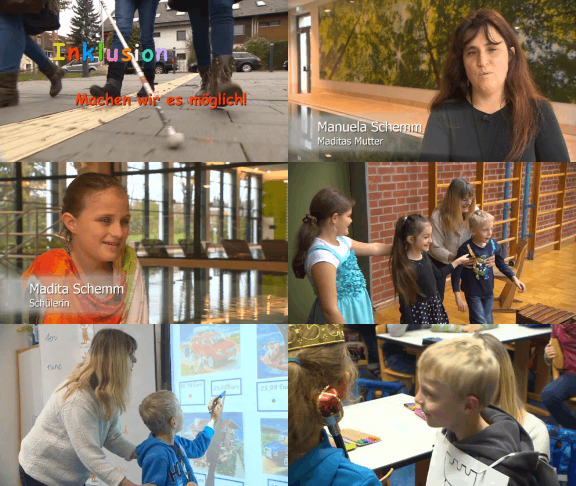
Madita is eleven and blind. She does not want to go to a special school but to a regular grammar school. She says she feels "normal" there. Jonathan is eight and has a walking disability. He likes going to the school where he lives. Here, his best friend sits next to him. Max Dimpflmeier, a teacher who is severely deaf, explains that school life is not easy. Quote Max Dimpflmeier: "You don't want to attract attention, you want to avoid saying that it is necessary for you that 70 people adjust to your situation." People on their way to inclusion.
Copyright
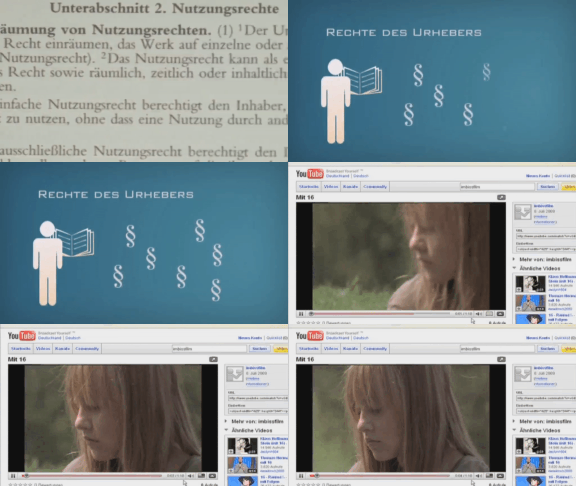
Copyright is subject to constant change to keep up with technological advances. This film enables the viewer to grasp the basic principles of this extremely intricate matter. By way of introduction, the film defines what an author is, what kinds of works there are and how long a work is protected on principle. Then the fundamental rights of an author are cited and it is shown how these are exploited in our times. In the third chapter, the respective rights are illustrated by way of practice-oriented examples of books, photos, music and films. Here, of course, an emphasis is laid on the field of education, taking into account the latest case law within the EU and Austria in particular. A further chapter highlights the problems arising with the Internet and goes into the citation law and pirate copies. All in all, in this way the viewer is made familiar with the most important basic terms and their meanings. Comprehensive worksheets and additional accompanying material invite us to deepen our knowledge of the subject.