







 History, Technology

4673619 / 5561444
Silicon Valley
Location for the IT and High-tech Industry
The famous Golden Gate Bridge runs across the San Francisco Bay into one of the most beautiful cities of America. And into one of the world’s richest regions. Around the bay, the headquarters of the leading global corporations of the digital era are located. The cable cars lend an air of nostalgia to the city with its hilly and winding streets. In the bay, the state-of-the-art companies of the world are successful. Here, everything is about bits and bytes, the Internet and social media. San Jose, Cupertino, Mountain View and Palo Alto are situated in Silicon Valley, as the valley to the south of the San Francisco Peninsula is called because the digital revolution began here. A region full of orchards turned into a high-tech Mecca. Here, the market leads of almost all modern industries were founded. Companies like Hewlett-Packard, Apple and Intel gathered around Stanford and NASA, later Google, Yahoo and Facebook appeared on the scene. Today thousands of world-famous companies are based here. Working here is a privilege, living here has become expensive. Apple and Facebook were founded in the Valley. Google and Intel started to consolidate their predominance from here. They all drew on one pool: the think tank of Stanford University.
Play trailer
Curriculum-centred and oriented towards educational standards
Matching

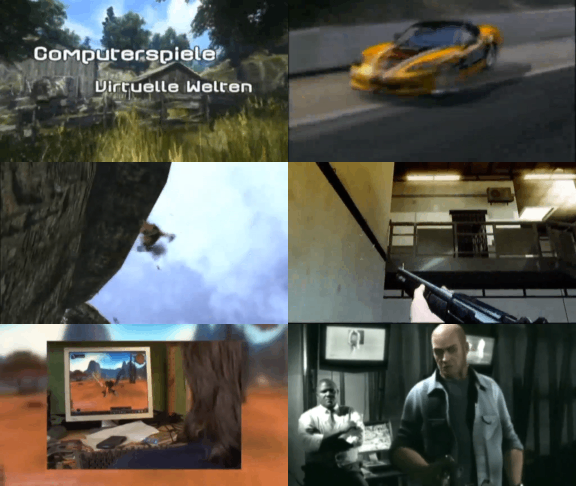
Computer Games
This film covers the topic of computer games in a variety of ways and from many different angles. Apart from the fascina- tion of computer games for users, the historical development as well as the production of computer games are described. The established genres are introduced, the guidelines of the German BPjM are explained. In light of recent public discussions, a neutral overview of the pros and cons of playing computer games is given, and different kinds of player behaviour are outlined. In this film, the pupils will recognise many aspects of their favourite pastime that encourage an independent, constructive use of this medium and reinforce their media competency. The film and teaching material are very closely related to the real-life situation.


Internet Addiction
The film consists of two parts. The first part is the 15-minute short film “In the Net”. It describes the problem of excessive Internet use in a humorous way, in particular the risk of losing touch with reality when chatting. The second part illustrates with three real persons how Internet addiction can develop and the problems encountered by those who are afflicted. The authentic statements are commented by an experienced therapist. For many pupils, the issues addressed here are related to their everyday lives. What is a “sensible” use of the Internet, where does pathological addiction start? In contrast to addiction to alcohol, nicotine or drugs, the public seems to be largely ignorant of the problem of this addiction, which is not related to any substance abuse. The film provides material for discussion in the classroom (crossdisciplinary) and can be used as a basis for the formulation of prevention strategies.
Inclusion
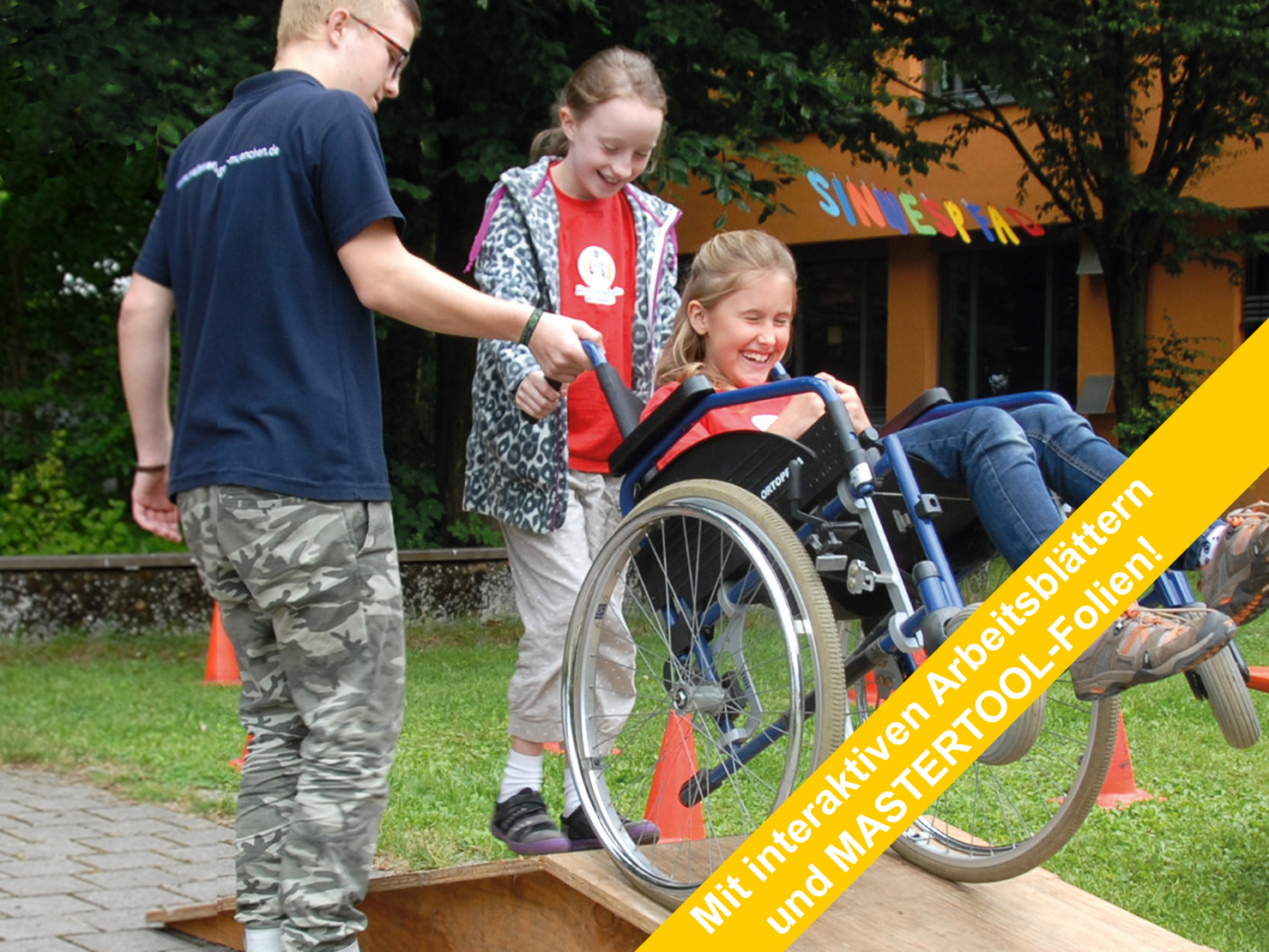
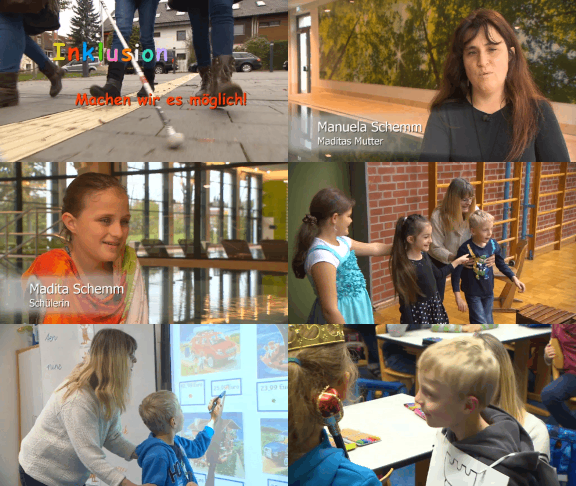
Madita is eleven and blind. She does not want to go to a special school but to a regular grammar school. She says she feels "normal" there. Jonathan is eight and has a walking disability. He likes going to the school where he lives. Here, his best friend sits next to him. Max Dimpflmeier, a teacher who is severely deaf, explains that school life is not easy. Quote Max Dimpflmeier: "You don't want to attract attention, you want to avoid saying that it is necessary for you that 70 people adjust to your situation." People on their way to inclusion.