







 Geography
4656520 / 5551284
Rhineland-Palatinate
The Federal States of Germany
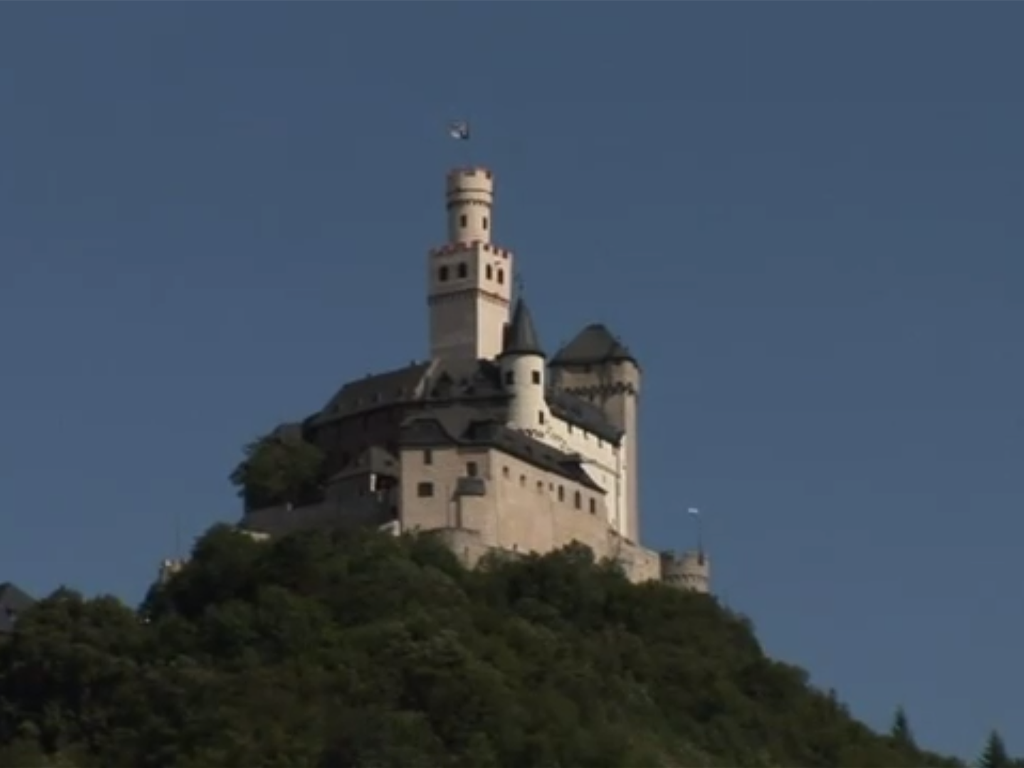
The German Federal State of Rhineland-Palatinate lies in the southwest of the Federal Republic of Germany. This DVD begins with an overview over the state with its nine natural regions: Ahr Valley, Eifel, Westerwald, Mosel-Saar, Huns- rück, the Nahe region, Palatinate with the Palatinate Forest, Middle Rhine-Lahn-Taunus and Rhenish Hesse. A detailed chapter on the eventful history of Rhineland-Palatinate makes this DVD suitable for history lessons, too. Here, the period from Roman Times up to the foundation of the federal state of Rhineland-Palatinate is summarised. Thanks to its central location in Western Europe, its proximity to other European countries, 14 public inland ports on the Rhine and the Moselle and an export quota of around 46%, Rhineland-Palatinate is also an attractive business location. At the same time, it is the “wine state” of the Federal Republic, with 65% of the entire German wine-growing area. The capital of Mainz is often referred to as a media city, houses the media companies ZDF and SWR and is an important employer in the country. Due to the modular, modified regional-studies approach, this DVD of- fers the possibility of using both comprehensive and specific teaching strategies and access modes.
Play trailer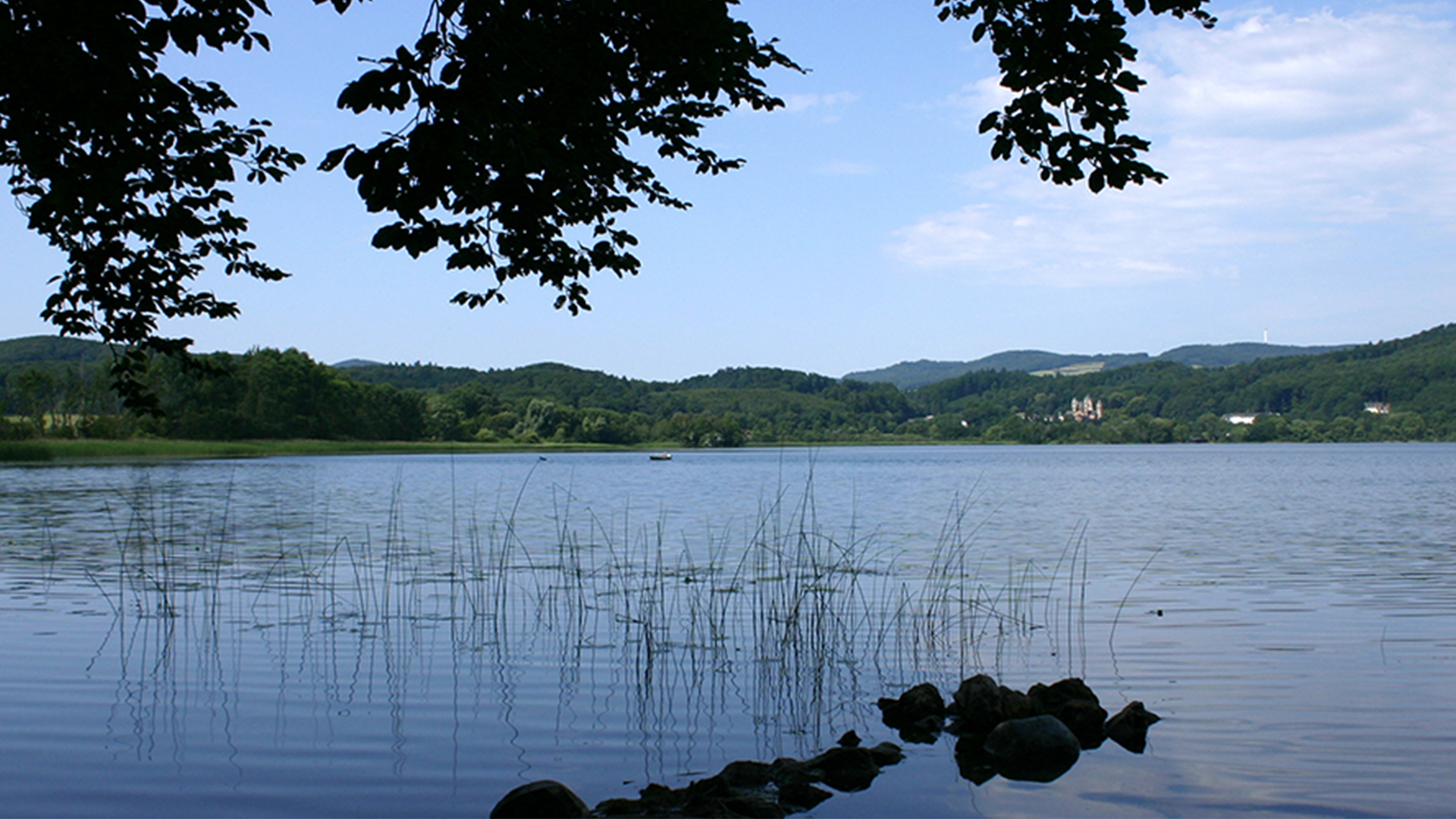
Curriculum-centred and oriented towards educational standards
Matching

Racism
Do you perhaps know that?
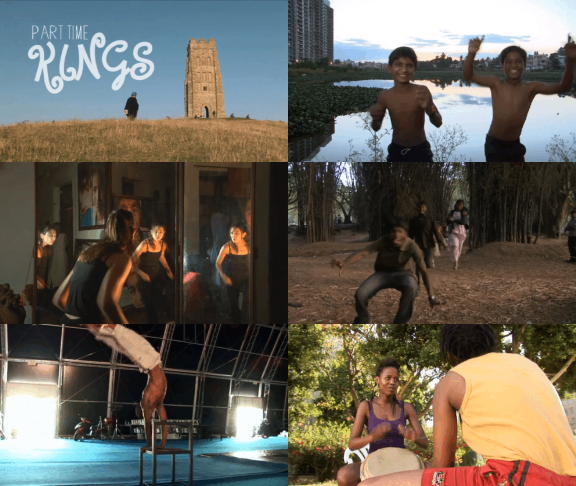
Part Time Kings
Your children are not your children
The Daily Newspaper
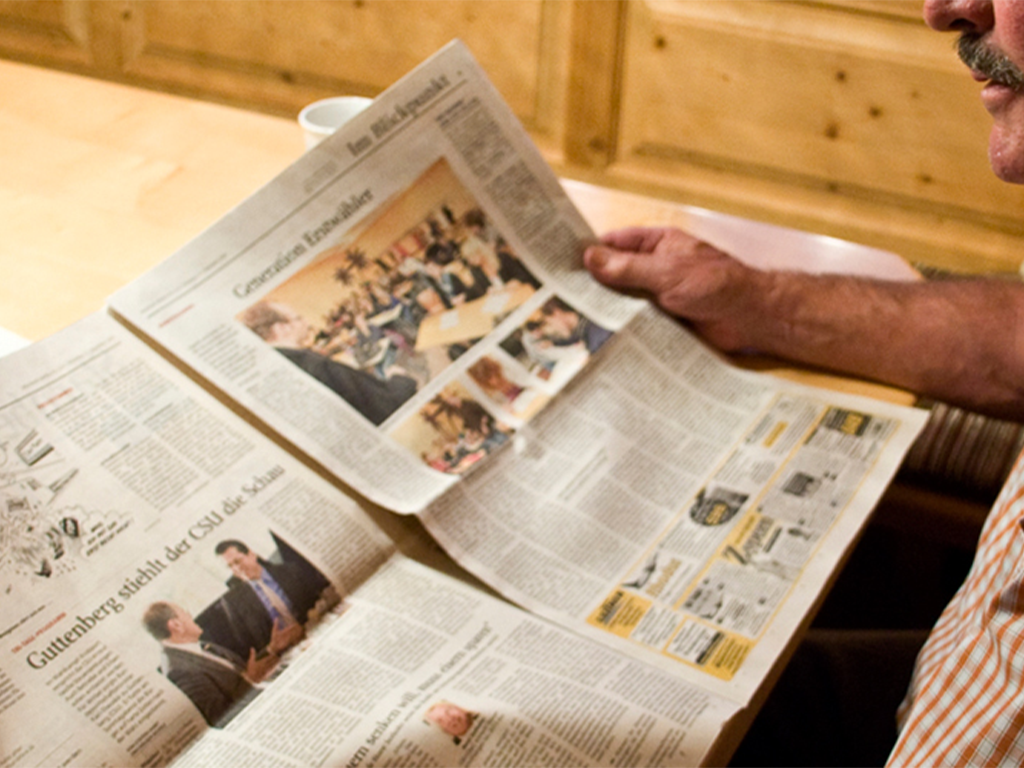
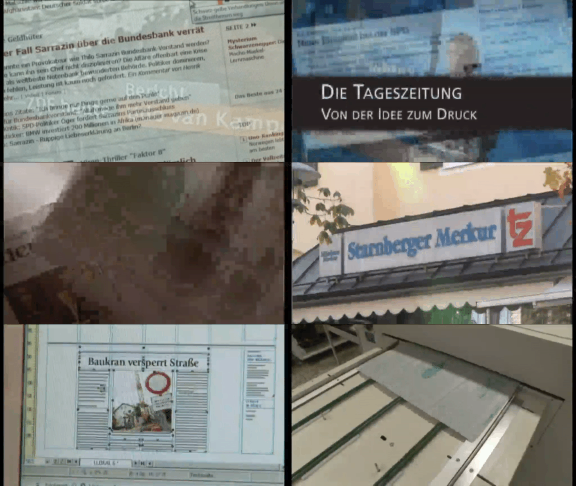
Every day, there is a surge of news reaching us via different news channels. In spite of TV and Internet, the daily paper still is one of the most important main sources of news. But how is a newspaper created? The film shows the production of a paper in the course of one day. Starting with the editorial meeting in the morning, in which the topics and deadlines are determined, the film accompanies a journalist during her research work. You can see how a journalistic interview is conducted and what the photographer must consider when taking a press photo. Back in the editorial office, the editor’s work is illustrated, which includes the page layout and the writing of an online article in today’s time. Impressive pictures from the printing centre depict the process from the digital page to the finished newspaper. Together with the comprehensive accompanying material, the DVD is perfectly suited for use at school