







 Geography
4656543 / 5551306
Poland
EU Member States
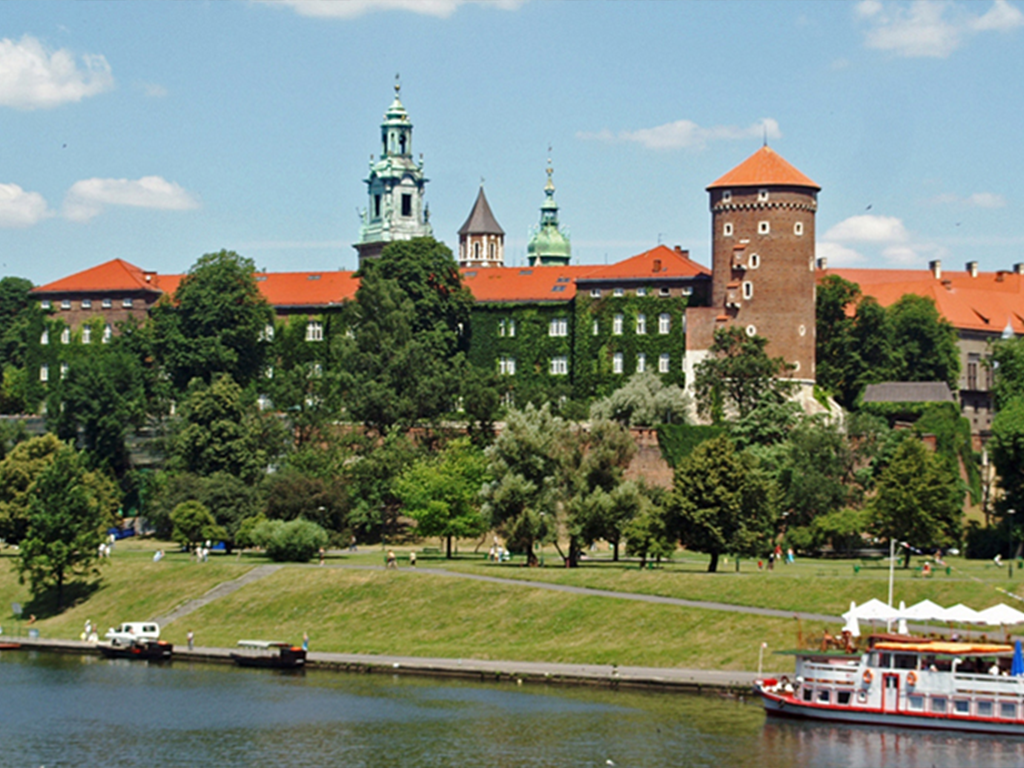
This DVD conveys to the pupils a comprehensive picture of the European neighbour state of Poland. Topographical information on Poland is followed by an overview of its typical natural landscapes, for instance the Baltic seashore from the Pomeranian Bay to the Gulf of Gdansk, the adjacent hills of the “Baltic Ridge” und the lowlands of Silesia and Mazovia. The large lake districts, the high mountain region of the “High Tatra” and the mighty Forest Carpathians form Poland’s natu- ral landmarks. The DVD gives a striking account of Poland’s fight for sove- reignty and explains the massive economic boom as a conse- quence of the transition from a centrally planned economy to a well-functioning market economy. A visit to the capital of Warsaw shows, among other things, the Old Town, which is a UNESCO World Heritage Site, but also the modern part of the city around the Palace of Culture and Science. The pupils also get to know Poland as a country of science and culture, where modern research and traditional customs peacefully coexist.This DVD shows the diversity and unique- ness of the EU member state of Poland and helps pupils to learn more about their European homeland.
Play trailer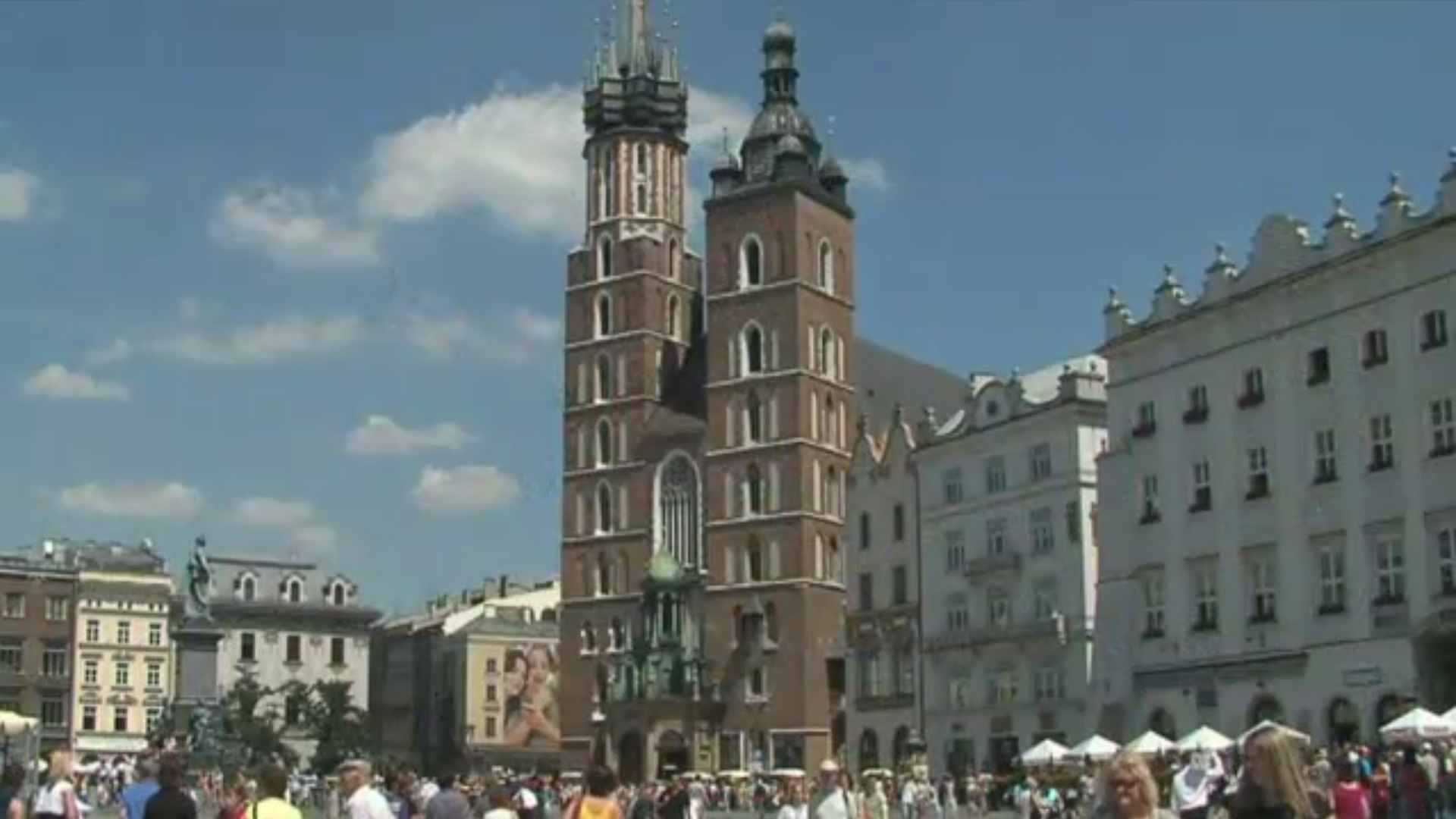
Curriculum-centred and oriented towards educational standards
Matching

Mobile Learning II
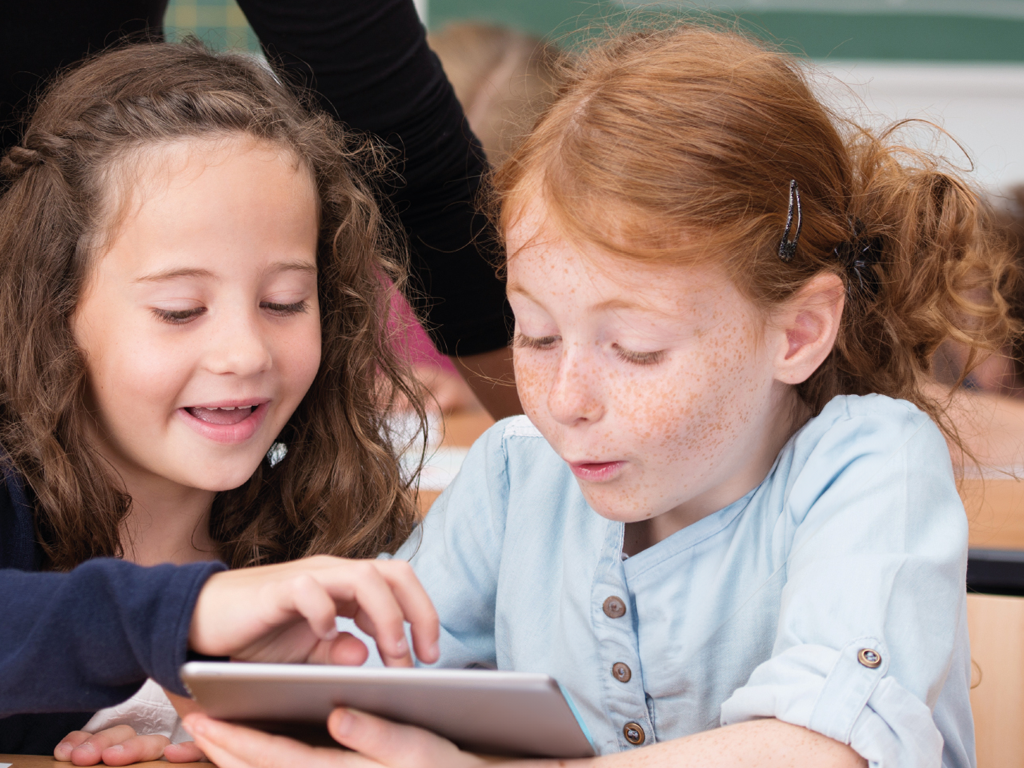
Oh, what’s that? Original soundtrack Thissen: “As our children grow up in a media world and naturally handle the media, they should also be a topic in school.“ An older child says the point is that they don’t just load down apps but create things themselves that haven’t existed so far. Hi, I’m Jana. A propeller hat. I’ll put it on. Now I’m no longer a simple rhino, but a flying rhino. Original soundtrack Thissen: “It’s exactly the great flexibility of tablets that promotes very personalised and adapted learning.” Original soundtrack Welzel: “It’s fascinating to see how the children grow with their products and how they always want to improve them.” The Westminster Abbey is a church in London for the royal family. Original soundtrack Welzel: “And?“ They think it is ok.
Podcasting
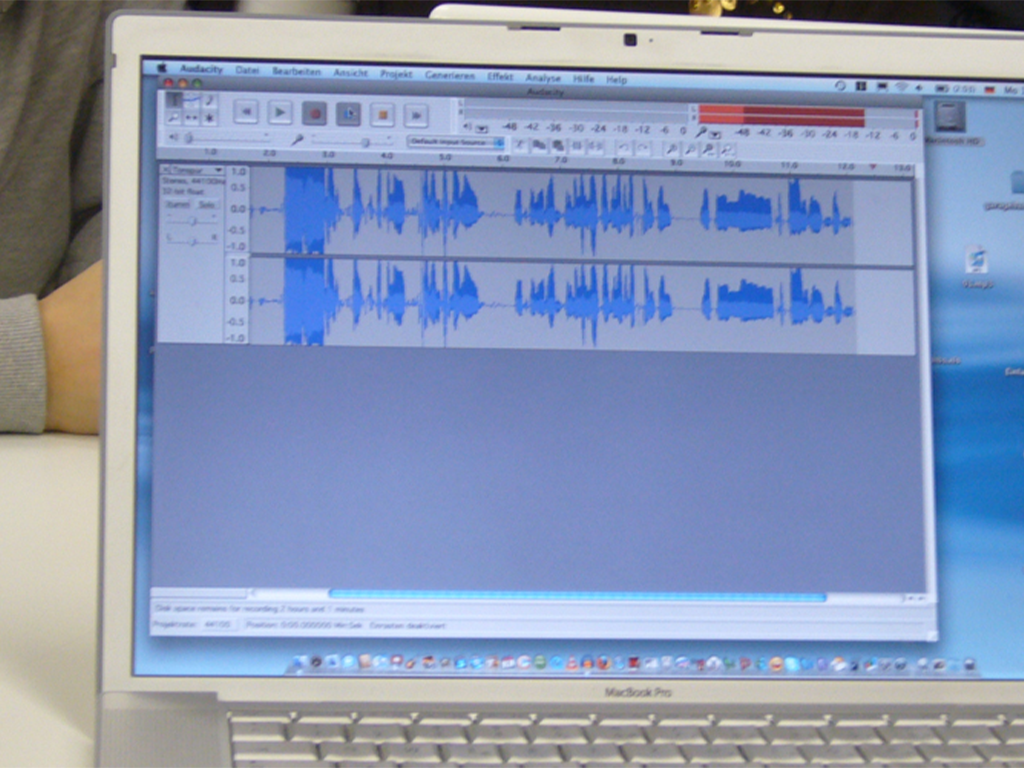
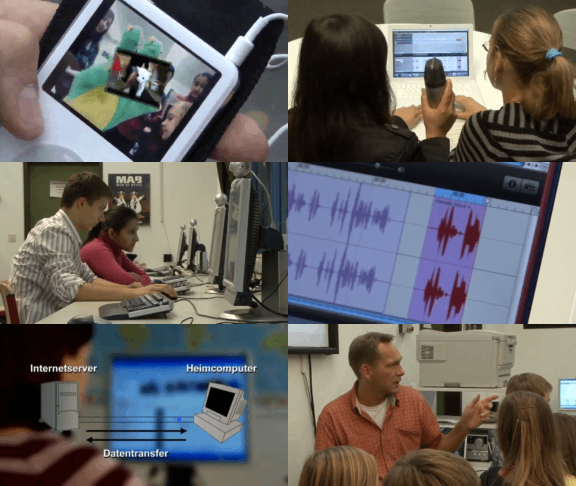
Today, the use of new media has become a matter of course not only in everyday life – schools and teaching, too, benefit from the new technologies and methods, which support active and independent learning. Especially in computer science, ethics and language courses but also in all other subjects, modern media are a valuable pedagogic and didactic asset. This DVD uses the example of podcasts to demonstrate how the possibilities opened up by new media can be applied in the classroom and how the pupils can be taught to handle them in a competent and target-oriented manner. The film is aimed at supporting the use of podcasts at school and encourages making them. This also requires the ability to find information on the Internet and assess it. The film informs on the functionality of podcasts and technical background as well as on the teaching and learning possibilities offered by podcasts – ranging from specific contents to superordinate learning targets such as the advancement of creativity and team spirit. The DVD is a useful support for teachers applying new media and wishing to show their pupils how to handle Running Time: 20:29 ms them in a sensible way.
Product Piracy
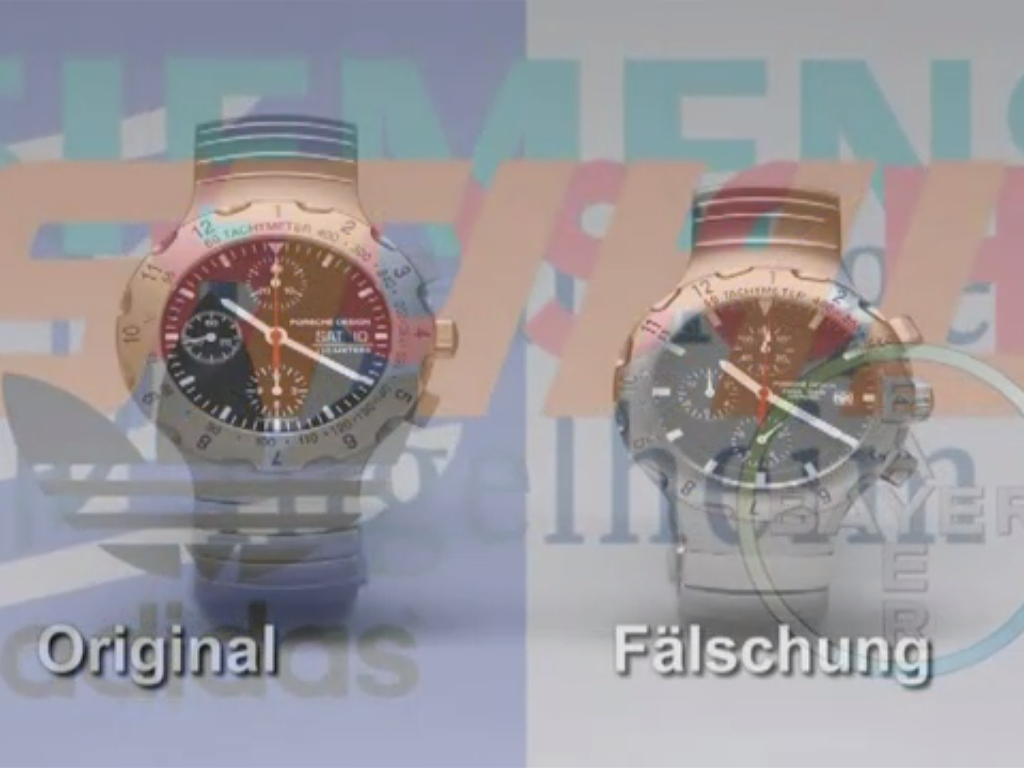
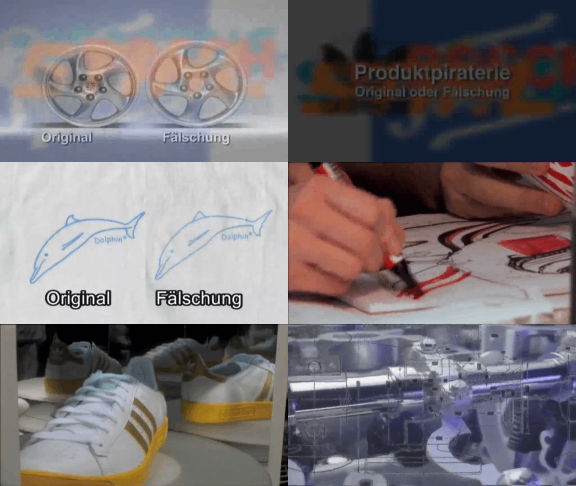
Counterfeiting takes place in almost all economic sectors – textiles, watches, car parts, machine parts, tools, accessories, software and medicines. Some counterfeits are easy to recognise, others are so well-executed that even experts have difficulty distinguishing between original and imitation. This DVD covers the development of a product from idea to manufacture. Once a product has become a trademark, product pirates appear on the scene.