







 Chemistry
46500902 / 55500659
Plastic
Production, Use, Recycling
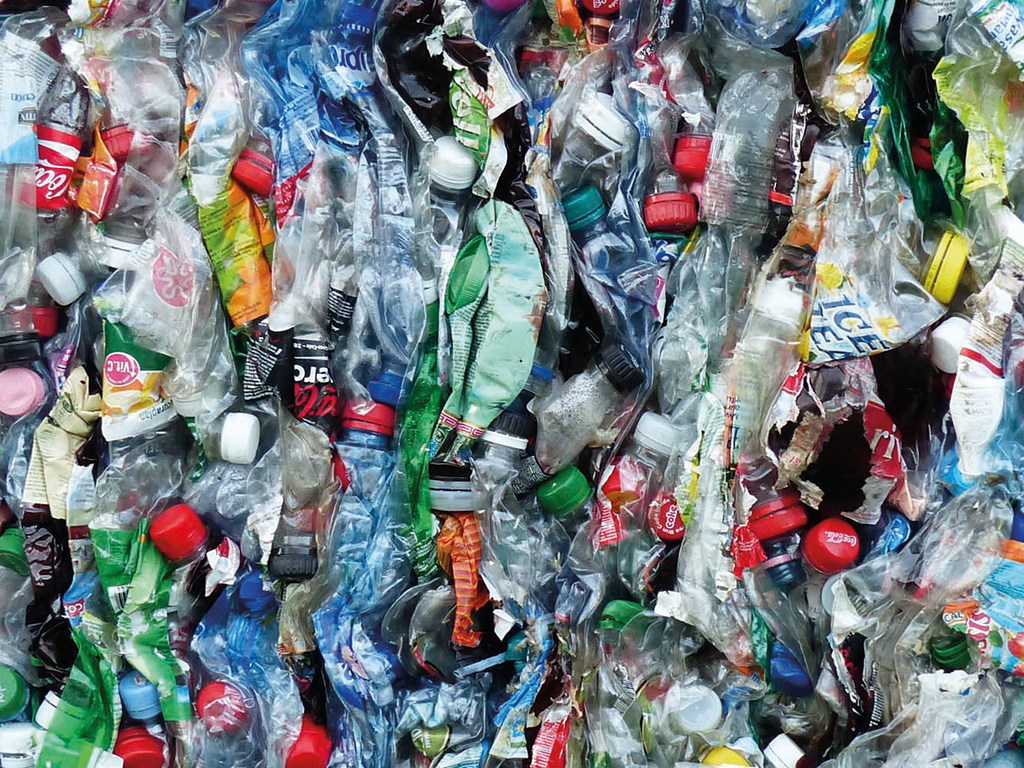
Plastic has been around for not longer than roughly 100 years, and the synthetic material is a brilliant invention. Its production is cheap, it can take almost any possible form, it is light-weight, versatile and, above all, inexpensive. Original soundtrack Frank Thenhausen, Production Manager, Thenhausen Spritzgusstechnik + Werkzeugbau GmbH: “We can no longer imagine a life without synthetics. We are affected by them in all areas. It starts with packaging, technical parts in car and plane manufacture. One would like to produce it more cheaply than in the past. This results in a price war because synthetics are very much in demand. The article itself is a thermo-synthetic. I can reduce its size, I can recycle it and make new synthetic parts from it, which is almost unlimitably possible.“ Chemically, plastic materials are synthetic, i.e. artificial, compounds on a carbon basis. The term “plastic” is derived from the Latin word for “malleable”. Plastics are also called synthetics because they do not occur in nature in their present form but are produced synthetically, however – as opposed to steel or glass – from organic substances. The parent substance of plastic is petroleum, a purely natural product, because petroleum does not consist of anything else than tiny sea dwellers, which, after their death, were being chemically transformed under pressure over the course of millions of years. These are resources that took millions of years to form and that are not unlimited. In refineries, the petroleum is separated into its various components, namely into small molecules, so-called monomers. The monomers can be combined in any possible way by chemical linking in so-called synthesis processes. Large chain-shaped or net-shaped molecules, the polymers or primary plastics, are formed from the multiple small molecules. The properties of primary plastics can be changed with colour particles or other chemical additives, e.g. softening or hardening agents. Depending on the method applied and on the type of monomers used, different kinds of plastic are created.
Play trailer
Curriculum-centred and oriented towards educational standards
Matching

Part Time Kings
Your children are not your children

Resuscitation
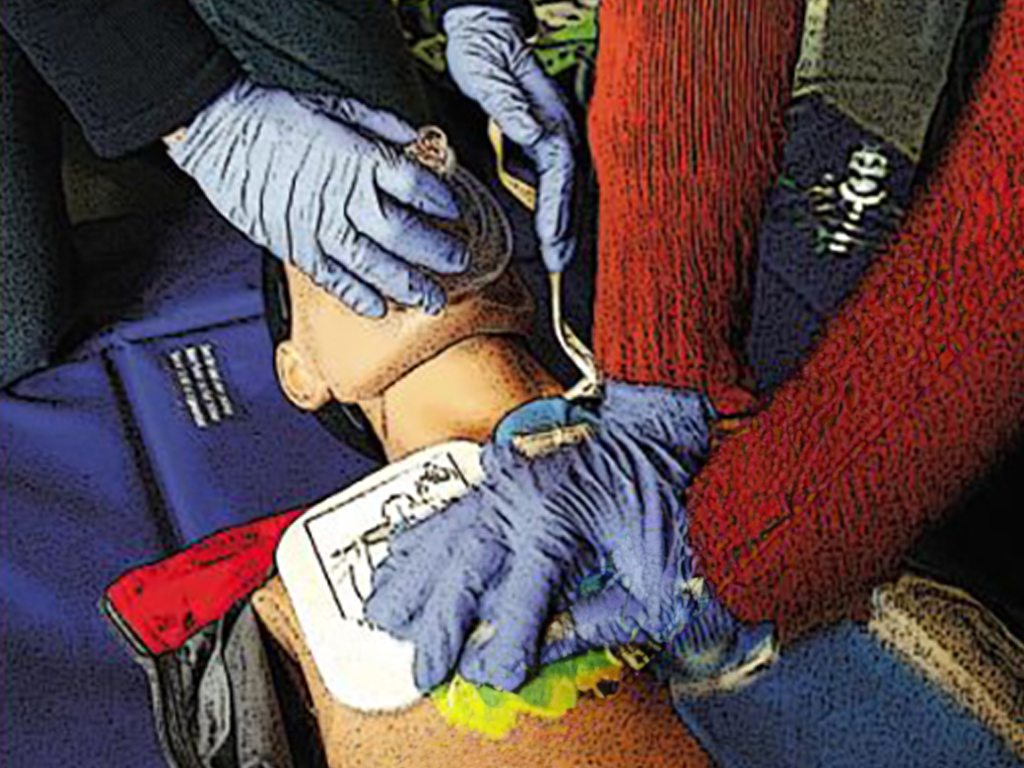
It can happen to anyone – of any age, in any place, at any time. Sudden cardiac arrest may quickly prove fatal. Immediate action is called for! Just remember: Check Call Press Anyone can do it. You can't do anything wrong!

Tolerance
“Tolerance means being generous and kind to other people and helping them, too.”