







 Biology
4667670 / 5558929
Parasites
Invisible Survival Strategies
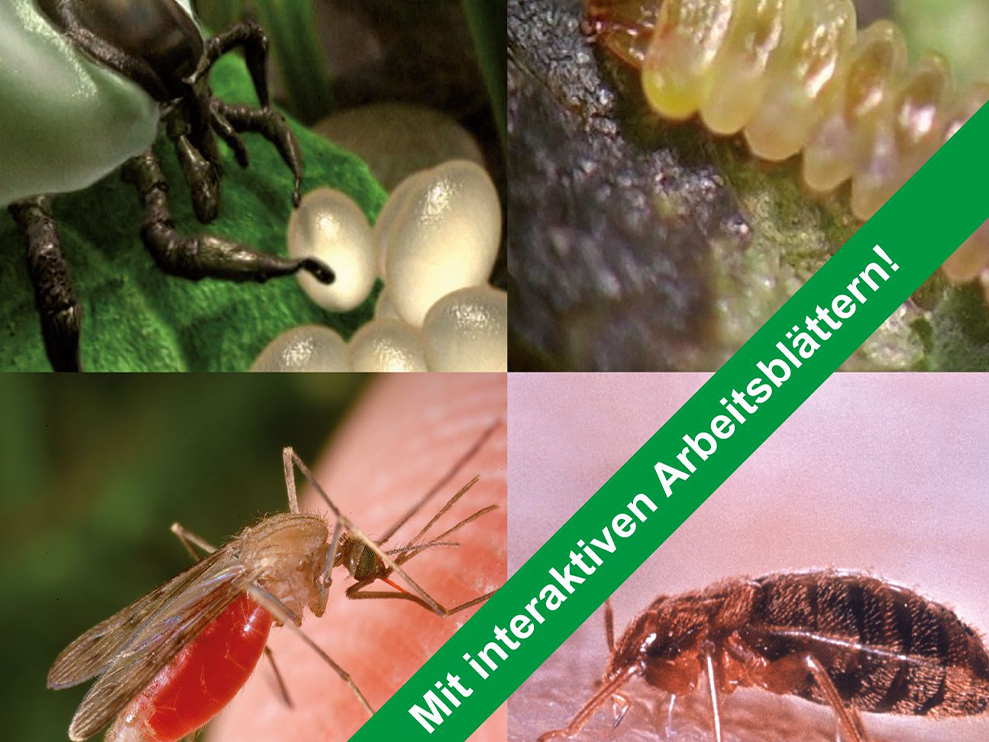
Parasites are not a small group of organisms, as many believe. Parasitism is a specific mode of life in which one creature, a parasite, lives on another creature and feeds on it. Apart from well-known parasites such as ticks or bed bugs, also animals like the cuckoo or the ichneumon fly and plants, for example the mistletoe, live parasitically. With a lot of animations, recordings and microscope images the film illustrates how this ectoparasitic way of life evolves, to what extent the parasites deprive their hosts and what other living organisms engage in parasitism, too. Humans easily become hosts to parasites and the latter can transmit serious diseases. The malaria cycle and the danger of ESME are described and preventive measures that can be taken are shown. With the extensive accompanying material the didactic DVD is perfectly suited for use in the classroom.
Play trailer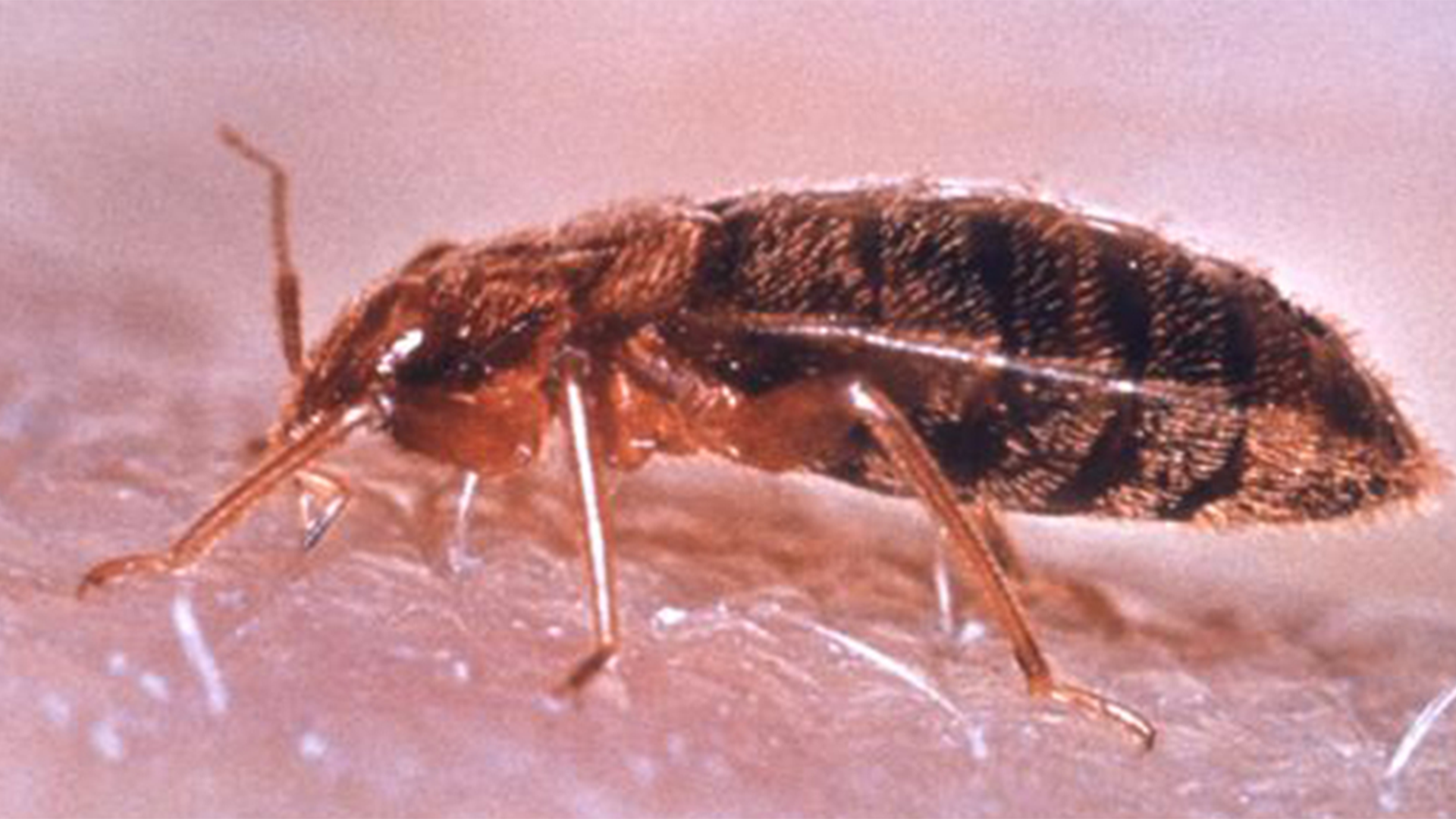
Curriculum-centred and oriented towards educational standards
Matching
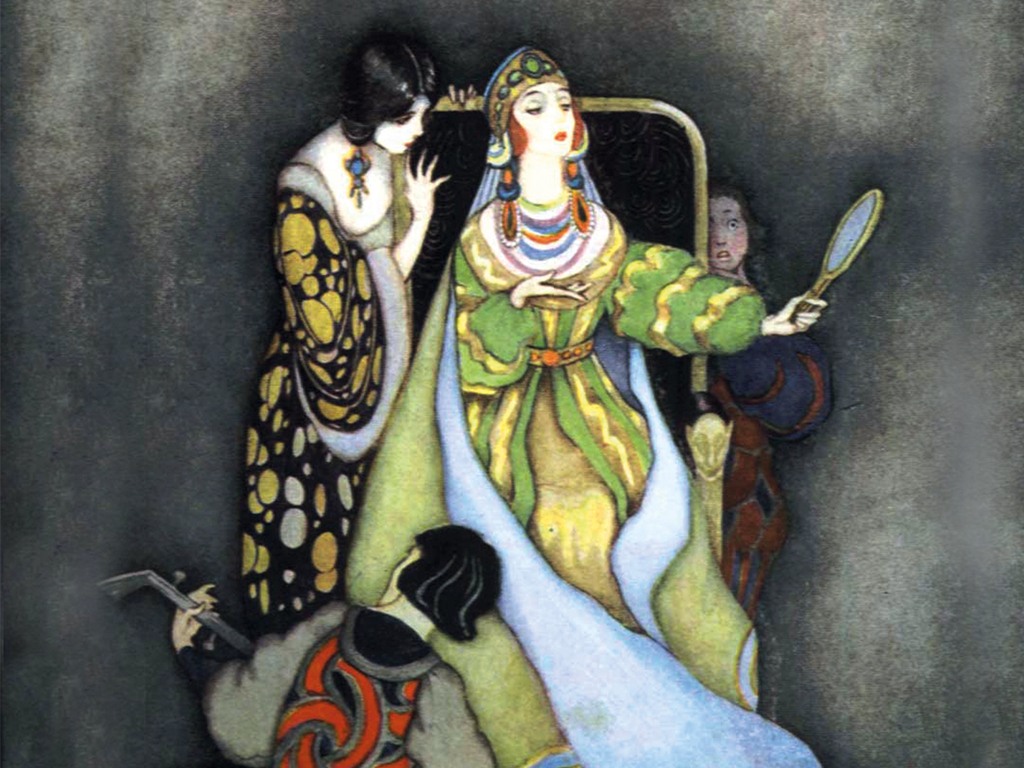

Ideals of Beauty
1. What Is Beautiful?


Racism
Do you perhaps know that?


Blogging
The weblog or blog, for short, as a medium is not much older than this century. Blogs came into being in the World Wide Web as ’messages from below’, as web pages from web creators who wanted to share their view of the world with the world. They are short notes, long texts, pictures, videos, which are posted loosely and at random intervals to the world for an undefined public.