







 Biology
4669617 / 5560294
New Species in our Environment
Invasive Species
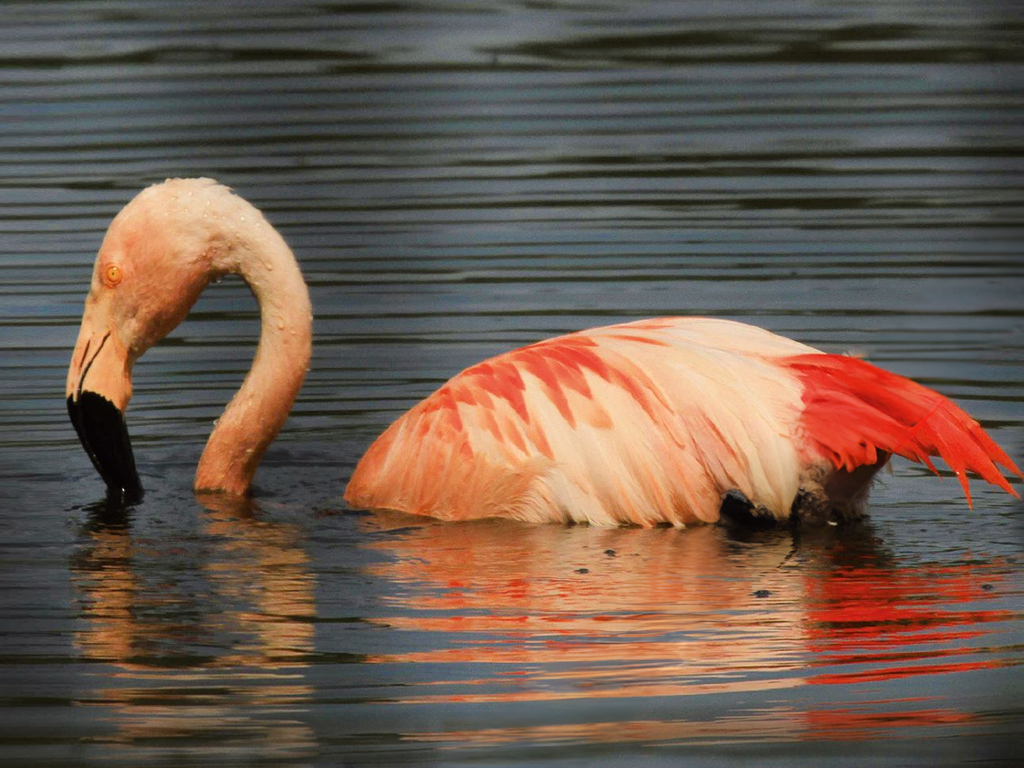
More and more animal and plant species successfully spread far away from their original homes. They are organisms that with our assistance – or even alone – are disseminated further and further across the globe: they are called invasive species. This flamboyantly pink coloured bird is mostly known from zoos or television: the flamingo is unmistakable. Its arcuate bill works like a sieve. With its help flamingos filter tiny algae and crawfish from the water. Flamingos are common in America and Asia. In Europe they have settled down in the Mediterranean area. But not only there – for about 40 years there have been flamingos living in the wild also in Germany! As they are new here, flamingos are considered a so-called invasive species.
Play trailer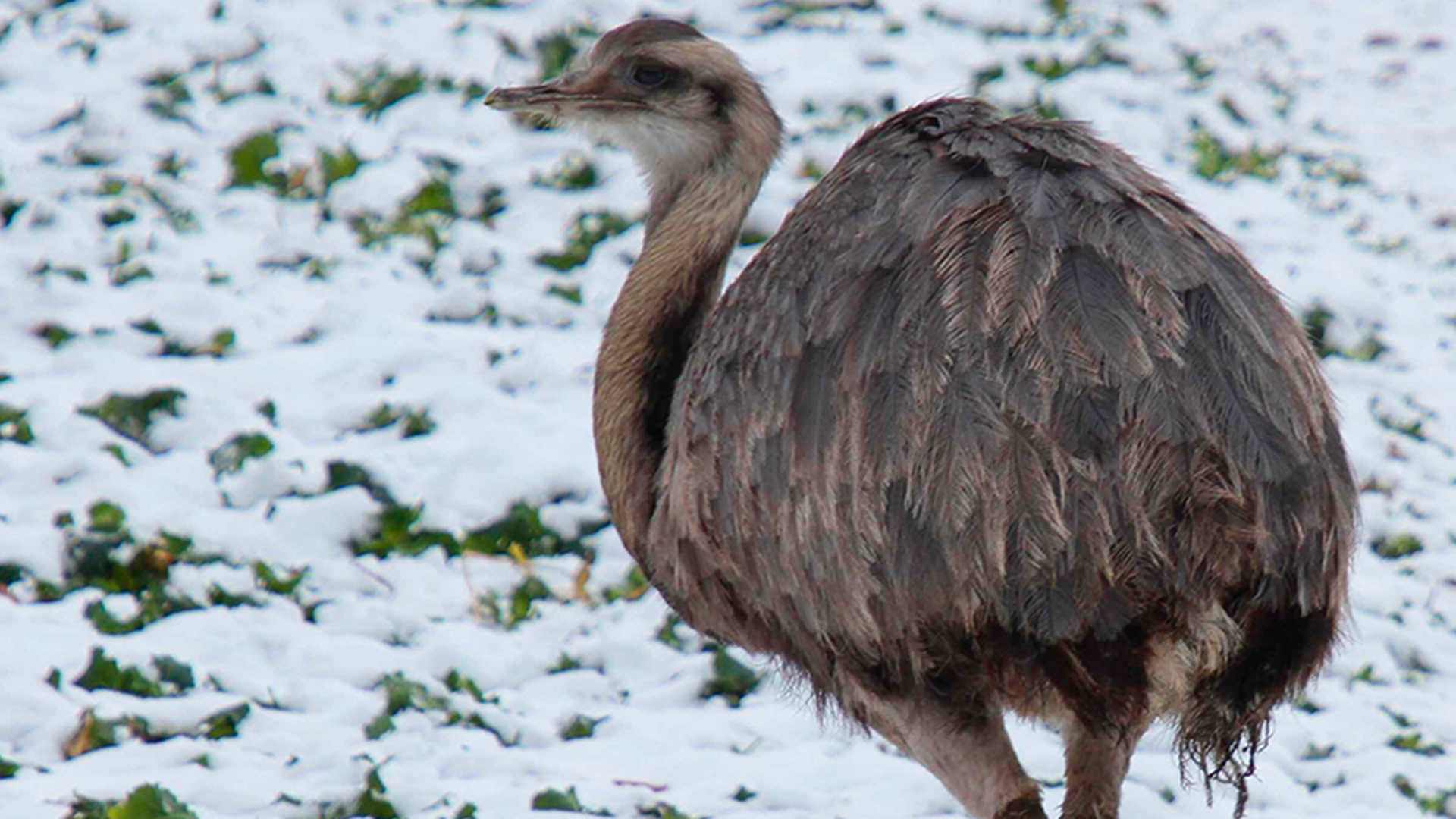
Curriculum-centred and oriented towards educational standards
Matching
Air Traffic
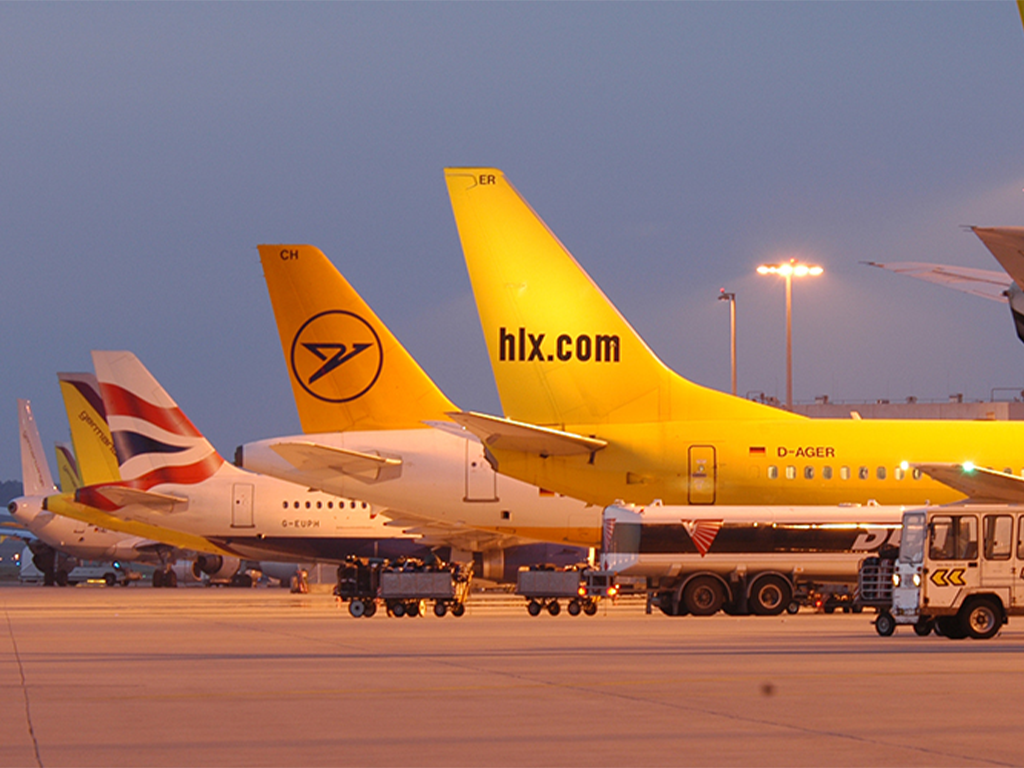
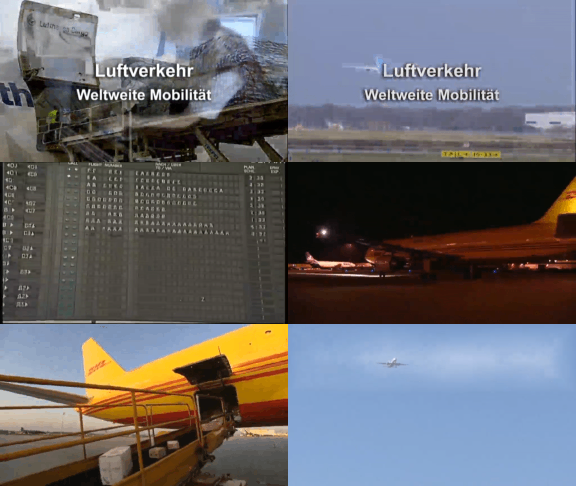
Being able to fly has been a dream of humanity from time immemorial. But it does not even date back a century that people actually started being able to travel through the air. Since the 1960s, the number of flight passengers has been constantly increasing. Thus, the airspace is no longer dominated by birds but by man-made flying objects.
Inclusion
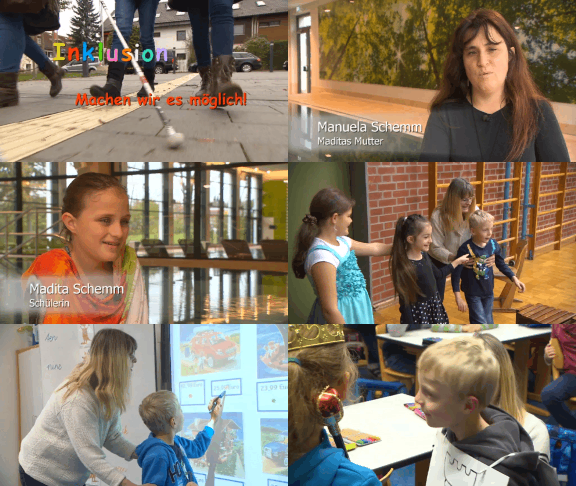
Madita is eleven and blind. She does not want to go to a special school but to a regular grammar school. She says she feels "normal" there. Jonathan is eight and has a walking disability. He likes going to the school where he lives. Here, his best friend sits next to him. Max Dimpflmeier, a teacher who is severely deaf, explains that school life is not easy. Quote Max Dimpflmeier: "You don't want to attract attention, you want to avoid saying that it is necessary for you that 70 people adjust to your situation." People on their way to inclusion.

Copyright
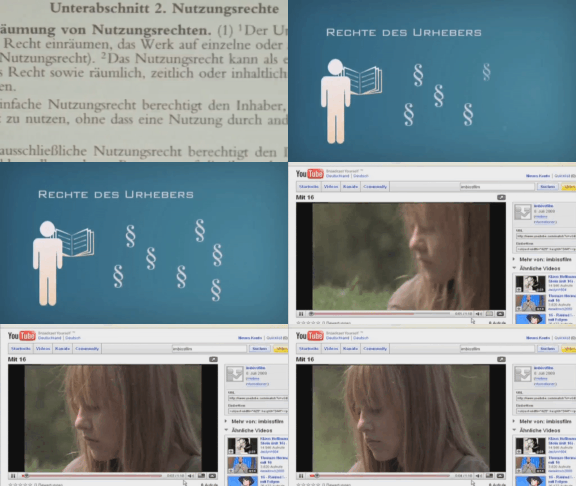
Copyright is subject to constant change to keep up with technological advances. This film enables the viewer to grasp the basic principles of this extremely intricate matter. By way of introduction, the film defines what an author is, what kinds of works there are and how long a work is protected on principle. Then the fundamental rights of an author are cited and it is shown how these are exploited in our times. In the third chapter, the respective rights are illustrated by way of practice-oriented examples of books, photos, music and films. Here, of course, an emphasis is laid on the field of education, taking into account the latest case law within the EU and Austria in particular. A further chapter highlights the problems arising with the Internet and goes into the citation law and pirate copies. All in all, in this way the viewer is made familiar with the most important basic terms and their meanings. Comprehensive worksheets and additional accompanying material invite us to deepen our knowledge of the subject.