







55506135
Lerneinheit Chemie 8 – Kalk
In unserem Arbeitsheft „Lerneinheit Chemie 8 – Kalk“ finden Sie 10 interaktive und didaktisch aufbereitete Aufgaben zum Thema Kalk.
Über die Beschreibung der Entstehung und Funktion von Kalk, geben die Aufgaben Hinweis auf seinen Einsatz in der Industrie oder auch im Alltag.
Unterschiedliche Aufgabentypen dienen der Wissensvermittlung, Wissensvertiefung und der Lernstandabfrage.
Die Aufgaben sind mit H5P erstellt und können ohne zusätzliche Software angewandt werden.
Lernen macht jetzt Spaß!
Demo
Included Tasks
- Kalk - Seine Funktionen
- Kalk - Von der Entstehung bis zur Verwitterung
- Kalk - Abbau und Gewinnung
- Kalk - Einsatz in der Industrie
- Kalk im Alltag
- Kalk - Finde die Bildpaare
- Kalk - Schulversuche
- Kalk - Suchsel
- Kalk - Kreuzworträtsel
- Kalk - Teste dein Wissen
Curriculum-centred and oriented towards educational standards
Matching
Chemie des Alltags
In unserem Arbeitsheft Chemie 8, Vol. 1 – Chemie des Alltags finden Sie 50 interaktive und didaktisch aufbereitete Aufgaben.
Periodic Table
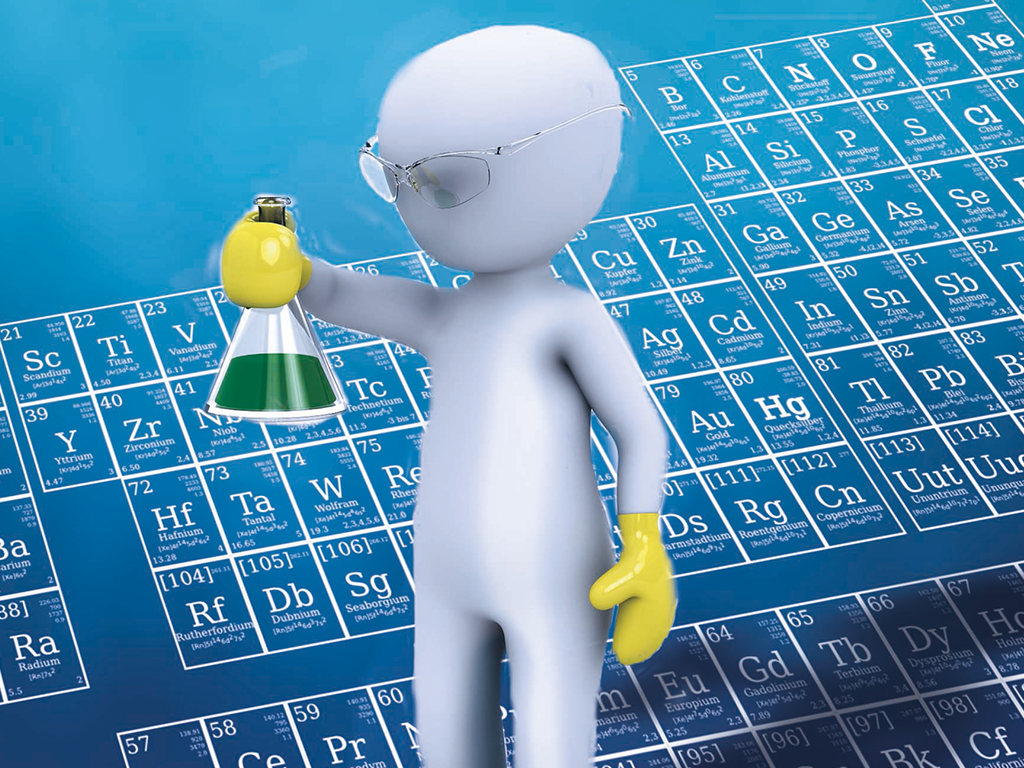
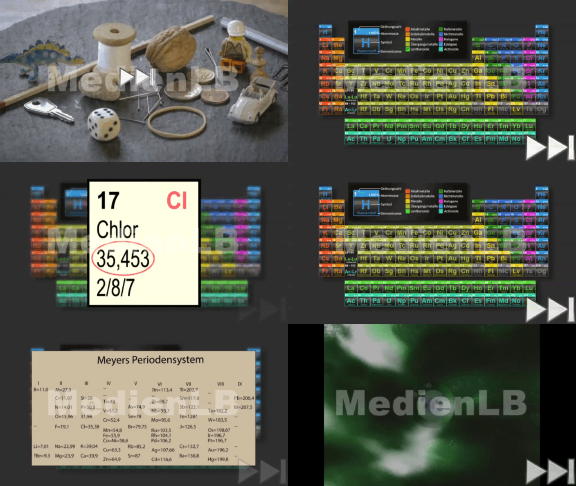
With the help of the periodic system chemists can predict properties of chemical elements and derive chemical reactions. But you need not be a chemist to understand the periodic system.


Fire and Flame
Fire – one of the most important human discoveries. It gives us warmth and light, conveys security and fascinates us with its dancing flames.