







55503281
Kohlenhydrate: zuckersüße Chemie
In 10 interaktiven H5P-Modulen wird Wissen zum Thema Kohlenhydrate vermittelt und anschließend abgefragt.
Das Medium bietet H5P-Aufgaben an, die ohne zusätzliche Software verwendbar sind.
Durch interaktive Aufgabentypen wird das audiovisuelle und interaktive Lernen einfach.
Lernen macht jetzt Spaß!
Included Tasks
- I Nahrungsgrundlage: Kohlenhydrate - Aufgaben mit Video
- II Energiekreislauf - interaktive Aufgabe
- III Zucker ist nicht gleich ZUCKER - interaktive Aufgabe
- IV Aufbau der Kohlenhydrate - Lückentext
- V Fehling-Probe - interaktives Video
- VI Einteilung der Kohlenhydrate - interaktive Aufgabe
- VII Einfachzucker: Monosaccharide - interaktive Aufgabe
- VIII Zweifachzucker: Disaccharide - interaktive Aufgabe
- IX Stärkenachweis - Video mit Aufgaben
- X Kohlenhydrate-Quiz - interaktive Aufgabe
Curriculum-centred and oriented towards educational standards
Matching
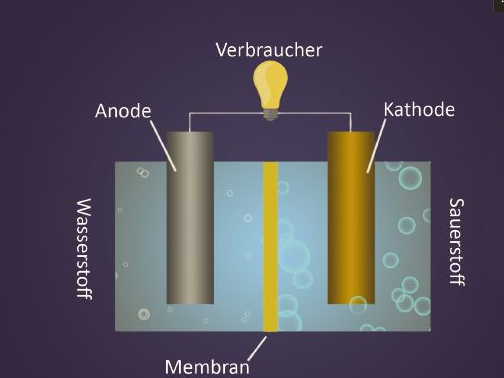
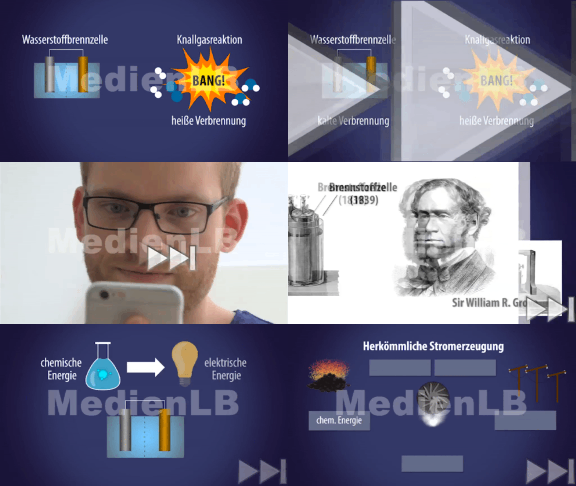
Fuel Cell
A smartphone offers a lot of opportunities nowadays. The numerous apps and applications may enrich your daily life but cost a lot of electricity. It is particularly annoying when the device fails at the most inconvenient moments. Conventional rechargeable batteries are often empty after one day already, and the device needs to be plugged in. Besides many others, also this problem could be solved by using fuel cells – thus considerably increasing the duration of the smartphone.
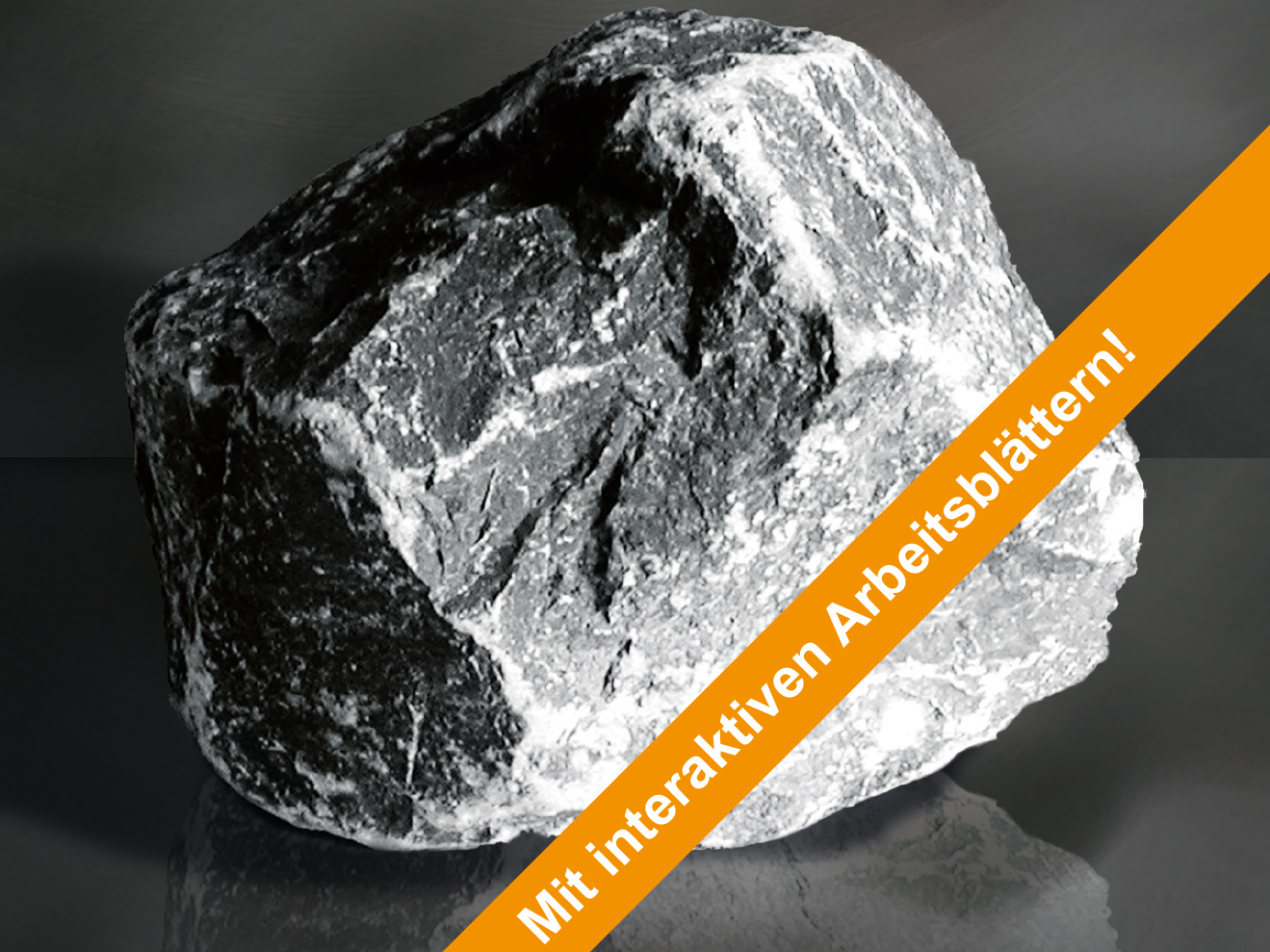
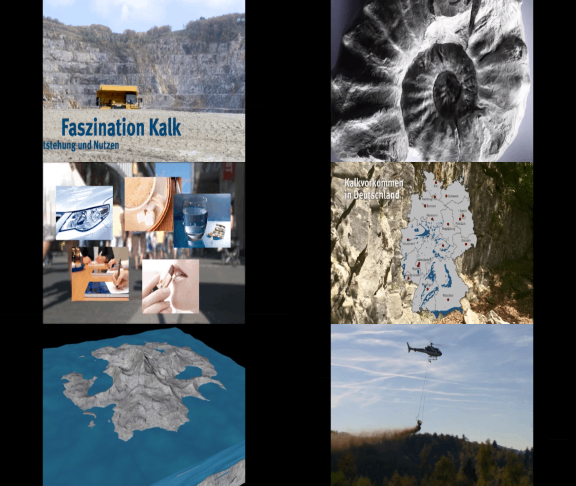
Fascination Lime
Many products used in everyday life are impossible without lime. These are, among others, glass, sugar, paper as well as pharmaceutical and cosmetic products. The raw material is also indispensable in the construction materials industry. Iron and steel producers need limestone, in environmental protection it is used, for example, for air cleaning and drinking water purification.
Materials and Substances of Everyday Life
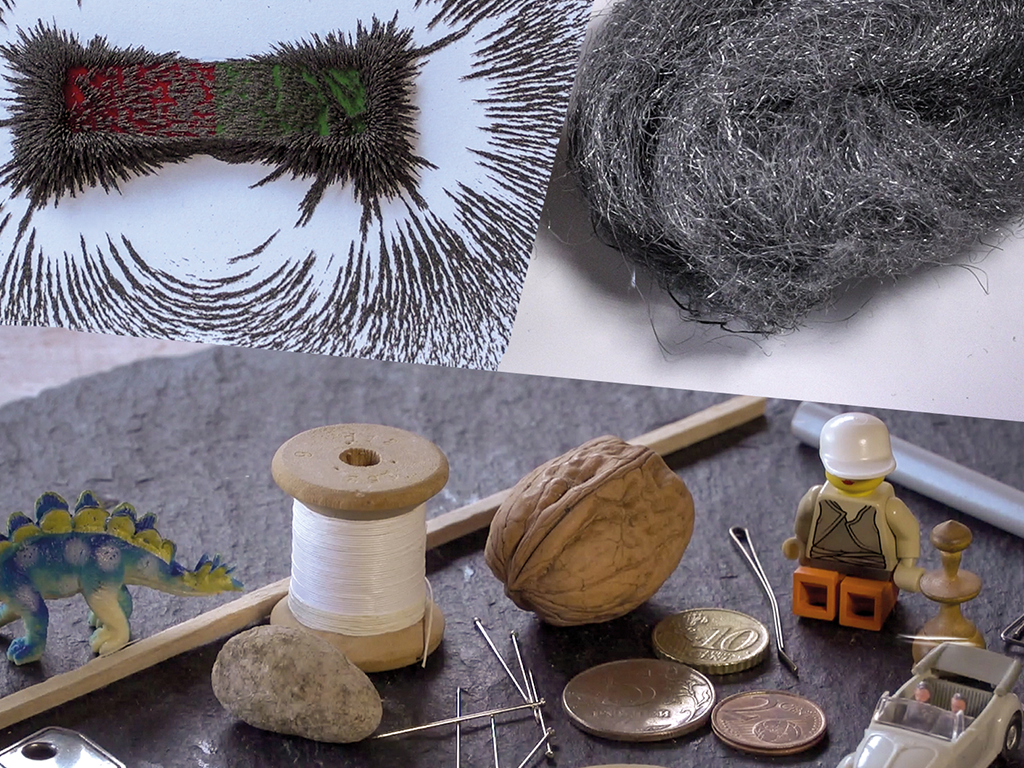
Hearing these words, you first think of the materials our clothing is made of. But all objects surrounding us in everyday life consist of one or several materials.