







 Primary School
46500930 / 55500686
Hydrological Cycle
Precipitation, Drinking Water, Sewage Plant
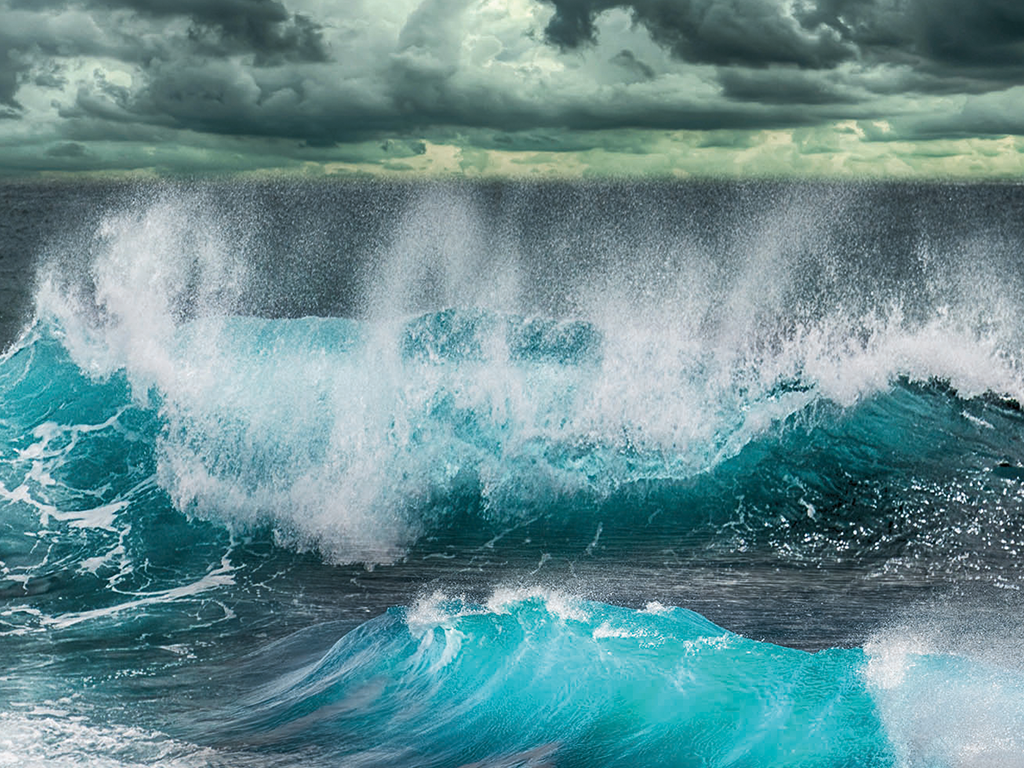
Water is the source of life because life on our Earth originated in, more precisely, under the water. Water is essential for animals, plants and for us humans. Without water survival is impossible. Pure water is transparent, it smells and tastes of nothing. But where does the water come from? Where does it flow? And what happens to the water we do not use? A look at the water cycle explains how drinking and non-potable water is reprocessed from sewage.
Play trailer
Curriculum-centred and oriented towards educational standards
Matching
Resuscitation
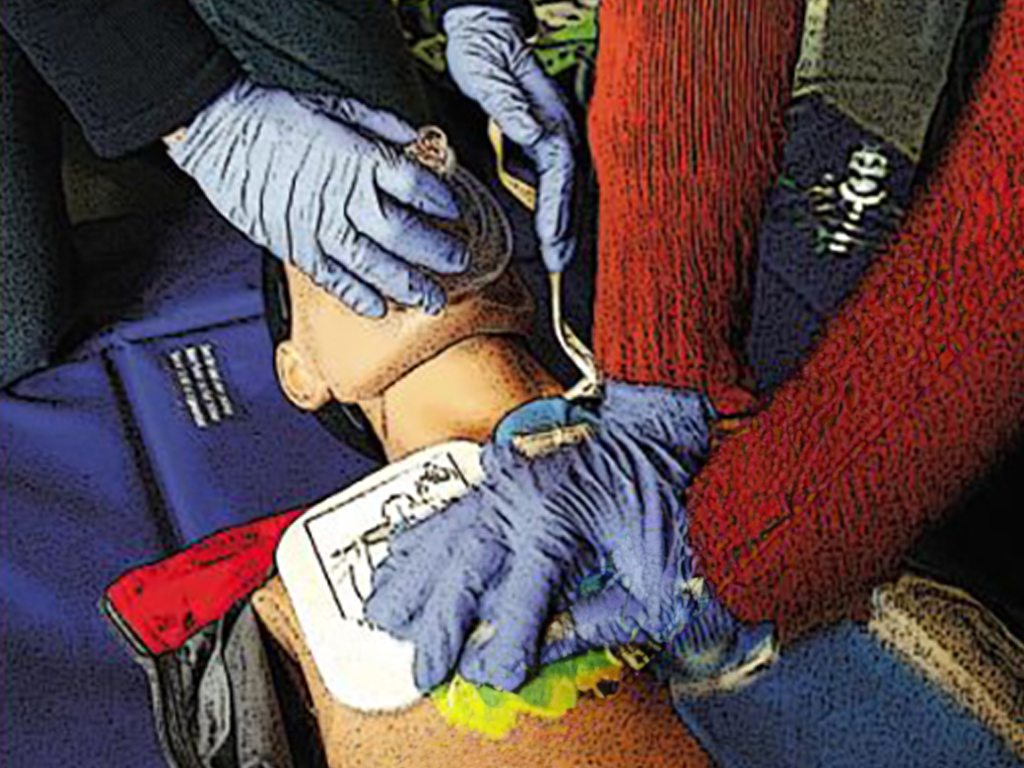
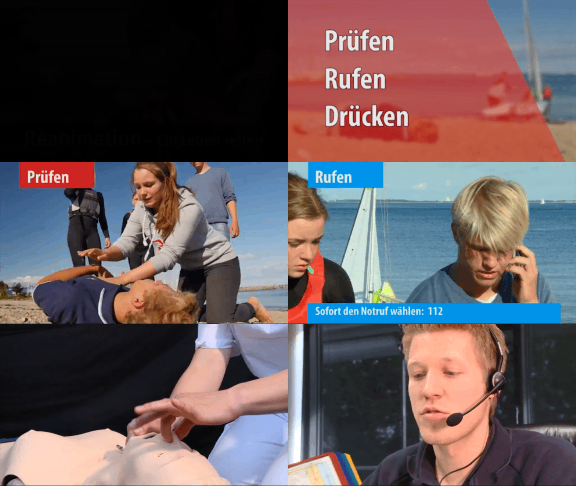
It can happen to anyone – of any age, in any place, at any time. Sudden cardiac arrest may quickly prove fatal. Immediate action is called for! Just remember: Check Call Press Anyone can do it. You can't do anything wrong!
Ideals of Beauty
1. What Is Beautiful?
Inclusion
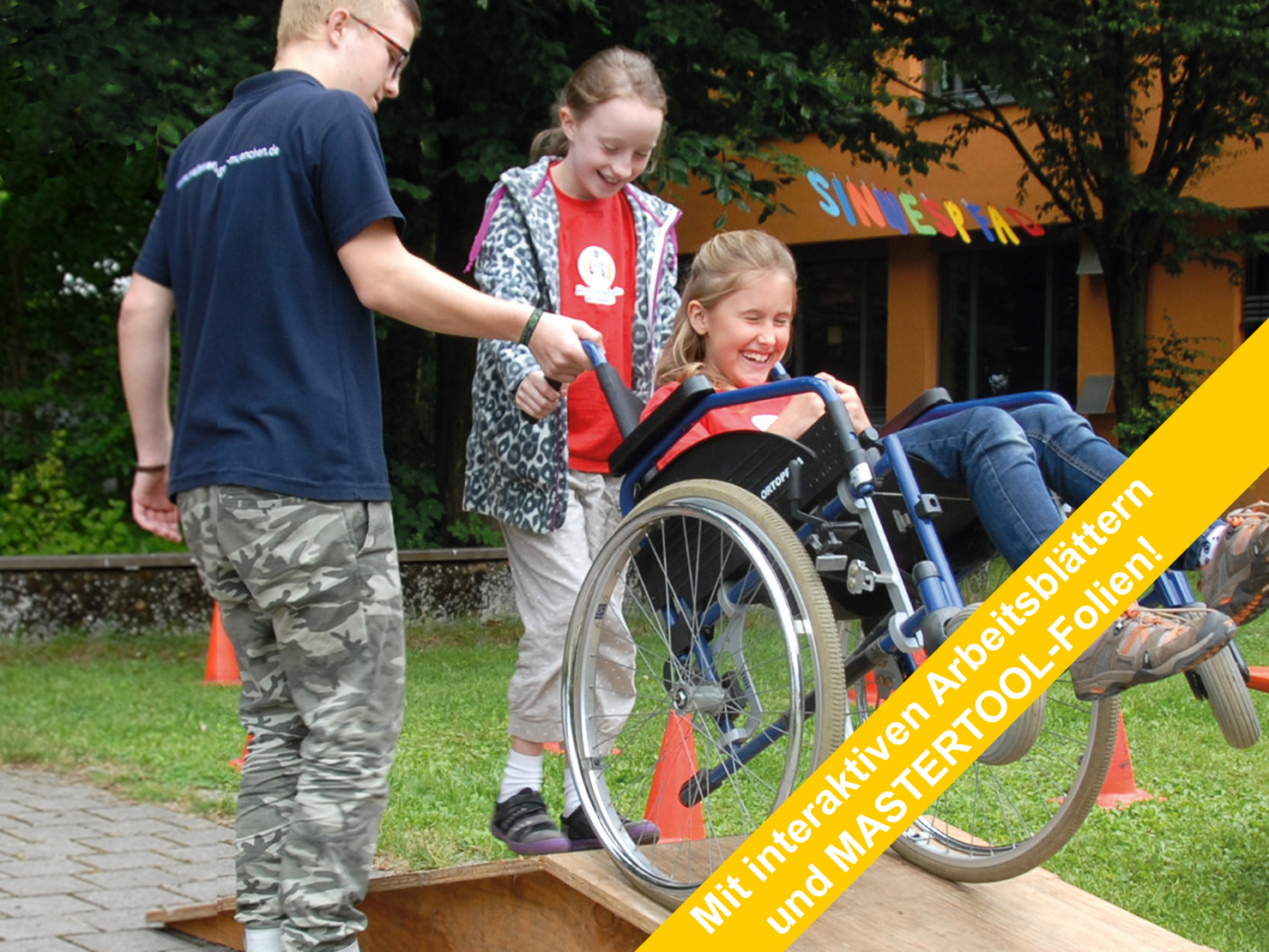
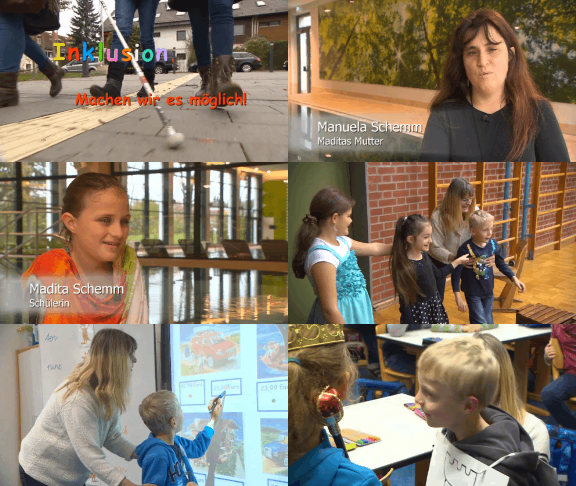
Madita is eleven and blind. She does not want to go to a special school but to a regular grammar school. She says she feels "normal" there. Jonathan is eight and has a walking disability. He likes going to the school where he lives. Here, his best friend sits next to him. Max Dimpflmeier, a teacher who is severely deaf, explains that school life is not easy. Quote Max Dimpflmeier: "You don't want to attract attention, you want to avoid saying that it is necessary for you that 70 people adjust to your situation." People on their way to inclusion.