







 Biology

4677059 / 5564354
Hidden Sugar
Avoid the Sweet Trap!
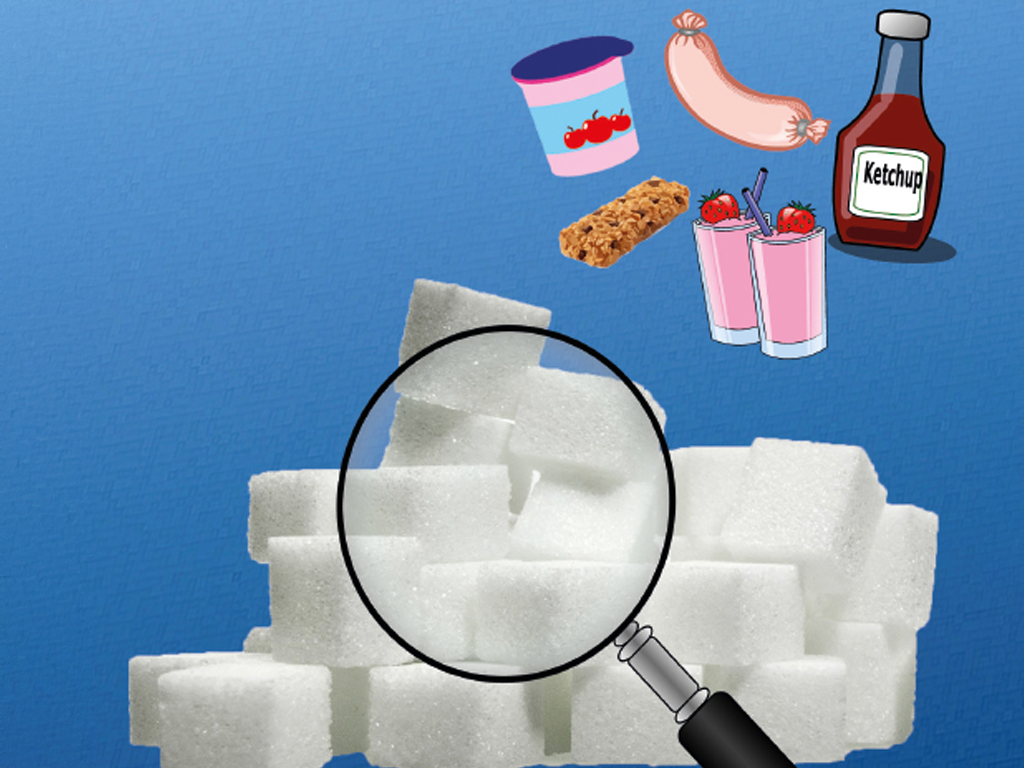
Sugar is ever-present in our lives. It is an important supplier of energy, but too much sugar poses a threat to our health. Often we do not even know that sugar was one of the main components of the food we have just eaten because the food industry is reluctant to reveal how much of this sweet ingredient is actually hidden in its products. A lot of sugar is not only used for sweets but also for foods like coleslaw, yoghurt, instant coffee, curried sausages and many, many more products. Unknowingly, we consume more sugar than is good for us.
Play trailer
- <> Languages: DE, EN
- <> Target Groups: Sek I
- <> Subject: Biology
- <> Length: 20:11 min
- View in learning platform
Licenses

Curriculum-centred and oriented towards educational standards
Matching


Tolerance
“Tolerance means being generous and kind to other people and helping them, too.”


Product Piracy
Counterfeiting takes place in almost all economic sectors – textiles, watches, car parts, machine parts, tools, accessories, software and medicines. Some counterfeits are easy to recognise, others are so well-executed that even experts have difficulty distinguishing between original and imitation. This DVD covers the development of a product from idea to manufacture. Once a product has become a trademark, product pirates appear on the scene.


Internet Addiction
The film consists of two parts. The first part is the 15-minute short film “In the Net”. It describes the problem of excessive Internet use in a humorous way, in particular the risk of losing touch with reality when chatting. The second part illustrates with three real persons how Internet addiction can develop and the problems encountered by those who are afflicted. The authentic statements are commented by an experienced therapist. For many pupils, the issues addressed here are related to their everyday lives. What is a “sensible” use of the Internet, where does pathological addiction start? In contrast to addiction to alcohol, nicotine or drugs, the public seems to be largely ignorant of the problem of this addiction, which is not related to any substance abuse. The film provides material for discussion in the classroom (crossdisciplinary) and can be used as a basis for the formulation of prevention strategies.