







 Geography
46503510 / 55502984
Geologic Activities
Volcanoes, Geysers, Continental Plates
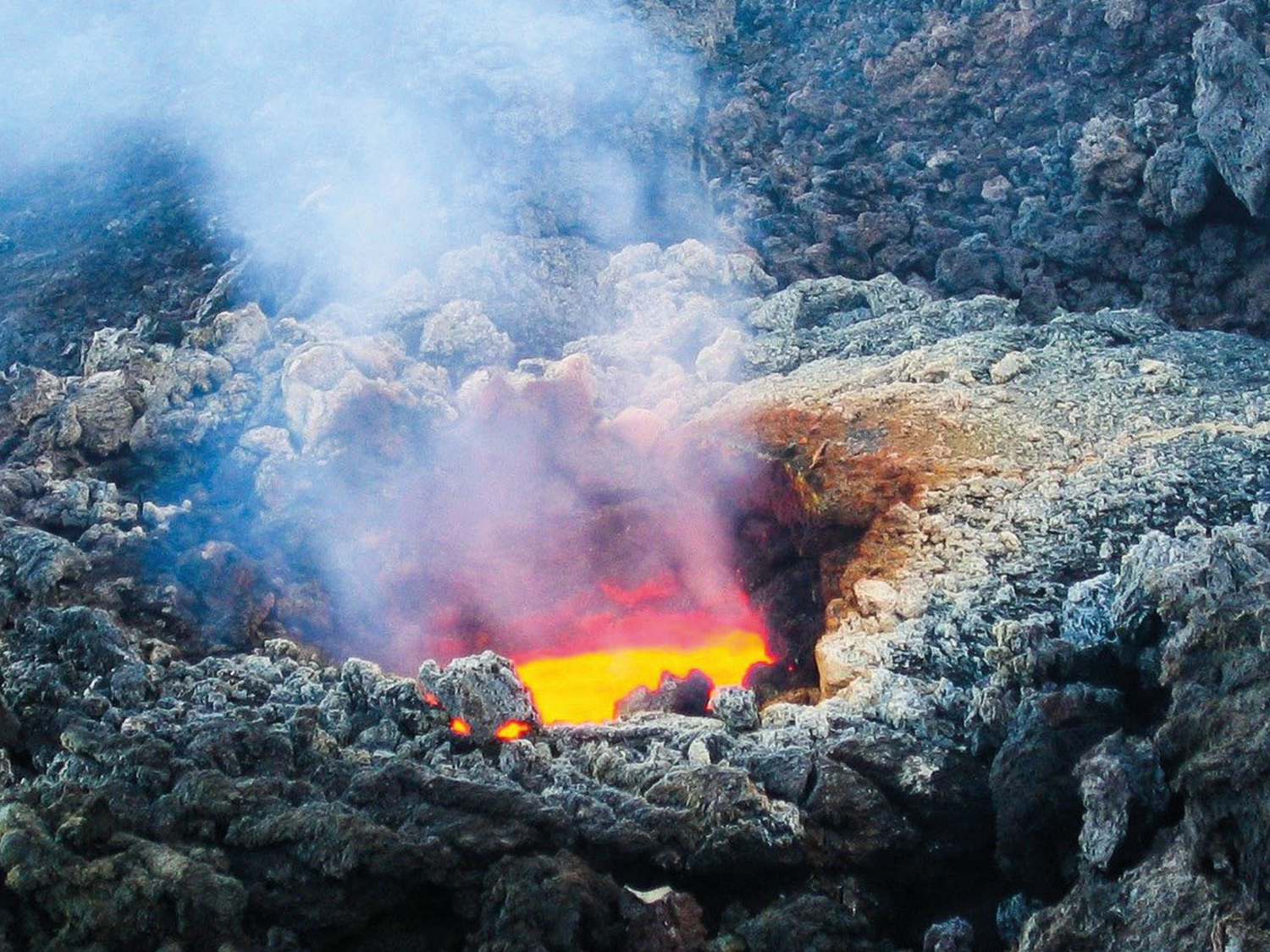
The formation of our earth began according to today's knowledge from a huge cloud of dust and gases about 4.6 billion years ago. Very vividly and clearly structured, the film depicts plate tectonics on the outer cooled earth shell. The continental plates drift apart, collide or push past each other. Numerous spectacular shots from Iceland show the earth's activity in action. In some places, the enormous heat from deep within the Earth is conducted outward as if through a valve. Volcanoes are formed where the hot viscous rock from the interior of the earth reaches the outside. Geysers and hot springs are formed because water is heated underground by volcanic activity and then makes its way to the surface through a maze of cracks and crevices. In combination with the extensive additional material (worksheets, interactive tasks), this medium can be used excellently in the classroom. In the detailed data section of the DVD 91 pages of teaching and accompanying material, of which: 26 pages of worksheets and supplements with solutions 17 test tasks 10 interactive tasks
Play trailer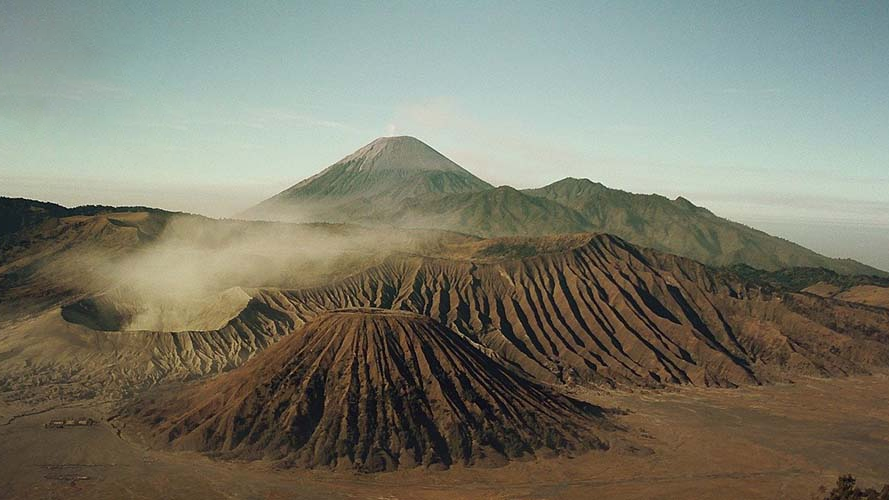
Curriculum-centred and oriented towards educational standards
Matching

Gesteine
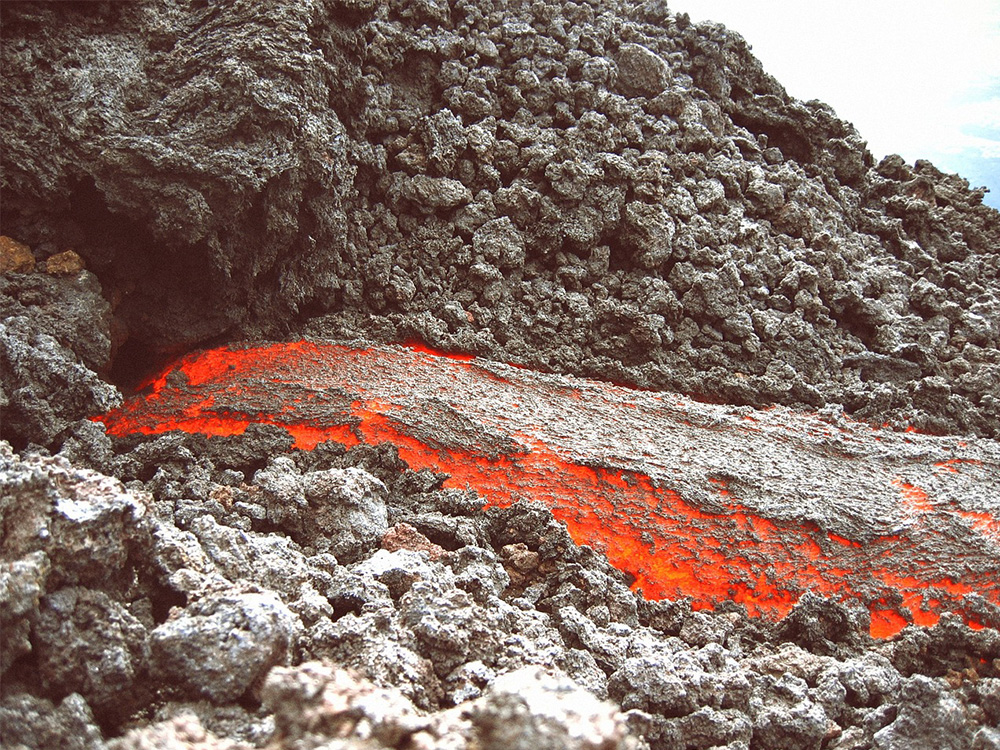
Massivgebirge und Sandkörner haben eines gemeinsam: Sie zählen zu den Gesteinen und sind damit in den geologischen Prozess des Gesteinskreislaufs eingebunden.

The Daily Newspaper
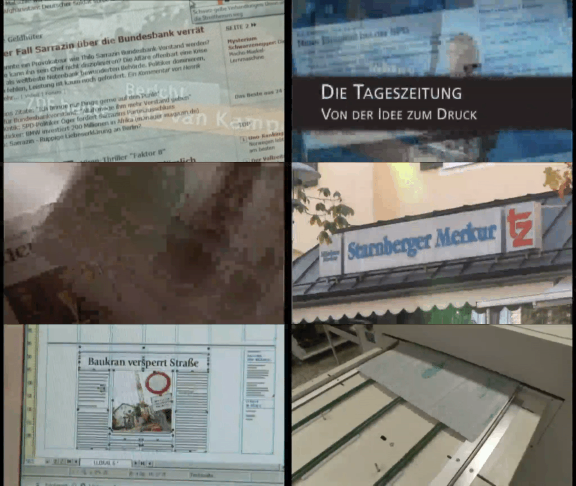
Every day, there is a surge of news reaching us via different news channels. In spite of TV and Internet, the daily paper still is one of the most important main sources of news. But how is a newspaper created? The film shows the production of a paper in the course of one day. Starting with the editorial meeting in the morning, in which the topics and deadlines are determined, the film accompanies a journalist during her research work. You can see how a journalistic interview is conducted and what the photographer must consider when taking a press photo. Back in the editorial office, the editor’s work is illustrated, which includes the page layout and the writing of an online article in today’s time. Impressive pictures from the printing centre depict the process from the digital page to the finished newspaper. Together with the comprehensive accompanying material, the DVD is perfectly suited for use at school


Blogging
The weblog or blog, for short, as a medium is not much older than this century. Blogs came into being in the World Wide Web as ’messages from below’, as web pages from web creators who wanted to share their view of the world with the world. They are short notes, long texts, pictures, videos, which are posted loosely and at random intervals to the world for an undefined public.