







 Primary School

46500909 / 55500665
Domestic Cat
Breeds and Behaviour
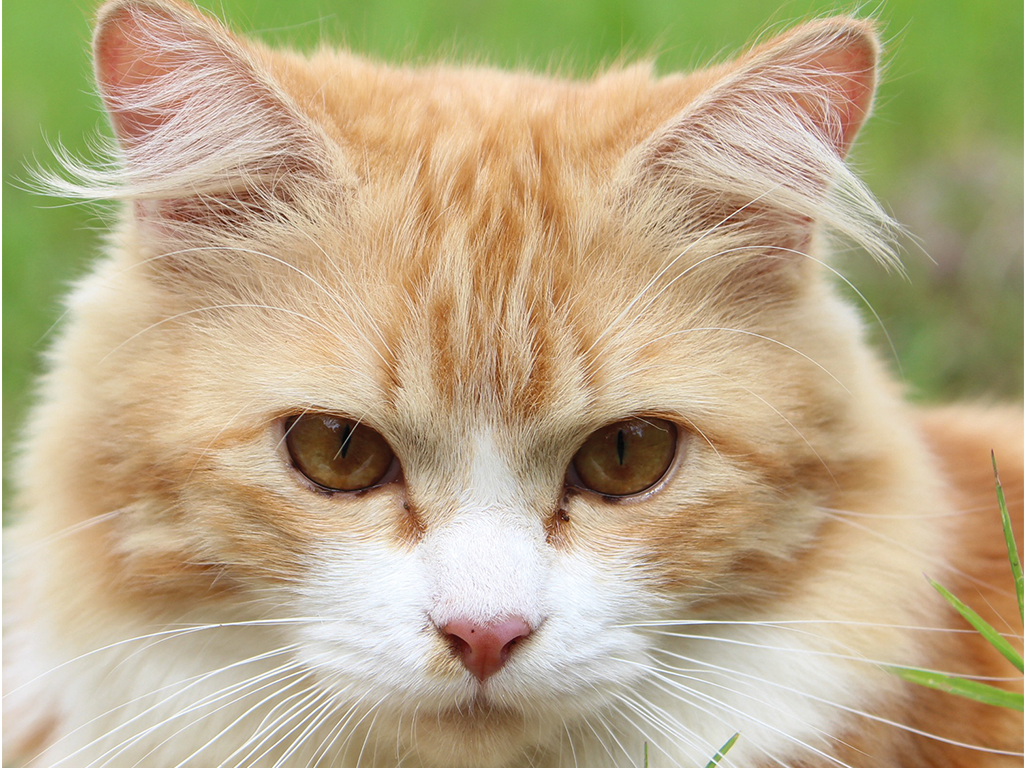
Nobody has actually counted all of them but it is estimated that there are about 200 million domestic cats in the world. In Germany alone live abou 14 million. That makes it the most popular pet in this country. It is not easy to describe what makes the cat so appealing to humans. On the one hand, cats are playful, affectionate pets which seek the proximity of humans and love being petted, cuddled, fed and tended by them. On the other hand, they are of a wild independent character, which they have retained despite the long time they have spent with people as domesticated pets. Although they are called house cats, they are still predators deep inside that go hunting in nature. Due to this apparent contradiction and a certain inscrutability and inexplicability of their nature, they are often endowed with an air of mystery and magic. This also explains why in fairy tales and stories cats so often appear as magical creatures. The ancestors of today’s domestic cat originated from the Egyptian region. The Egyptians were also the first people to keep cats as pets about 3,000 years ago. Cats presumably sought the vicinity of human settlements because there it was easy to get at their prey, such as mice or rats. And people were grateful to the cats because they hunted mice and rats. The veneration of the Egyptians went so far as to worship a cat goddess, who represented gaiety and warmth.
Play trailer
- <> Languages: DE, EN
- <> Target Groups: GS
- <> Subject: Primary School
- <> Length: 23:30 min
- View in learning platform
Licenses
Curriculum-centred and oriented towards educational standards
Matching

Mobile Learning II
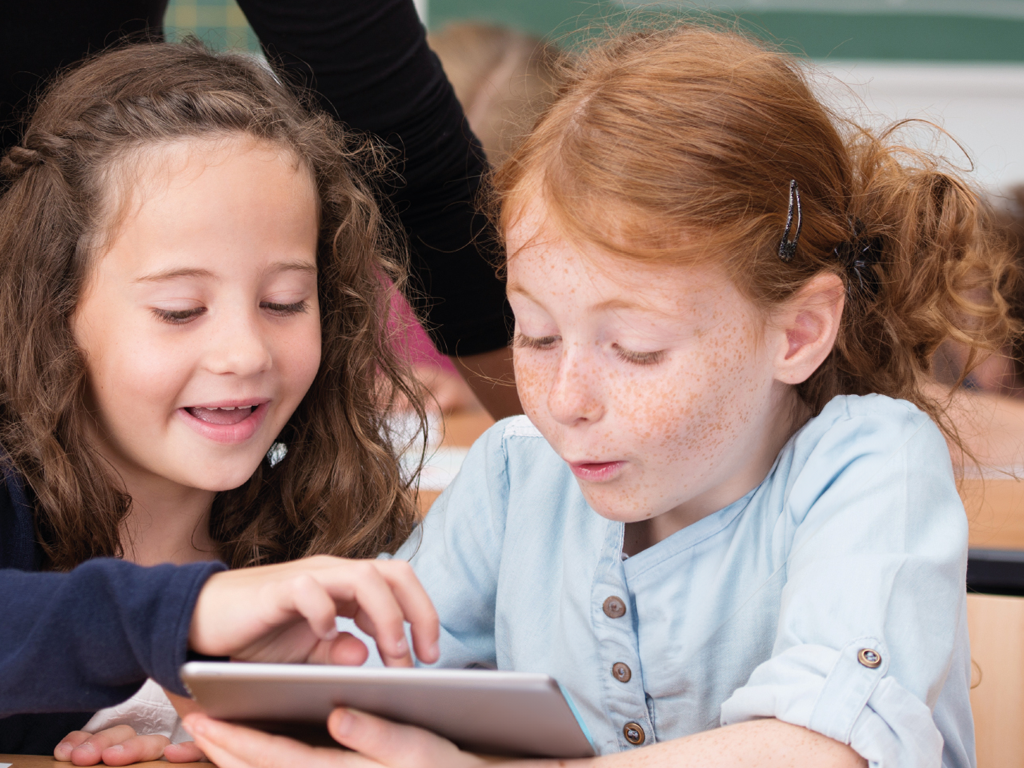
Oh, what’s that? Original soundtrack Thissen: “As our children grow up in a media world and naturally handle the media, they should also be a topic in school.“ An older child says the point is that they don’t just load down apps but create things themselves that haven’t existed so far. Hi, I’m Jana. A propeller hat. I’ll put it on. Now I’m no longer a simple rhino, but a flying rhino. Original soundtrack Thissen: “It’s exactly the great flexibility of tablets that promotes very personalised and adapted learning.” Original soundtrack Welzel: “It’s fascinating to see how the children grow with their products and how they always want to improve them.” The Westminster Abbey is a church in London for the royal family. Original soundtrack Welzel: “And?“ They think it is ok.


Internet Addiction
The film consists of two parts. The first part is the 15-minute short film “In the Net”. It describes the problem of excessive Internet use in a humorous way, in particular the risk of losing touch with reality when chatting. The second part illustrates with three real persons how Internet addiction can develop and the problems encountered by those who are afflicted. The authentic statements are commented by an experienced therapist. For many pupils, the issues addressed here are related to their everyday lives. What is a “sensible” use of the Internet, where does pathological addiction start? In contrast to addiction to alcohol, nicotine or drugs, the public seems to be largely ignorant of the problem of this addiction, which is not related to any substance abuse. The film provides material for discussion in the classroom (crossdisciplinary) and can be used as a basis for the formulation of prevention strategies.
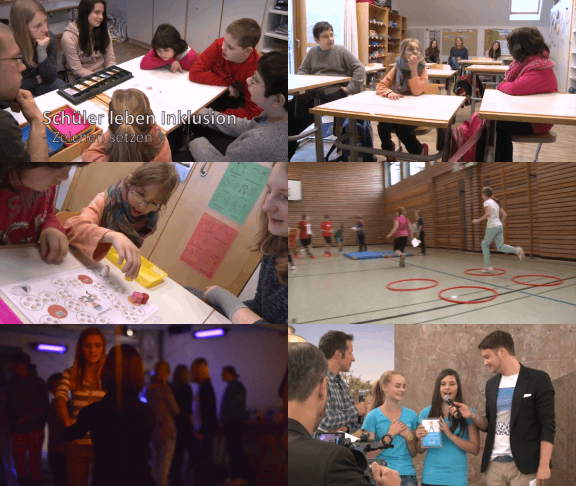
Pupils Practise Inclusion
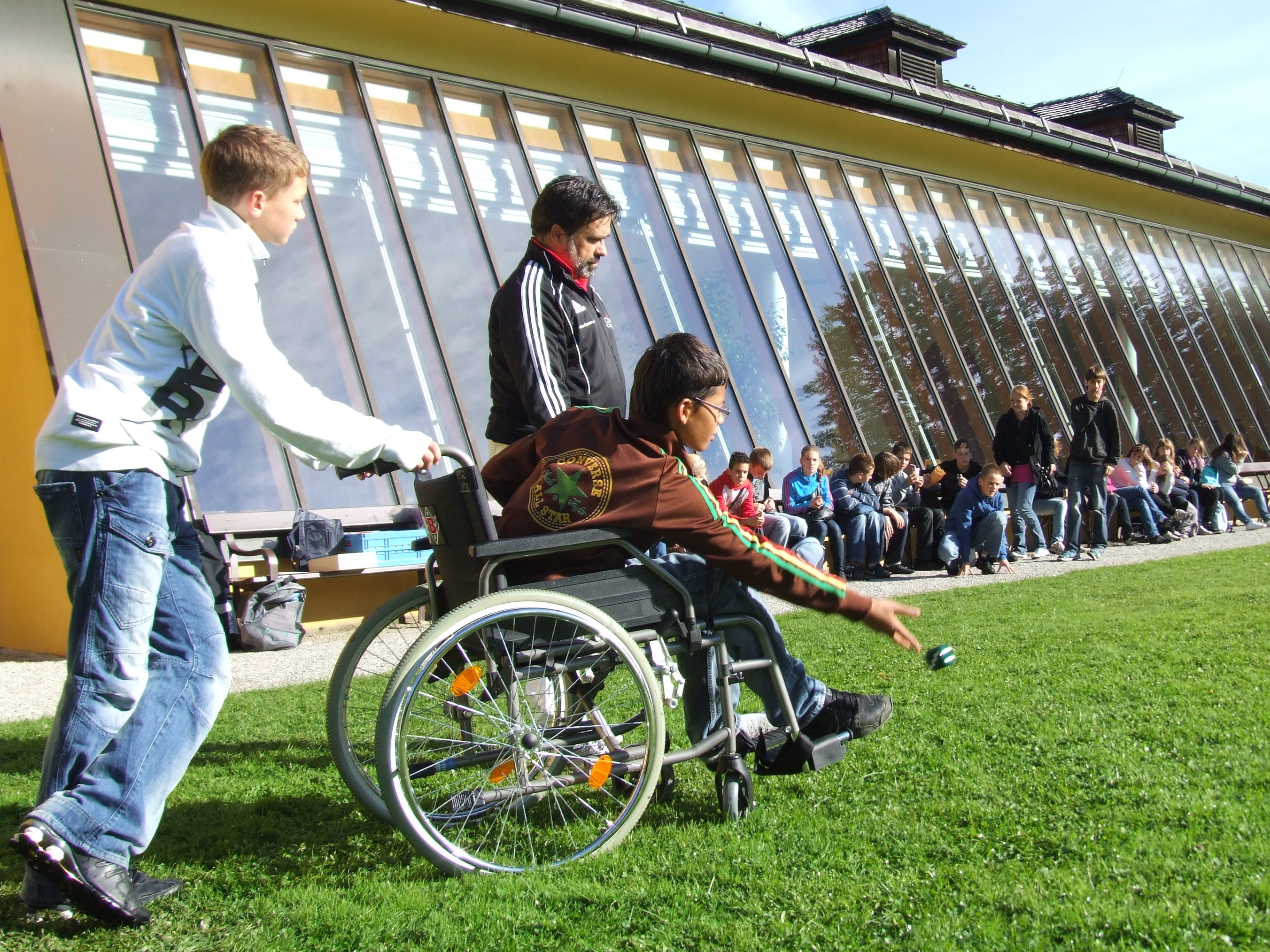
When people come together, no matter under what concomitant circumstances – ultimately, it is about how these people meet and how openly they interact with one another.