






 Primary School
46502151 / 55501776
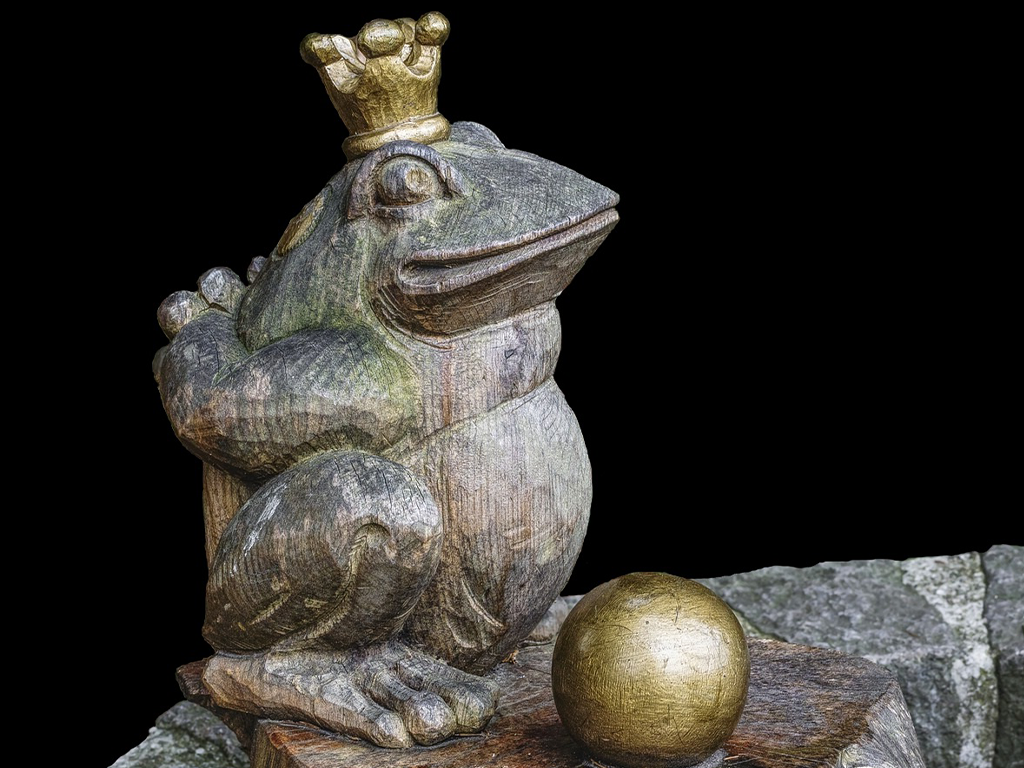
Der Froschkönig
Der Eiserne Heinrich
Das Märchen vom Froschkönig ist eines der bekanntesten deutschen Märchen. Der Film zeigt in liebevoller Darstellung vor prächtiger Kulisse das Märchen von der Prinzessin, die ihr Lieblingsspielzeug in einem Brunnen verlor und von einem Frosch aus ihrer Not gerettet wurde. Szenische Darstellung und Tricktechnik machen das Märchen lebendig und bringen es so den Schülerinnen und Schülern nahe. In Verbindung mit dem umfangreichen Zusatzmaterial lässt sich das Medium hervorragend im Unterricht verwenden. Die interaktiven Aufgaben, die Testfragen und das Glossar wurden mit H5P erstellt und können ohne weitere Software verwendet werden.
Play trailer
Curriculum-centred and oriented towards educational standards
Matching


Altersarmut
Innerhalb von 52 Jahren hat sich in der Bundesrepublik das Verhältnis von Beitragszahlern für die Rente zu den bestehenden Rentnern um den Faktor 3 verschlechtert. Sind 1962 noch 6 Erwerbstätige für die Rentenzahlung eines Rentners aufkommen, so mussten 2014 zwei Erwerbstätige für die Rentenzahlung von einem Rentner aufkommen. Die Altersarmut in Deutschland steigt. Denn nur wer 40 Jahre ohne Unterbrechung mindestens 2.100 € verdient hat, bekommt als Rente mehr als den Hartz-IV-Satz ausgezahlt. Beschäftige im Niedriglohnsektor oder in Teilzeit können selbst nach 45 Jahren Arbeit nicht von ihrer Rente leben. Vielen Rentnern bleibt nur der entwürdigende Weg zum Arbeitsamt.

ADHS
Die ADHS, die Aufmerksamkeitsdefizit-/Hyperaktivitätsstörung gehört zur Gruppe der Störungen von Verhalten und Emotionen. Wissenschaftler gehen davon aus, dass in jeder Klasse zwei bis drei Betroffene sitzen.