







 Geography

46502146 / 55501771
Climate Phenomena
Impact of El Nino on the Weather
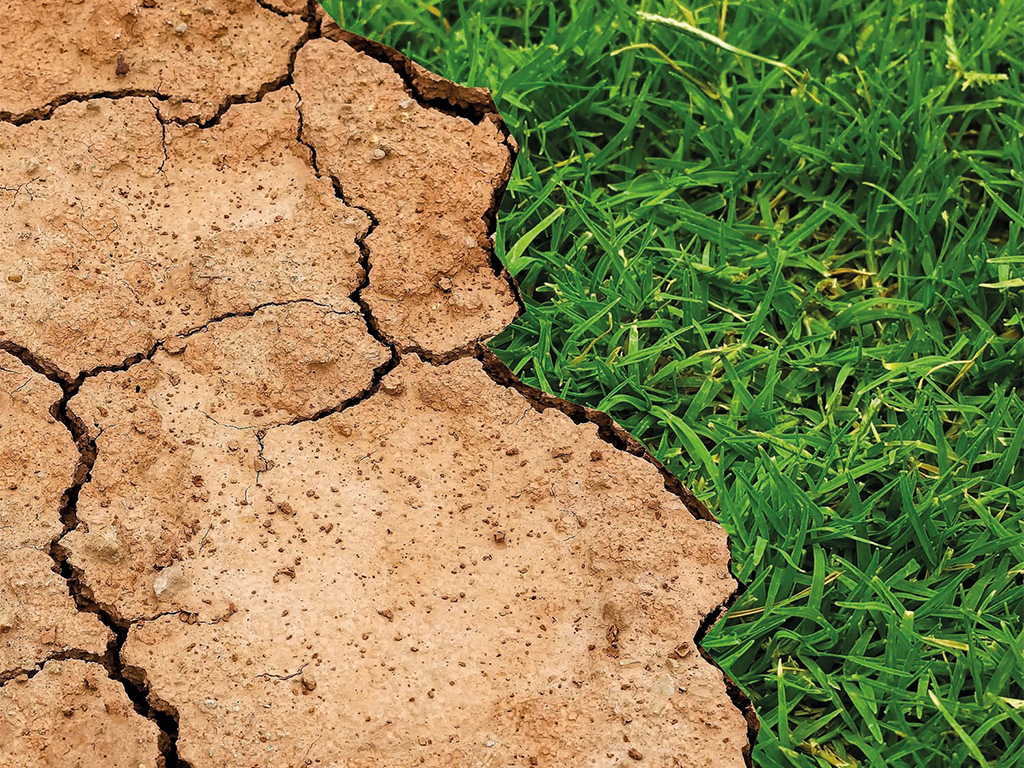
Weather, atmospheric condition and climate must be clearly distinguished. Weather describes the current state of the atmosphere surrounding us in a certain place. That means that the weather may change by the day or even at hourly intervals, and that the weather on Earth differs considerably. Our Earth is surrounded by a thick envelope of air which is composed of different layers. This envelope of air is called atmosphere. The weather takes place in the lowest layer of the atmosphere, the troposphere. Due to the Earth’s gravity, it is the densest part of the atmosphere because it contains 80 per cent of the air and almost all gaseous water, which is the moisture bound in the air. The driving force of all weather events and the constantly revolving masses of clouds and air in the troposphere is the sun. Through light and heat radiation the sun provides energy and is like an engine powering our weather. So the foundations of the weather are the warming sunrays, the water in its hydrological cycle and the air which surrounds us with its pressure balancing wind flows that mix and react with one another according to simple physical laws. When these components are available in various amounts, elemental weather phenomena such as fog, clouds, rain, snow, wind, frost and sunshine are formed. The weather often changes daily and sometimes even several times a day and is almost never the same everywhere. So weather is the momentarily perceptible state of the lower atmosphere, the troposphere, in a specific place at a specific time. In the course of a year, the large-scale weather pattern can also remain the same for some days or weeks. Typical characteristics of similar weather are called atmospheric condition.
Play trailer
- <> Languages: DE, EN
- <> Target Groups: Sek I, Sek II
- <> Subject: Geography
- <> Length: 20:04 min
- View in learning platform
Licenses
Curriculum-centred and oriented towards educational standards
Matching
The Daily Newspaper
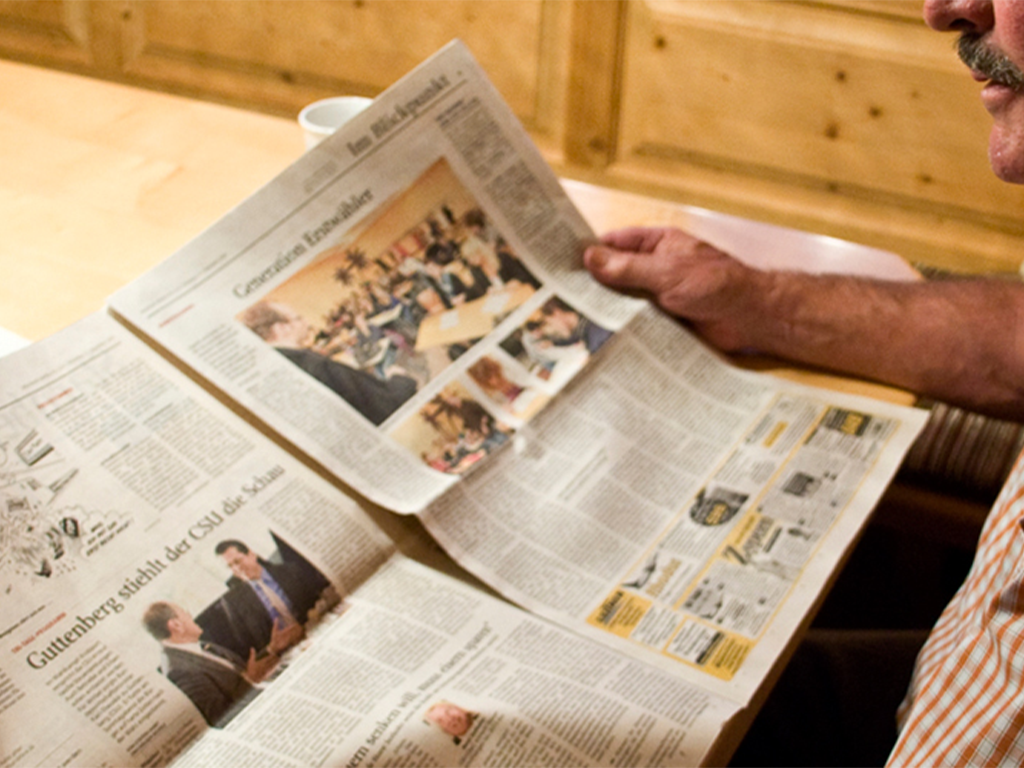
Every day, there is a surge of news reaching us via different news channels. In spite of TV and Internet, the daily paper still is one of the most important main sources of news. But how is a newspaper created? The film shows the production of a paper in the course of one day. Starting with the editorial meeting in the morning, in which the topics and deadlines are determined, the film accompanies a journalist during her research work. You can see how a journalistic interview is conducted and what the photographer must consider when taking a press photo. Back in the editorial office, the editor’s work is illustrated, which includes the page layout and the writing of an online article in today’s time. Impressive pictures from the printing centre depict the process from the digital page to the finished newspaper. Together with the comprehensive accompanying material, the DVD is perfectly suited for use at school
Seal of approval
Quality seals such as the "Bio-Siegel", "Blauer Engel", "Stiftung Warentest" and up to 1,000 other seals represent characteristics such as sustainability, health or safety with regard to a product, a service or even a company.
Ceramic
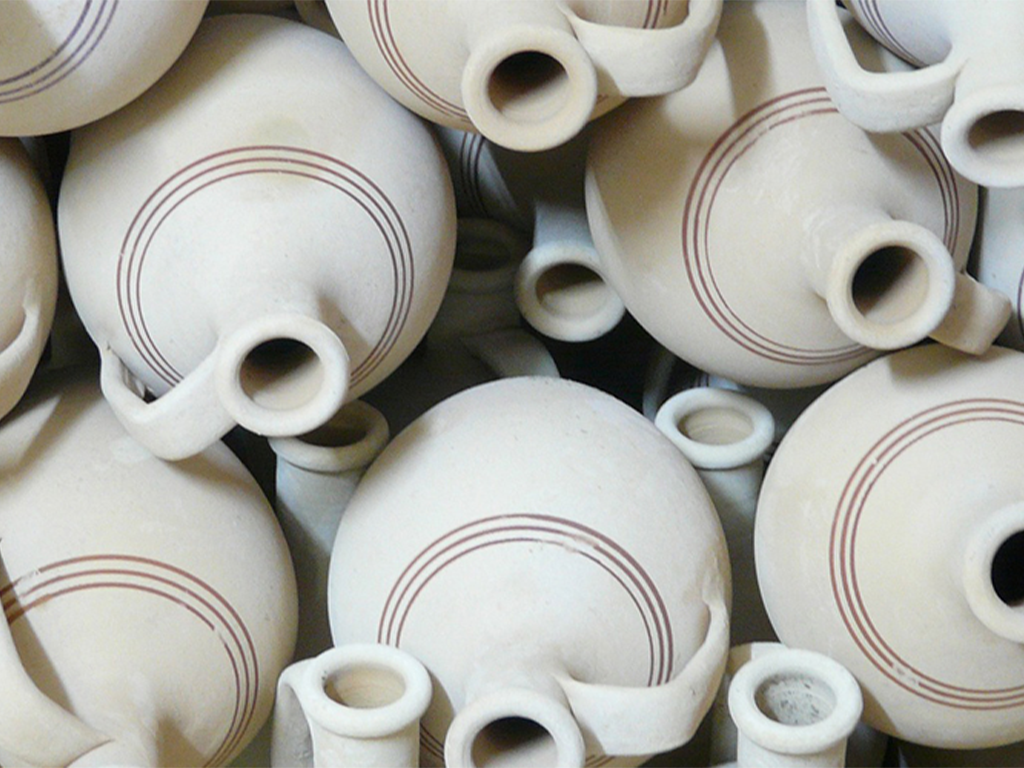
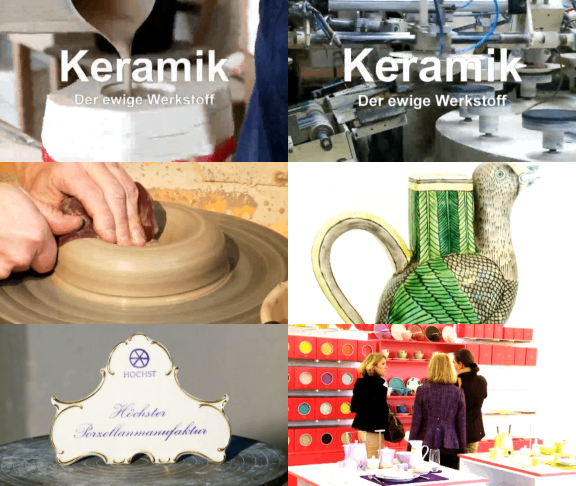
Ceramics are indispensable in our everyday lives. We eat from ceramic plates, drink from ceramic cups, use tiled ceramic bathrooms. But how is ceramic manufactured? The film reveals the secrets of this fascinating material! We get to know more about the beginnings of ceramic in the Old World of Egypt and Mesopotamia, about Greece, China and Rome. We gain interesting insights into the valuable earthenware and are also shown the exquisite further development of the "white gold". Today this versatile material is irreplaceable in industry, too. Whether in space or as an easily compatible substitute in medicine, ceramic is applied in many places.