







 Chemistry
4665871 / 5558096
Carbohydrates
Chemistry as Sweet as Sugar
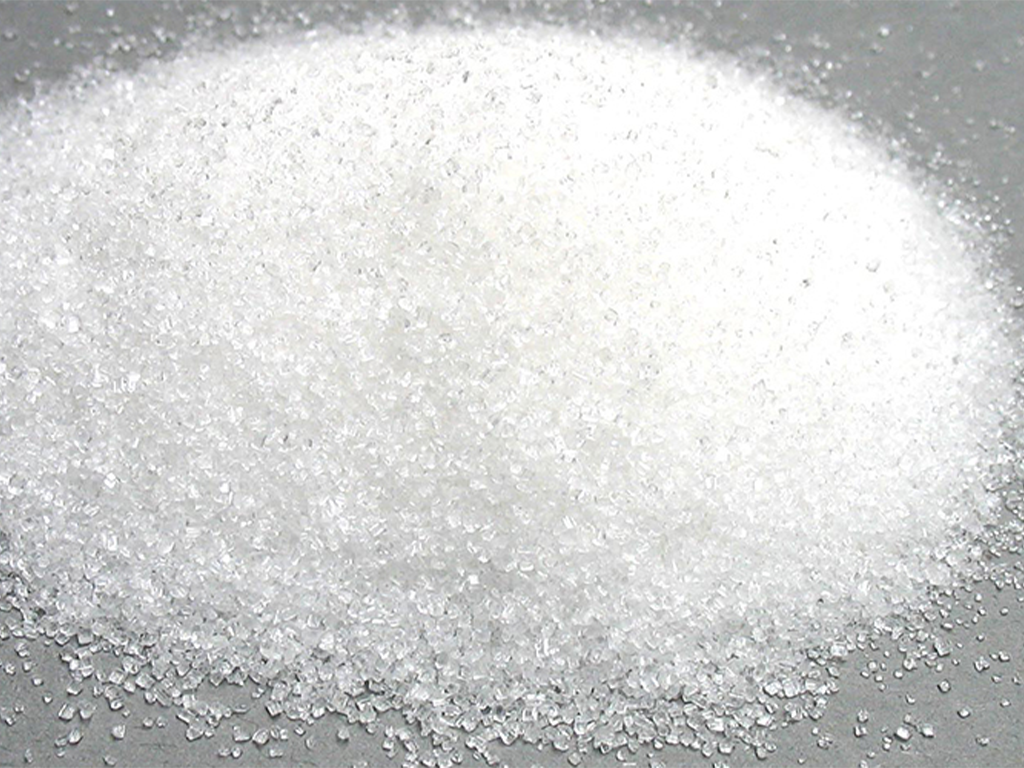
The term carbohydrate or saccharide is a collective name for all substances with the chemical formula Cn(H2O)n. Carbohydrates are the basis of nutrition. They are part of our diet as starch, glucose (grape sugar), fructose (fruit sugar), lactose (milk sugar) and saccharose (beet, cane or table sugar). Important suppliers of carbohydrates are potatoes and cereals such as rice, wheat, maize, millet, rye and oats. The various carbohydrates in our foods are introduced to the pupils. The characteristics of polysaccharides, disaccharides and monosaccharides are explained to them and in which foods these substances occur and how they are structured. In addition, the different origins of starch, starch degradation products, gelling agents as well as sugar alcohols in confectionery are dealt with. The DVD shows how various substances can be detected with the help of chemical processes. Together with the extensive accompanying material the DVD is ideally suited for use in the classroom.
Play trailer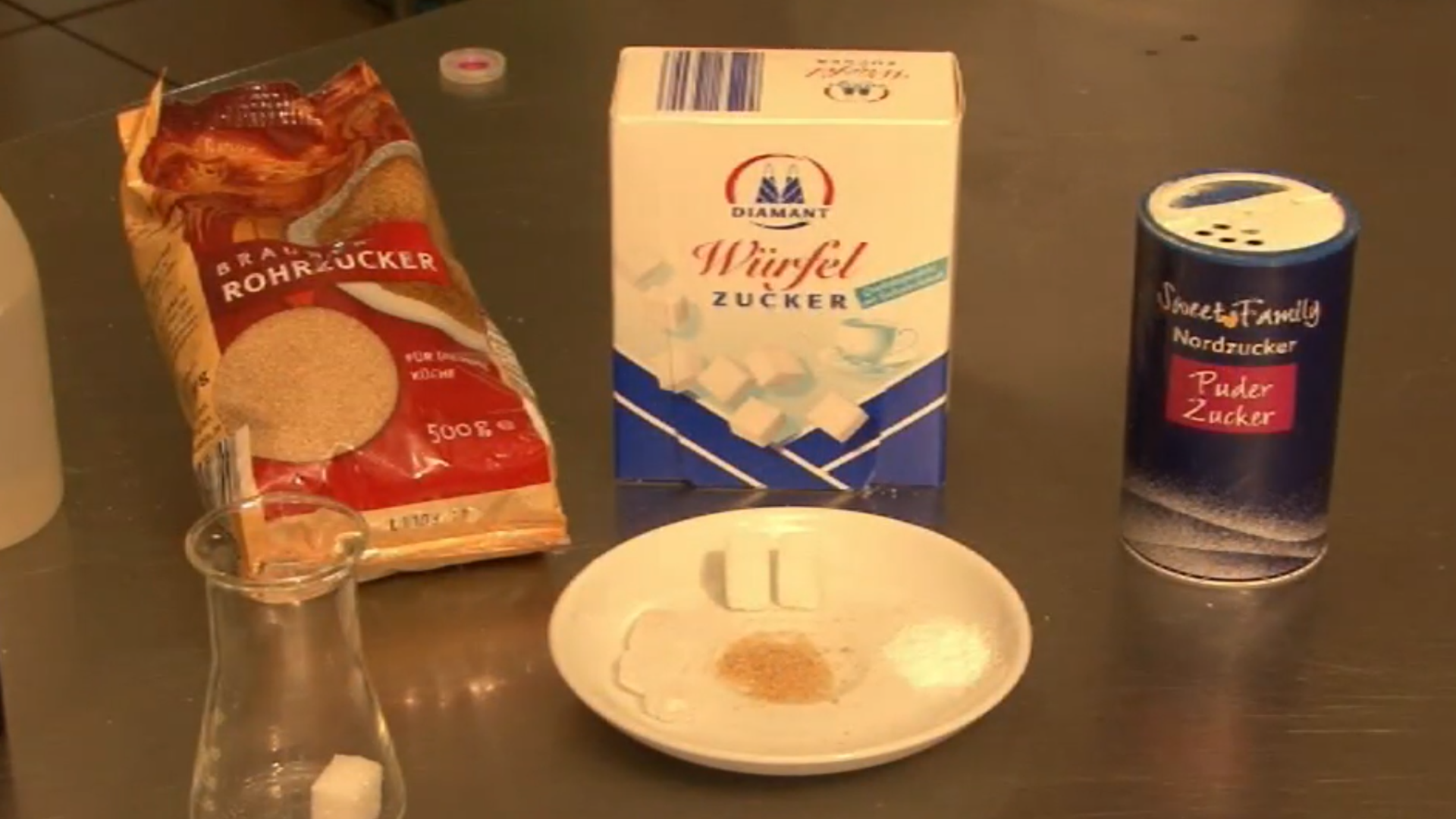
Curriculum-centred and oriented towards educational standards
Matching
Product Piracy
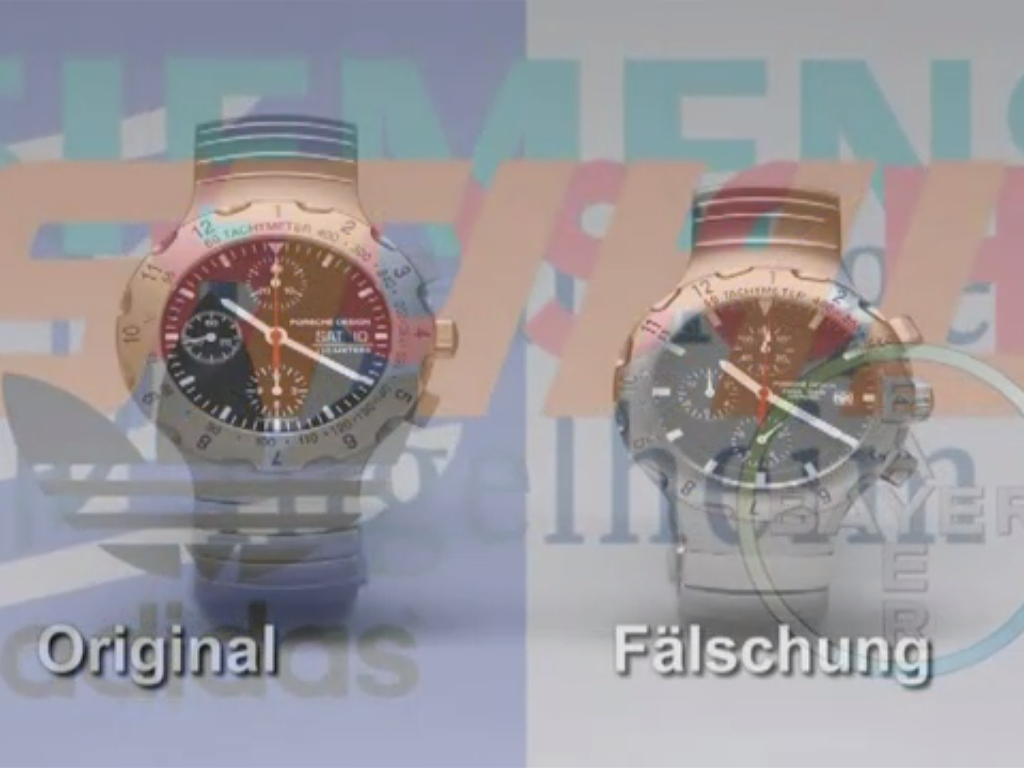
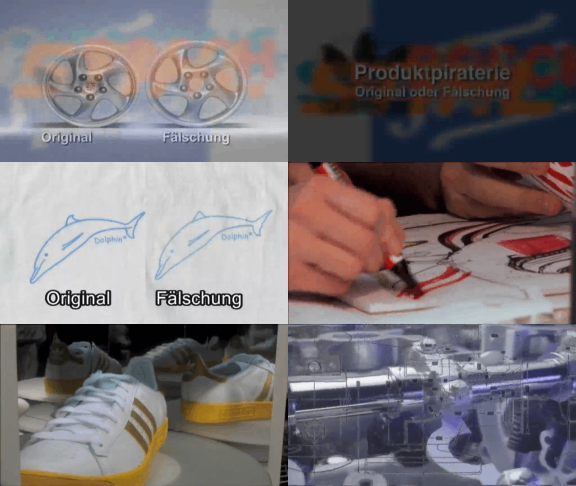
Counterfeiting takes place in almost all economic sectors – textiles, watches, car parts, machine parts, tools, accessories, software and medicines. Some counterfeits are easy to recognise, others are so well-executed that even experts have difficulty distinguishing between original and imitation. This DVD covers the development of a product from idea to manufacture. Once a product has become a trademark, product pirates appear on the scene.
Peer Mediation
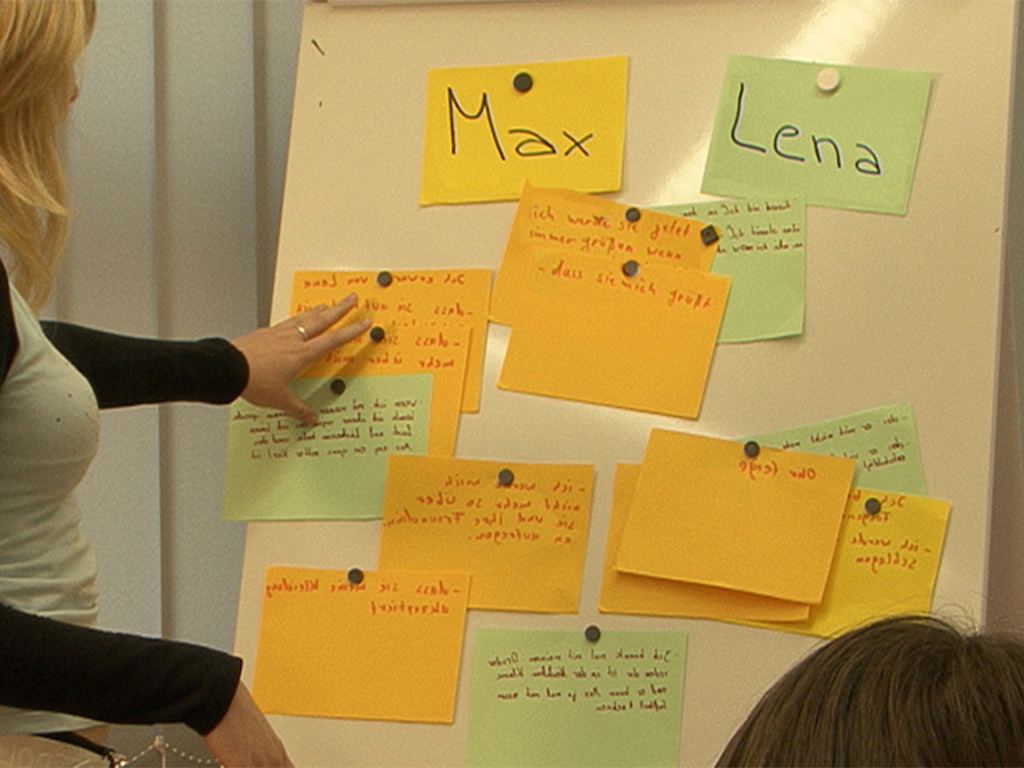
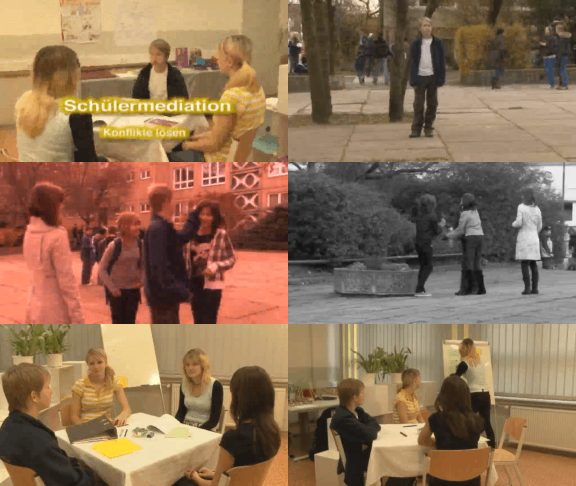
Lena and Max attend the 7th form. Max is new in class. During a break, Max notices that Lena and her friend are laughing at him again. Max loses his temper! He slaps Lena in the face. That hurts and Lena runs back into the classroom with a red cheek. The growing conflict between the two has escalated. Just like Lena and Max, every day pupils all over Germany have rows with each other. At the Heinrich Hertz Gymnasium in Thuringia, pupils have been trained as mediators for years. At set hours, they are in a room made available by the school specifically for mediation purposes. The film describes the growing conflict between Max and Lena and shows a mediation using their example. In doing so, the terms “conflict” and “peer mediation” are explained in a non-technical way. The aims of peer mediation and its progress in five steps as well as the mediators’ tasks are illustrated. The art of asking questions and “mirroring”, which the mediators must know, is described and explained. Together with the comprehensive accompanying material, the DVD is a suitable medium to introduce peer mediation at your school, too.
Part Time Kings
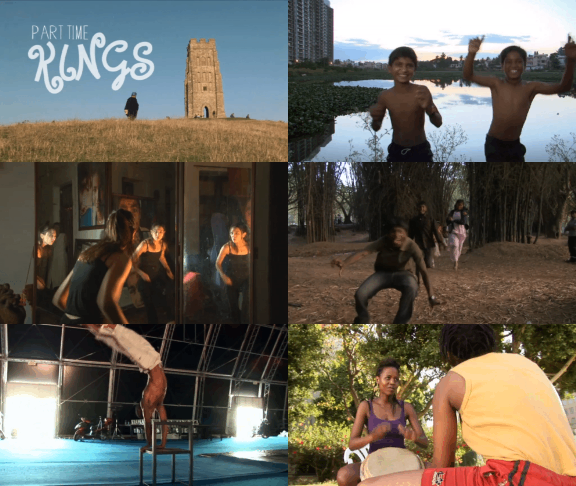
Your children are not your children