







 Geography
4656541 / 5551304
Capitals of Central Europe II
Bratislava, Budapest, Prague
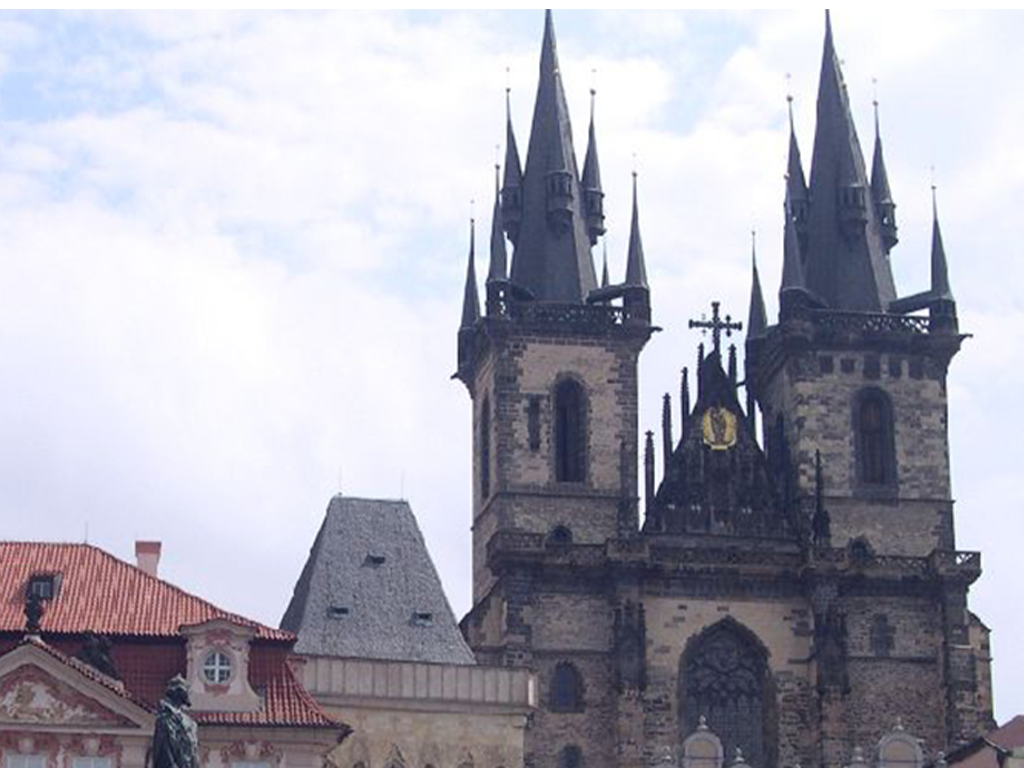
This DVD presents the capitals of eastern Central Europe, Bratislava, Budapest, Prague and Warsaw. By way of intro- duction, the pupils learn about the natural and climatic bound- aries of the Central European region and which countries it encompasses. Based on this, the film first focuses on the topographic situation of the respective capital of the countries of Slovakia, Hungary, the Czech Republic and Poland and the development of the cities is briefly outlined. Imposing buildings, historical monuments, architectural characteristics, magnificent operas and theatres, but also multi-cultural life in the streets and living traditions are witnesses to the rich cul- ture and artistic atmosphere of these capitals in the heart of Europe. Impressive pictures capture the uniqueness of each one of the capitals and illustrate their characters. Here, the respective geographic location of the capitals is linked to the history of their foundation. The pupils can follow the respective city development, learn about important sights, may compare the economic power and the infrastructures of the cities and will, step by step, obtain a complete picture of the diversity of the unified Europe.
Play trailer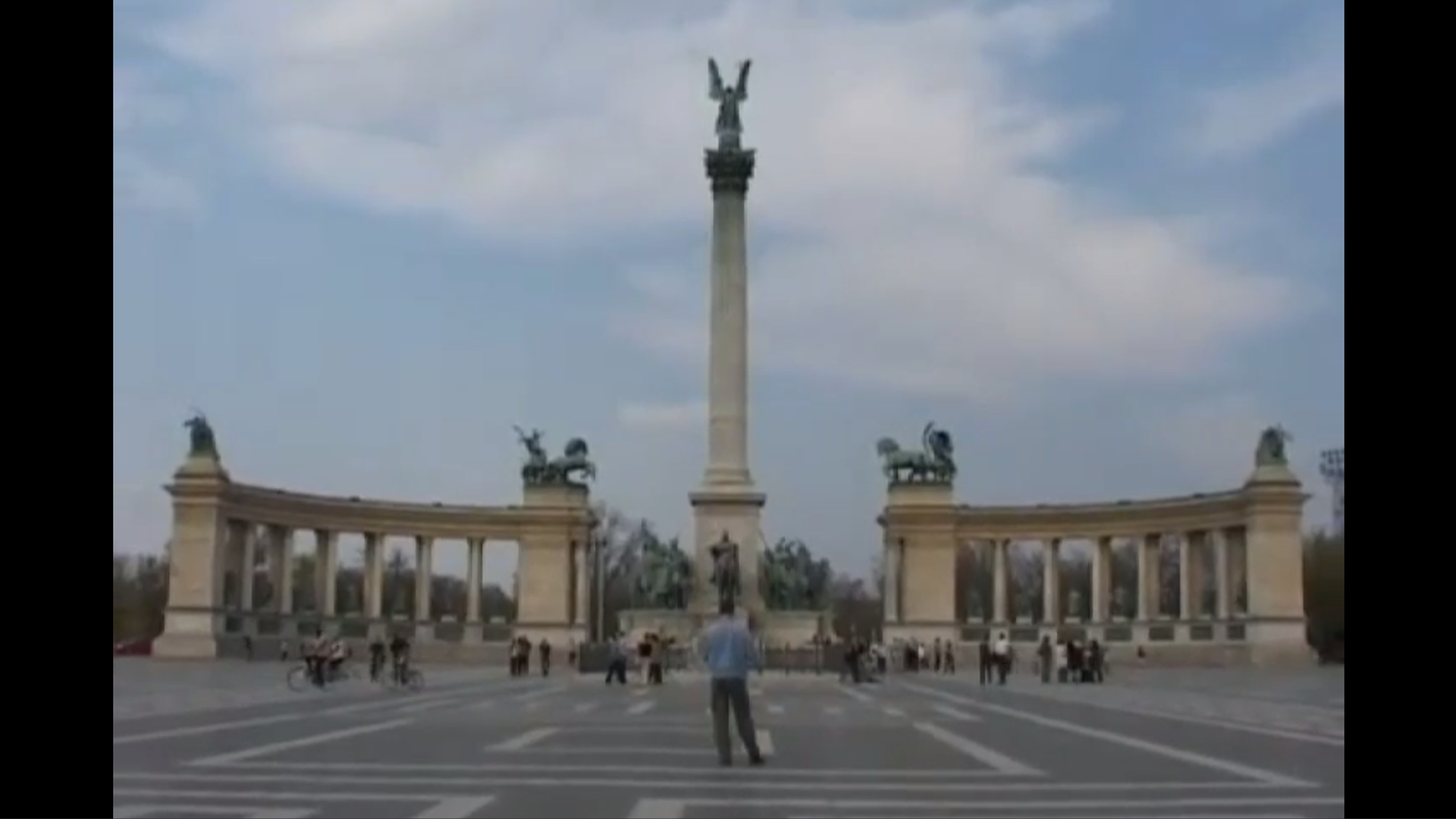
Curriculum-centred and oriented towards educational standards
Matching
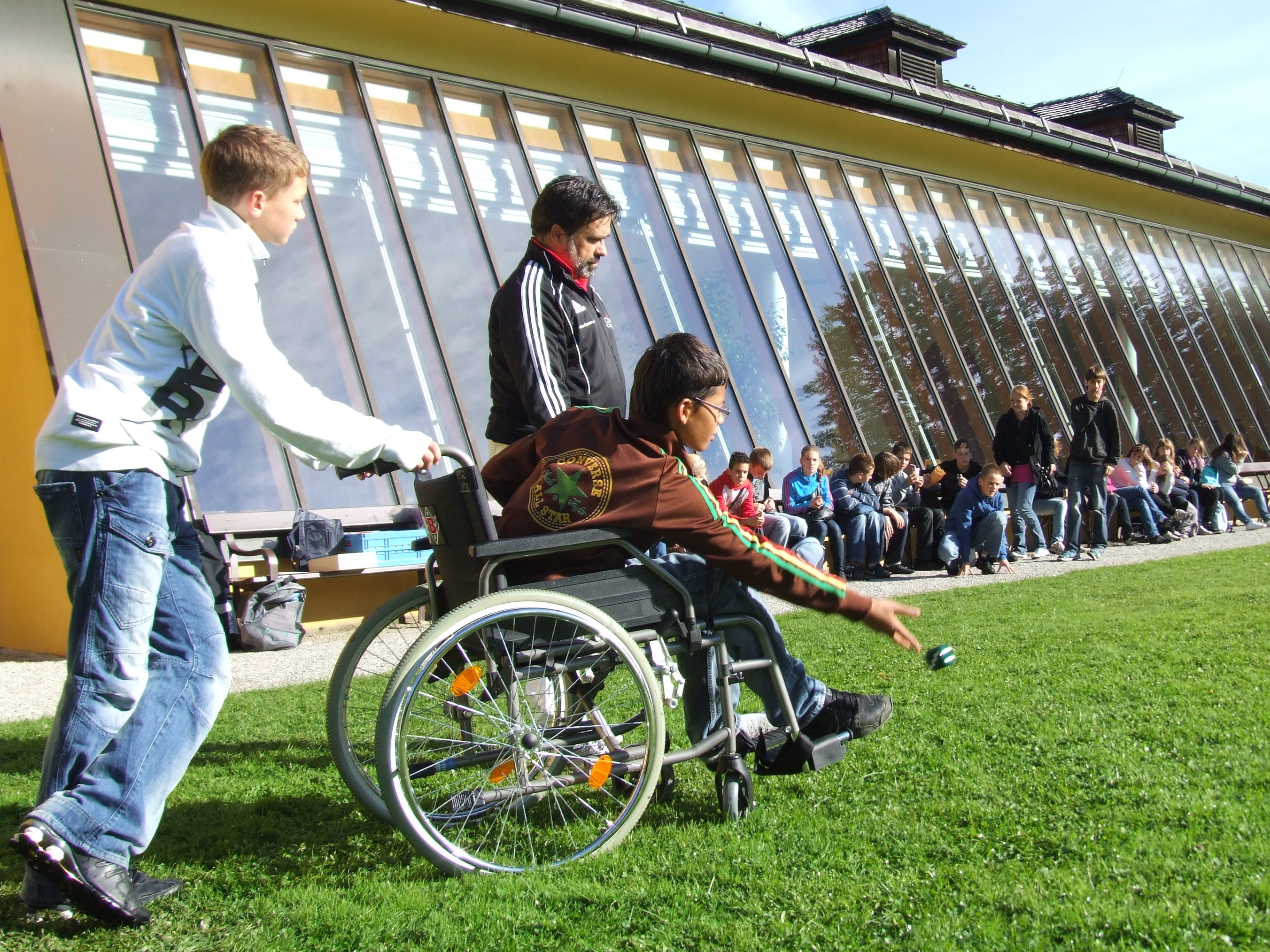
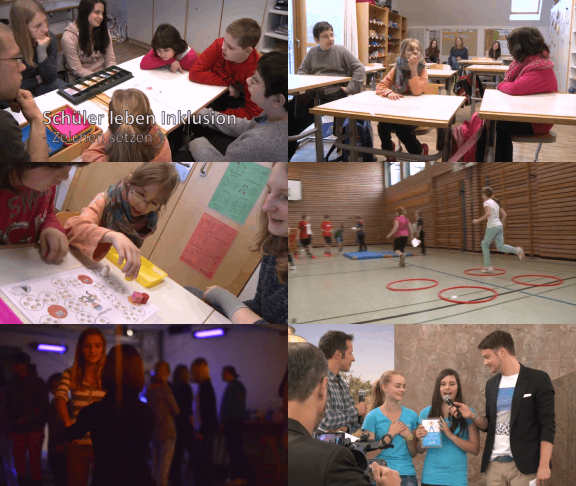
Pupils Practise Inclusion
When people come together, no matter under what concomitant circumstances – ultimately, it is about how these people meet and how openly they interact with one another.
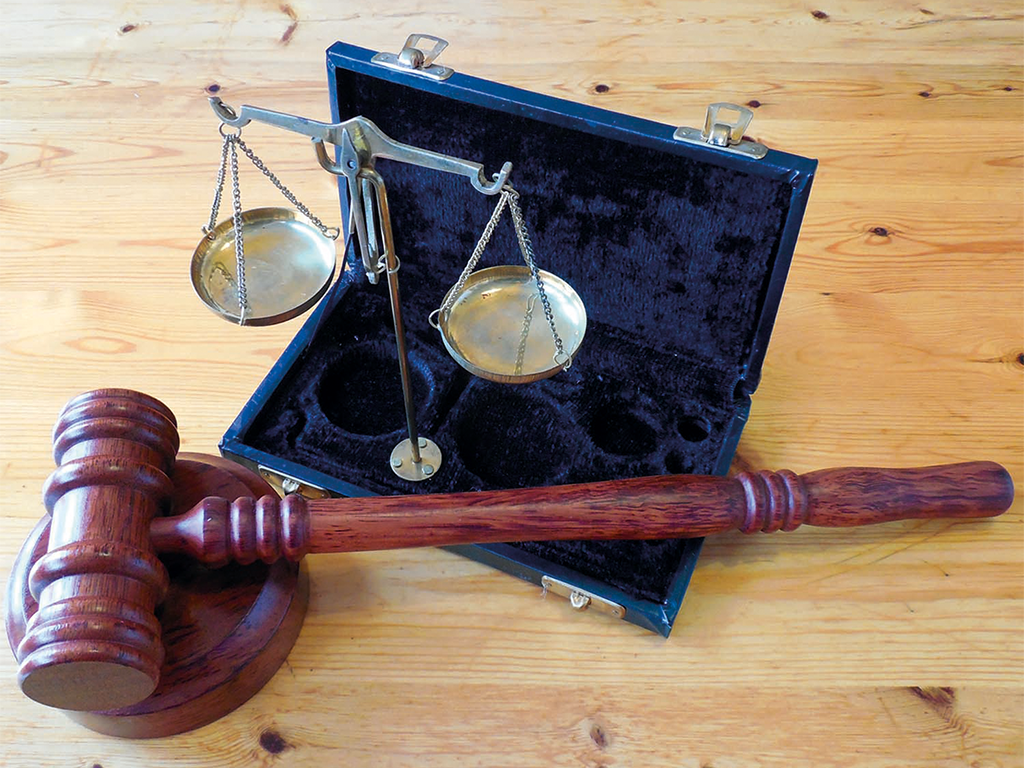
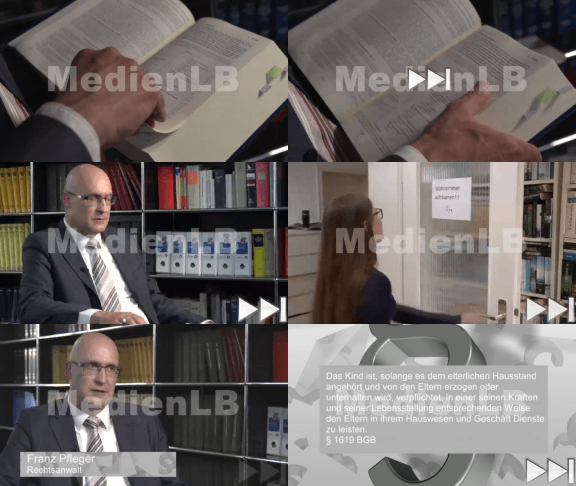
Rights and Obligations
Three girls of different ages: Anna is 17, Paula 15 and Lena 13. Before the law, their respective ages have consequences – because children and adolescents have different rights and also obligations.

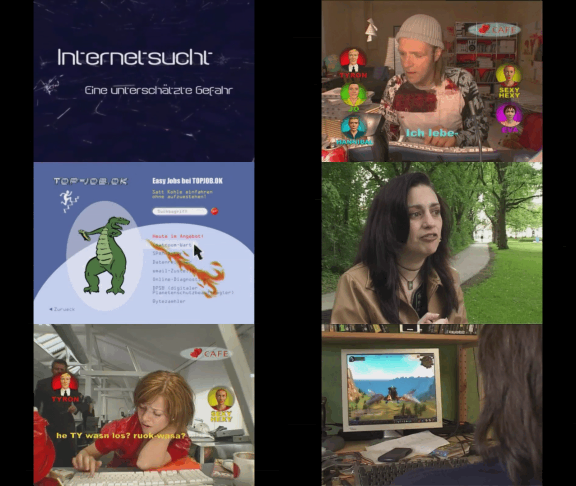
Internet Addiction
The film consists of two parts. The first part is the 15-minute short film “In the Net”. It describes the problem of excessive Internet use in a humorous way, in particular the risk of losing touch with reality when chatting. The second part illustrates with three real persons how Internet addiction can develop and the problems encountered by those who are afflicted. The authentic statements are commented by an experienced therapist. For many pupils, the issues addressed here are related to their everyday lives. What is a “sensible” use of the Internet, where does pathological addiction start? In contrast to addiction to alcohol, nicotine or drugs, the public seems to be largely ignorant of the problem of this addiction, which is not related to any substance abuse. The film provides material for discussion in the classroom (crossdisciplinary) and can be used as a basis for the formulation of prevention strategies.