







 Chemistry
4664216 / 5553655
C, CO2 and Associates in Everyday Life
From Carbon to Car
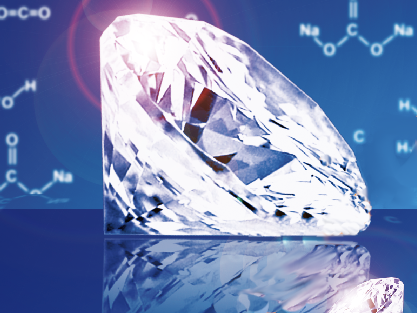
All organic matter contains carbon. Coal is deposited in the Earth's interior. It developed about 300 million years ago from plants in a geological period which is also called Carboniferous. During the combustion of organic matter, carbon turns into the gas carbon dioxide. Dissolved in water, it becomes the so-called carbonic acid. Carbon dioxide is an incombustible, colourless and odourless gas that is easily dissolved in water. With various metal oxides or hydroxides it forms two types of salts: the carbonates and the hydrogen carbonates. As calcium carbonate it is contained in natural products such as chalk and egg shells. Specific forms of carbon, called modifications, are graphite and also the particularly valuable diamond.
Play trailer
Curriculum-centred and oriented towards educational standards
Matching

Racism
Do you perhaps know that?
Product Piracy
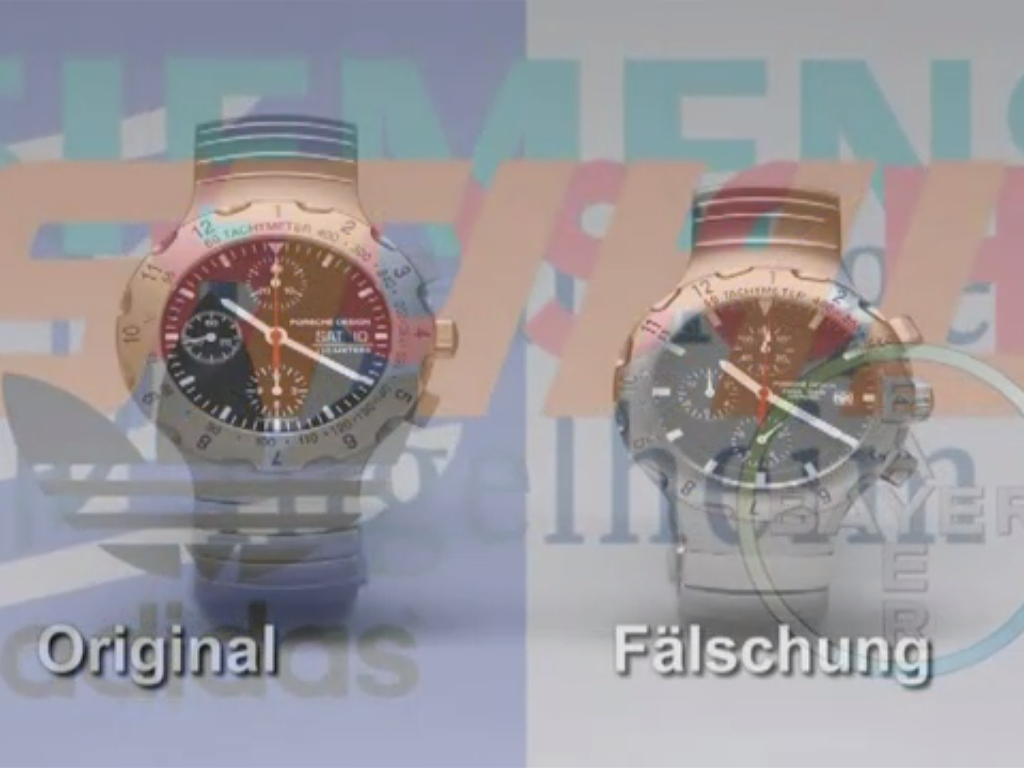
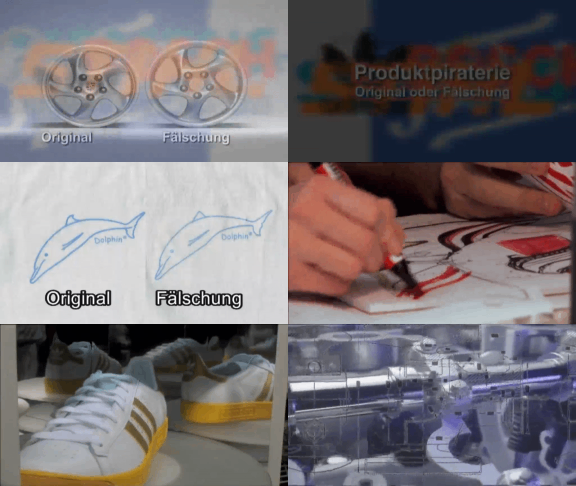
Counterfeiting takes place in almost all economic sectors – textiles, watches, car parts, machine parts, tools, accessories, software and medicines. Some counterfeits are easy to recognise, others are so well-executed that even experts have difficulty distinguishing between original and imitation. This DVD covers the development of a product from idea to manufacture. Once a product has become a trademark, product pirates appear on the scene.

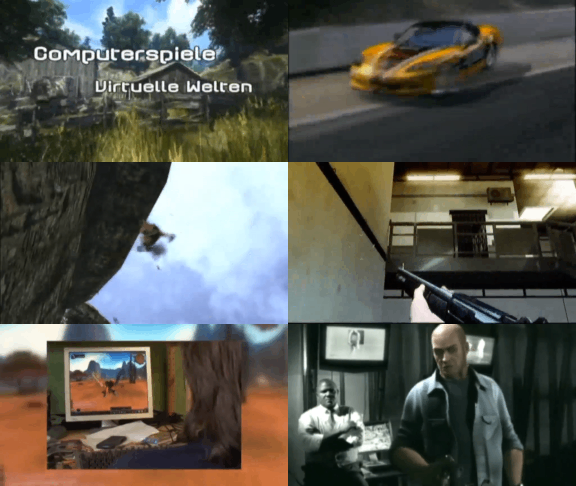
Computer Games
This film covers the topic of computer games in a variety of ways and from many different angles. Apart from the fascina- tion of computer games for users, the historical development as well as the production of computer games are described. The established genres are introduced, the guidelines of the German BPjM are explained. In light of recent public discussions, a neutral overview of the pros and cons of playing computer games is given, and different kinds of player behaviour are outlined. In this film, the pupils will recognise many aspects of their favourite pastime that encourage an independent, constructive use of this medium and reinforce their media competency. The film and teaching material are very closely related to the real-life situation.