







 Biology
4667256 / 5558717
Blossoms
Structure and Pollination
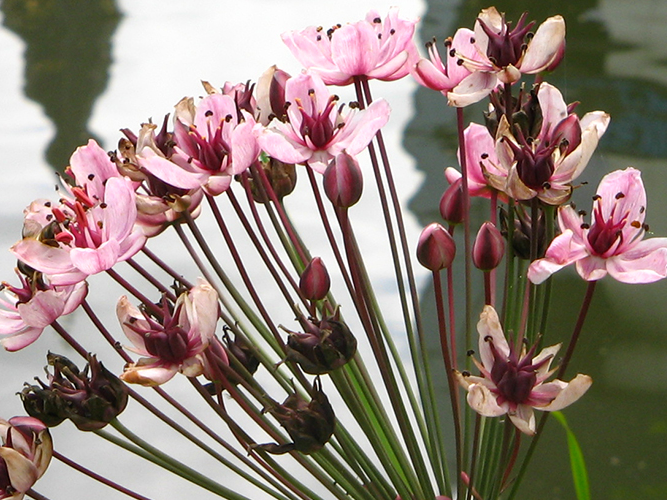
In impressive pictures several interesting biological topics are conveyed by this film: knowledge of the structure of blossoms, their variety of forms as well as significance and purpose of their colours and scents. Thus it becomes comprehensible why blossoms are so differently structured, how self pollination is avoided and which evolutionary achievement is behind the symbiotic interaction between blossoms and pollinators. Pollination is a “deal“: the plant offers the insects nectar in exchange for the transport of the pollen. Prerequisite for this is the mutual adaptation process of the blossom to the mouthparts of the insect and vice versa. That cheating goes on during this “business relationship” between plant and animal is illustrated with the example of flower mimesis. The perfect way in which blossoms succeed in attracting insects without offering them nectar in return is another highlight of this film. Together with the extensive accompanying material the DVD is perfectly suited for use in the classroom.
Play trailer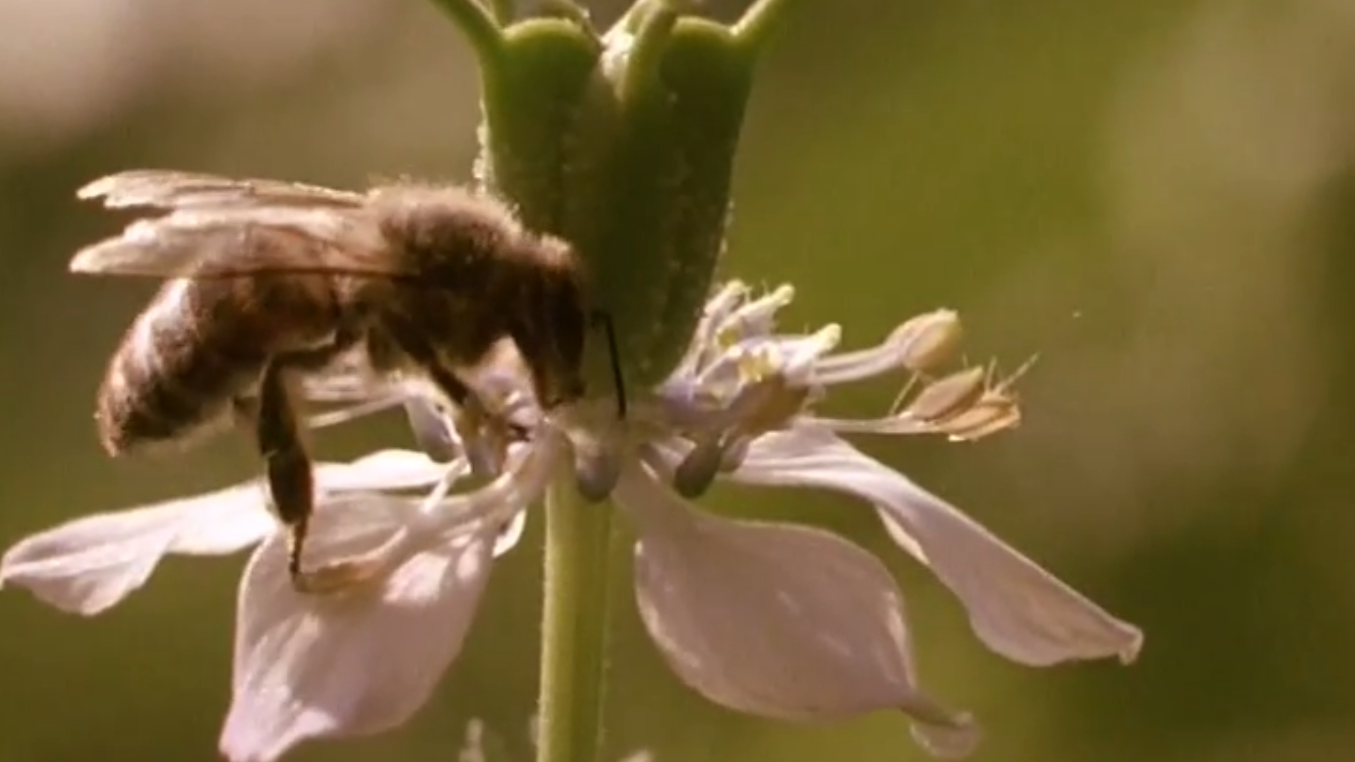
Curriculum-centred and oriented towards educational standards
Matching
Inclusion
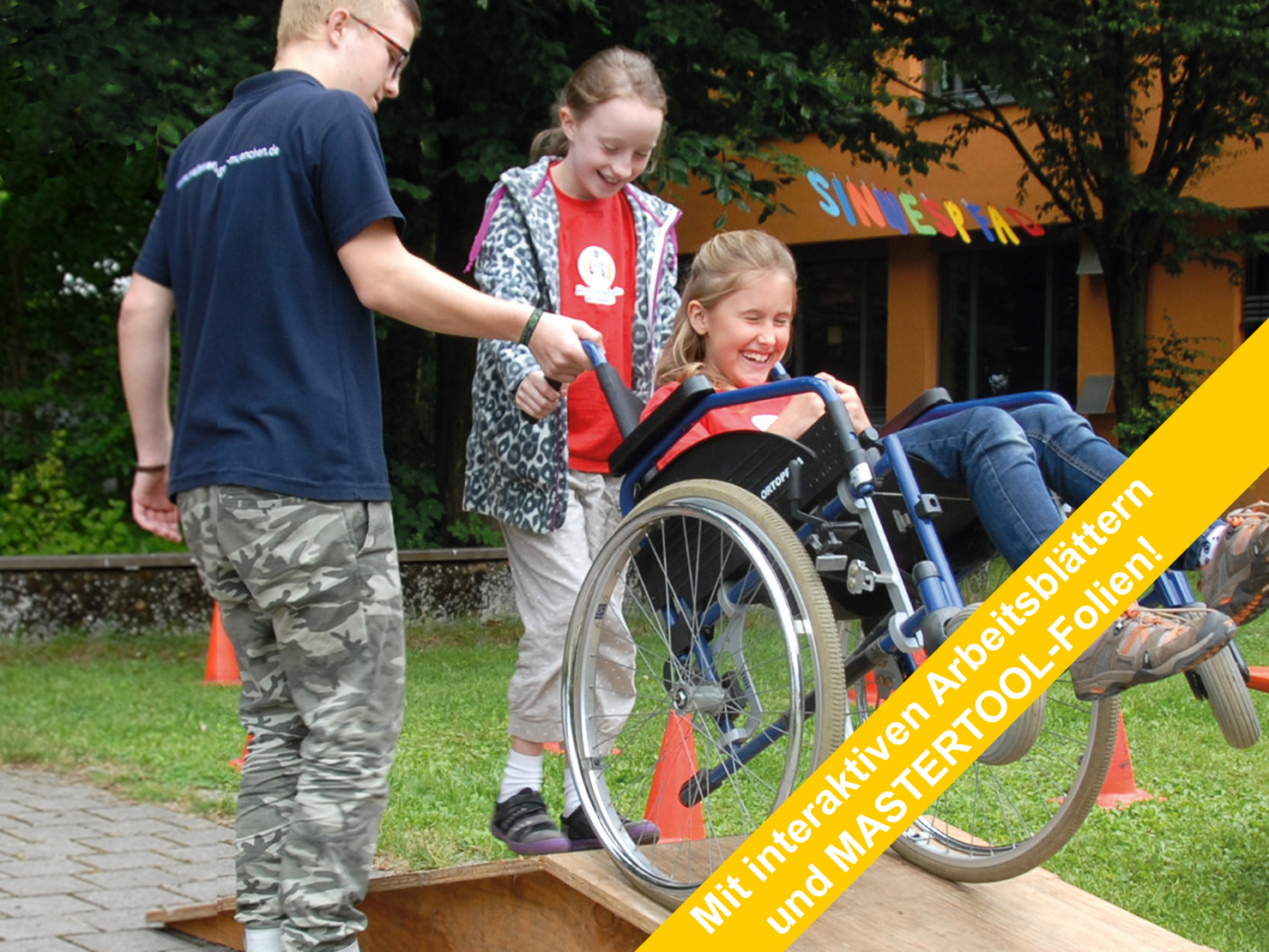
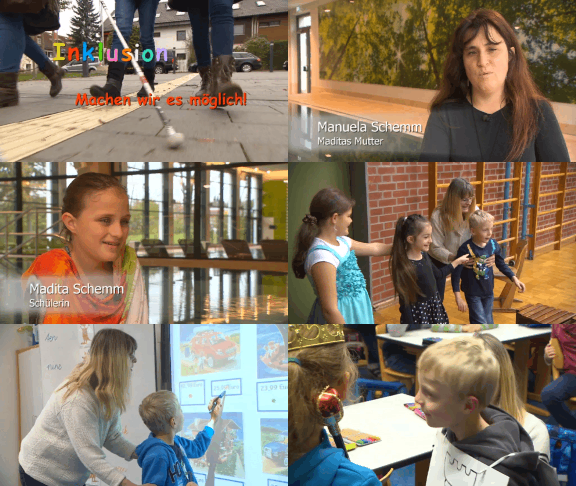
Madita is eleven and blind. She does not want to go to a special school but to a regular grammar school. She says she feels "normal" there. Jonathan is eight and has a walking disability. He likes going to the school where he lives. Here, his best friend sits next to him. Max Dimpflmeier, a teacher who is severely deaf, explains that school life is not easy. Quote Max Dimpflmeier: "You don't want to attract attention, you want to avoid saying that it is necessary for you that 70 people adjust to your situation." People on their way to inclusion.

Rights and Obligations
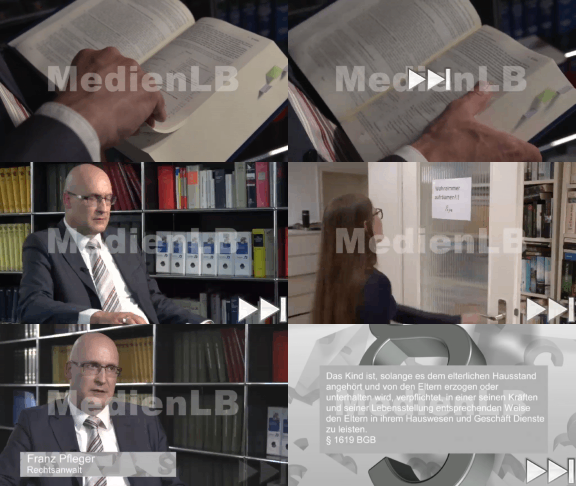
Three girls of different ages: Anna is 17, Paula 15 and Lena 13. Before the law, their respective ages have consequences – because children and adolescents have different rights and also obligations.

Internet Addiction
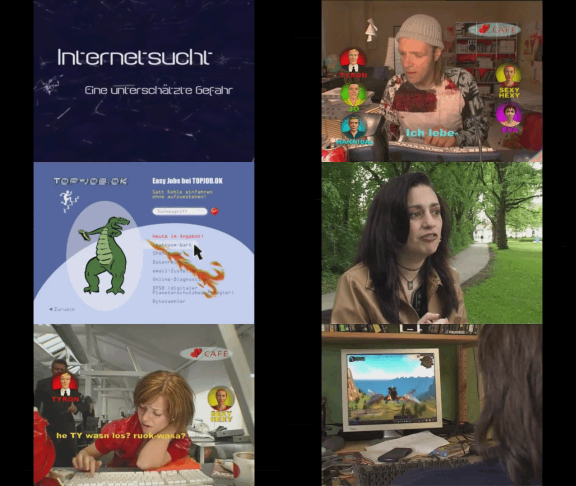
The film consists of two parts. The first part is the 15-minute short film “In the Net”. It describes the problem of excessive Internet use in a humorous way, in particular the risk of losing touch with reality when chatting. The second part illustrates with three real persons how Internet addiction can develop and the problems encountered by those who are afflicted. The authentic statements are commented by an experienced therapist. For many pupils, the issues addressed here are related to their everyday lives. What is a “sensible” use of the Internet, where does pathological addiction start? In contrast to addiction to alcohol, nicotine or drugs, the public seems to be largely ignorant of the problem of this addiction, which is not related to any substance abuse. The film provides material for discussion in the classroom (crossdisciplinary) and can be used as a basis for the formulation of prevention strategies.