







 Biology

4669616 / 5560293
Blood
Our Elixir of Life
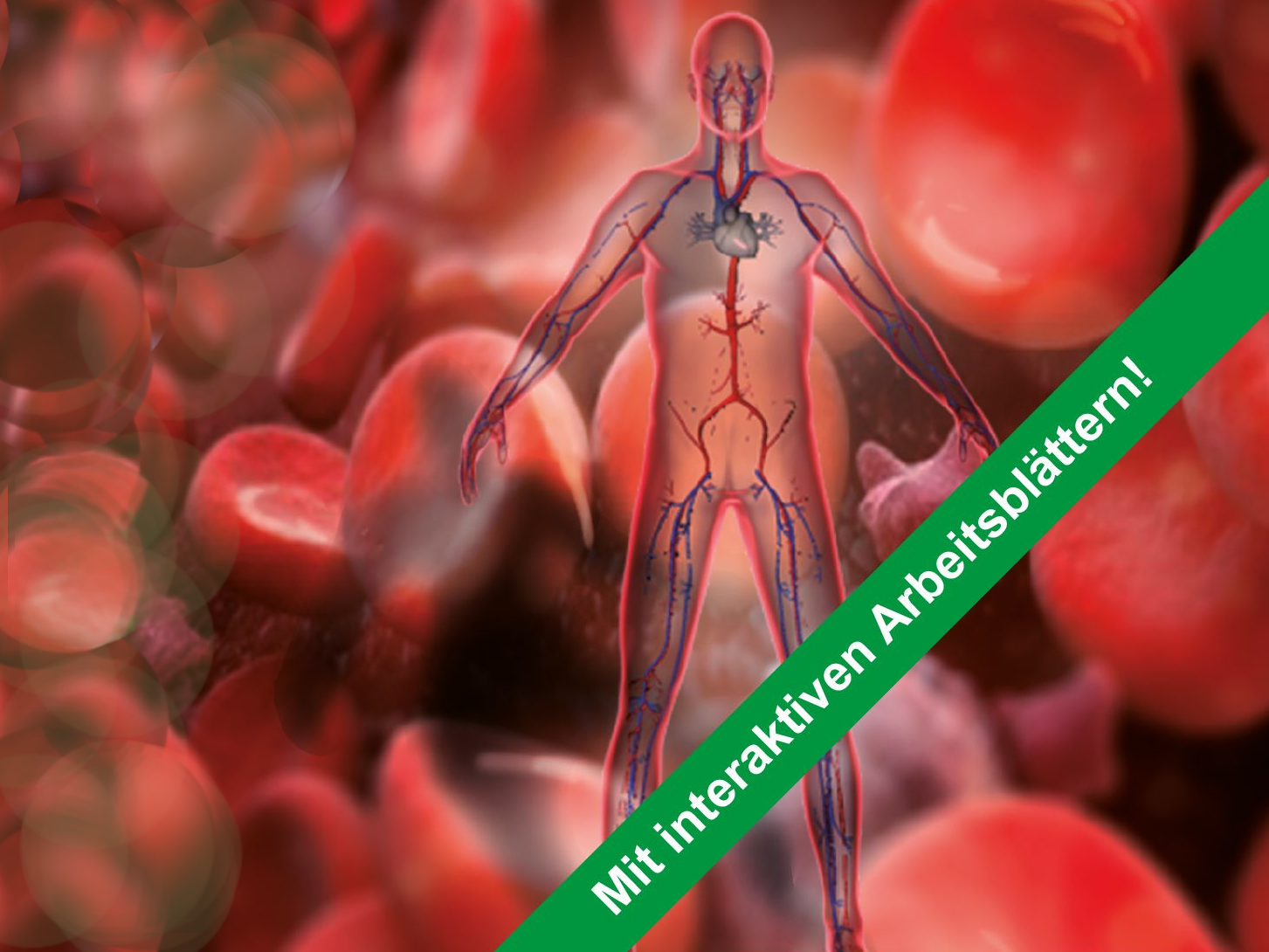
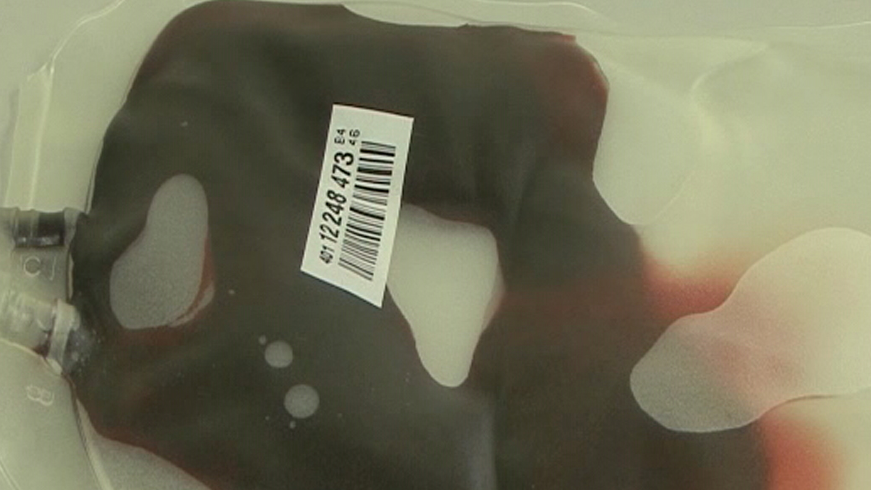
One moment of distraction and the damage is done: Tim has slipped and has scraped his knee. The wound begins to bleed. Back home, Tim is comforted by his mother and a plaster is put on the knee. Actually, this is not necessary any more because Tim’s body has already started to help itself by forming a scab on the wound. A skin injury makes it possible for germs and dirt to enter the body. To prevent this from happening our organism repels all foreign substances, beginning at the same time to close the wound. This is done with the help of blood clotting, which starts directly when blood gets into contact with the outside world for example.
Play trailer
- <> Languages: DE, EN, TR
- <> Target Groups: Sek I, Sek II
- <> Subject: Biology
- <> Length: 24:09 min
- View in learning platform
Licenses
Curriculum-centred and oriented towards educational standards
Matching


Internet Addiction
The film consists of two parts. The first part is the 15-minute short film “In the Net”. It describes the problem of excessive Internet use in a humorous way, in particular the risk of losing touch with reality when chatting. The second part illustrates with three real persons how Internet addiction can develop and the problems encountered by those who are afflicted. The authentic statements are commented by an experienced therapist. For many pupils, the issues addressed here are related to their everyday lives. What is a “sensible” use of the Internet, where does pathological addiction start? In contrast to addiction to alcohol, nicotine or drugs, the public seems to be largely ignorant of the problem of this addiction, which is not related to any substance abuse. The film provides material for discussion in the classroom (crossdisciplinary) and can be used as a basis for the formulation of prevention strategies.

Big Data
Original soundtrack young woman:
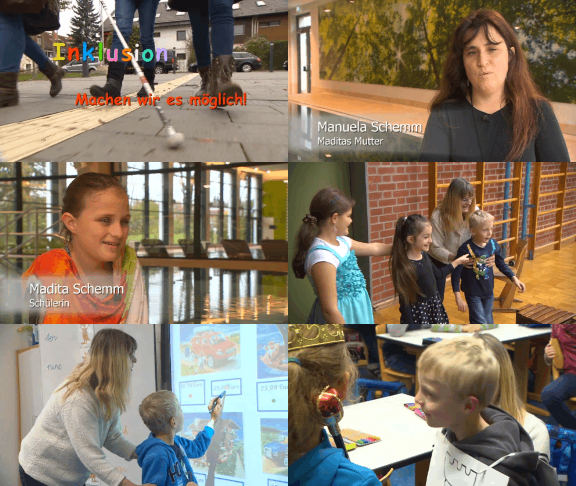
Inclusion
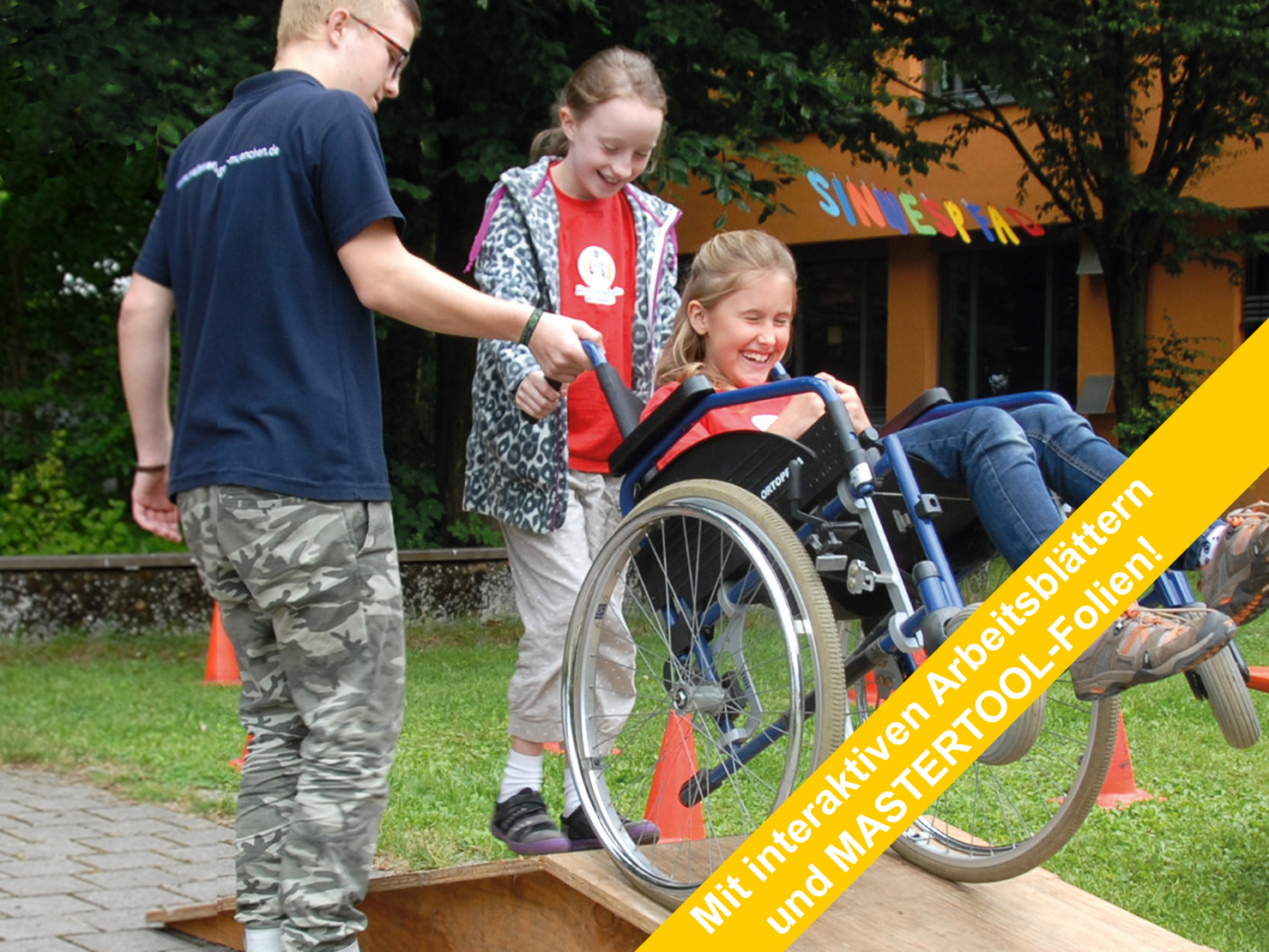
Madita is eleven and blind. She does not want to go to a special school but to a regular grammar school. She says she feels "normal" there. Jonathan is eight and has a walking disability. He likes going to the school where he lives. Here, his best friend sits next to him. Max Dimpflmeier, a teacher who is severely deaf, explains that school life is not easy. Quote Max Dimpflmeier: "You don't want to attract attention, you want to avoid saying that it is necessary for you that 70 people adjust to your situation." People on their way to inclusion.