







 History


4671644 / 5561468
Battle of the Nations
War of Liberation against Napoleon
From 16th to 19th October 1813 the allies Austria, Prussia, Russia and Sweden inflicted the decisive defeat on the French army, thus breaking the supremacy of Napoleon over Europe. In the first mass combat in modern times more than half a million soldiers from all parts of Europe fought for the political future and the territorial division of the continent. The Battle of the Nations went down in history as the biggest and bloodiest battle until the First World War. The film tells the story of this crushing blow to Napoleon. With exciting footage, filmed during the historical re-enactment of the Battle on the occasion of its 200th anniversary, and numerous interviews history is brought to life again. Together with the extensive teaching material in the data section the DVD is perfectly suited for use in the classroom.
Play trailer
- <> Languages: DE, EN, TR
- <> Target Groups: Sek I, Sek II
- <> Subject: History
- <> Length: 26:44 min
- View in learning platform
Licenses

Curriculum-centred and oriented towards educational standards
Matching
Inclusion
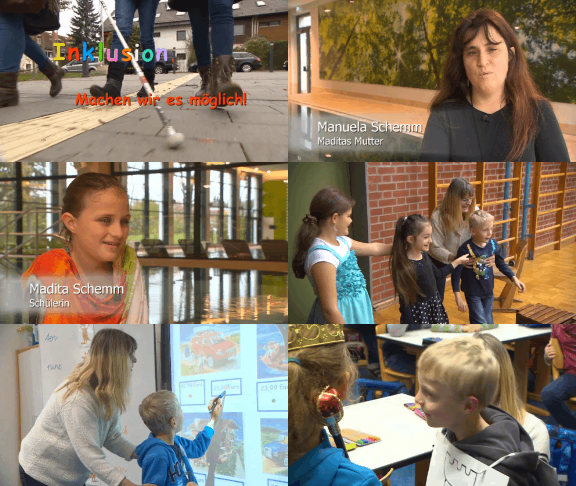
Madita is eleven and blind. She does not want to go to a special school but to a regular grammar school. She says she feels "normal" there. Jonathan is eight and has a walking disability. He likes going to the school where he lives. Here, his best friend sits next to him. Max Dimpflmeier, a teacher who is severely deaf, explains that school life is not easy. Quote Max Dimpflmeier: "You don't want to attract attention, you want to avoid saying that it is necessary for you that 70 people adjust to your situation." People on their way to inclusion.


Tolerance
“Tolerance means being generous and kind to other people and helping them, too.”
Ceramic
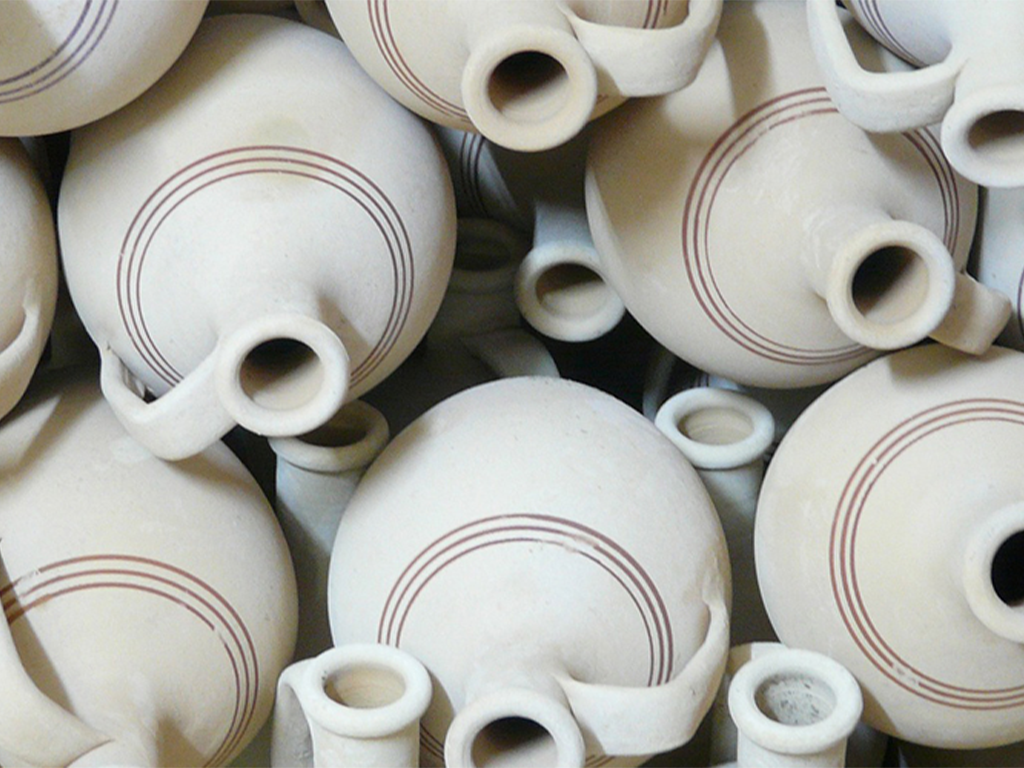
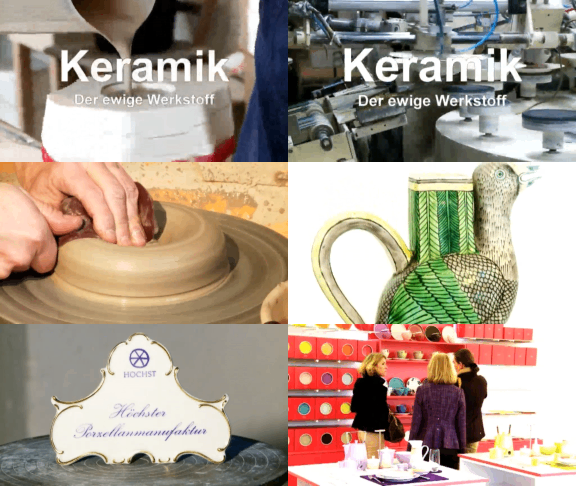
Ceramics are indispensable in our everyday lives. We eat from ceramic plates, drink from ceramic cups, use tiled ceramic bathrooms. But how is ceramic manufactured? The film reveals the secrets of this fascinating material! We get to know more about the beginnings of ceramic in the Old World of Egypt and Mesopotamia, about Greece, China and Rome. We gain interesting insights into the valuable earthenware and are also shown the exquisite further development of the "white gold". Today this versatile material is irreplaceable in industry, too. Whether in space or as an easily compatible substitute in medicine, ceramic is applied in many places.