







 Ecological
4671727 / 5561525
Batteries
From Production to Recycling
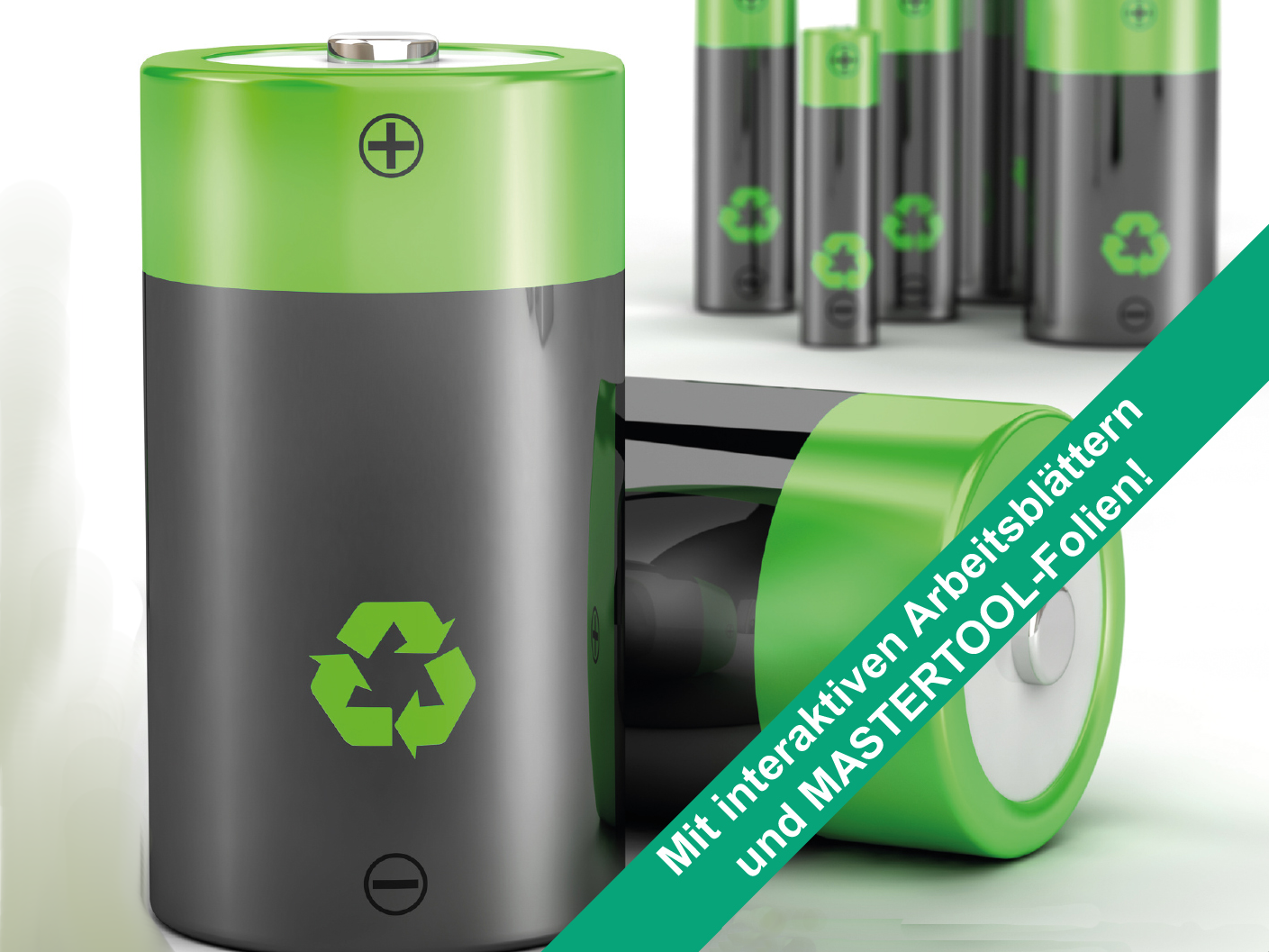
A battery is a portable source of chemical energy, which is converted to electrical energy as soon as the battery is placed in a circuit. The main principle is the same in almost all batteries. A metal that forms the negative terminal is opposite a positive terminal. The positive terminal is also called anode, the negative terminal cathode. Between the two terminals there is an electrically conductive liquid, the so-called electrolyte. As soon as a battery is placed in a circuit, positive and negative terminals are connected via an external contact and electrolysis takes place. On the way, a current flows from anode to cathode
Play trailer
Curriculum-centred and oriented towards educational standards
Matching


Resuscitation
It can happen to anyone – of any age, in any place, at any time. Sudden cardiac arrest may quickly prove fatal. Immediate action is called for! Just remember: Check Call Press Anyone can do it. You can't do anything wrong!

Seal of approval
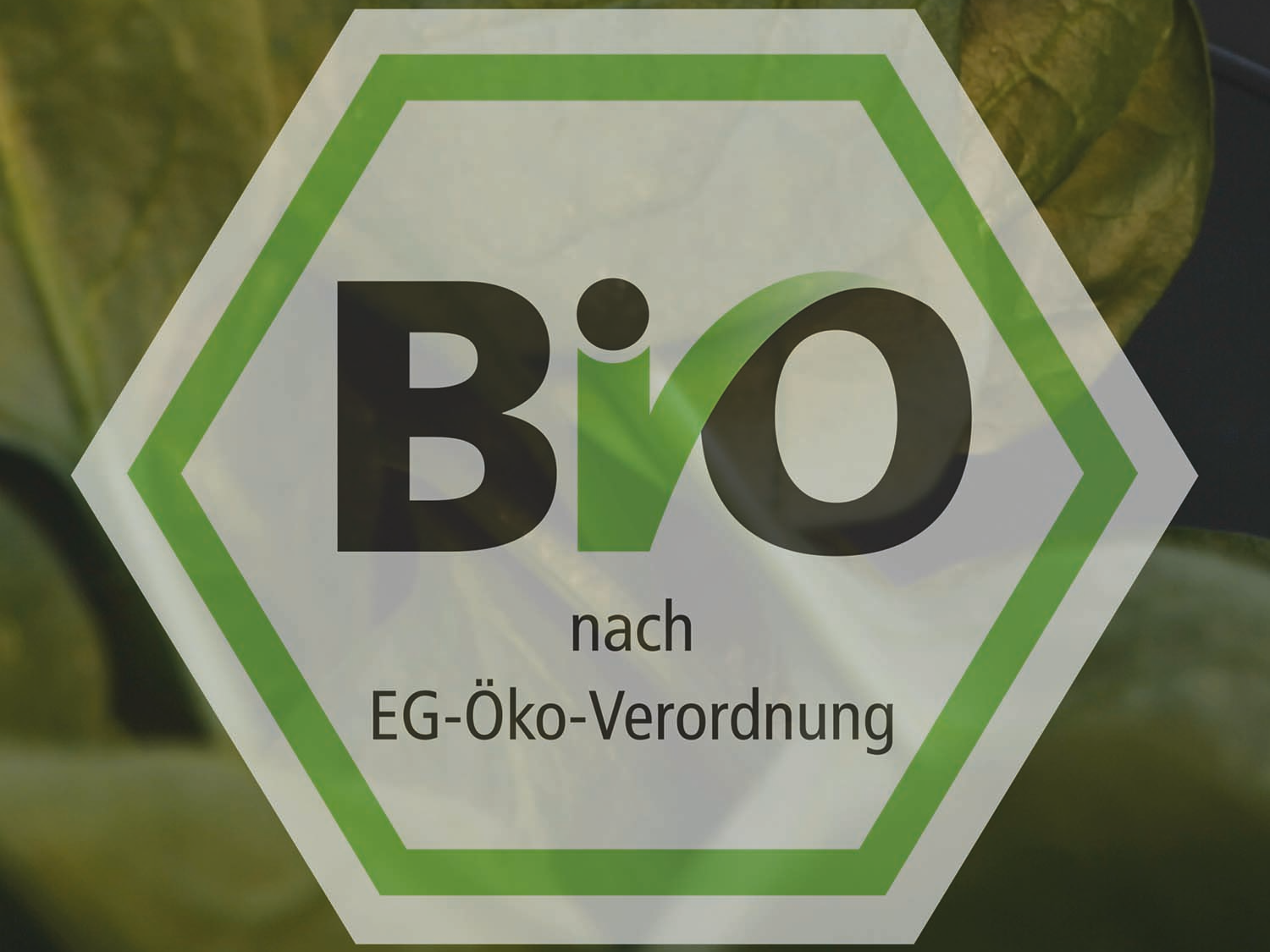
Quality seals such as the "Bio-Siegel", "Blauer Engel", "Stiftung Warentest" and up to 1,000 other seals represent characteristics such as sustainability, health or safety with regard to a product, a service or even a company.


Rights and Obligations
Three girls of different ages: Anna is 17, Paula 15 and Lena 13. Before the law, their respective ages have consequences – because children and adolescents have different rights and also obligations.