






 Technology, Training of Teachers

4677095 / 5564387
3D Printing
Methods, Materials, Future Prospects
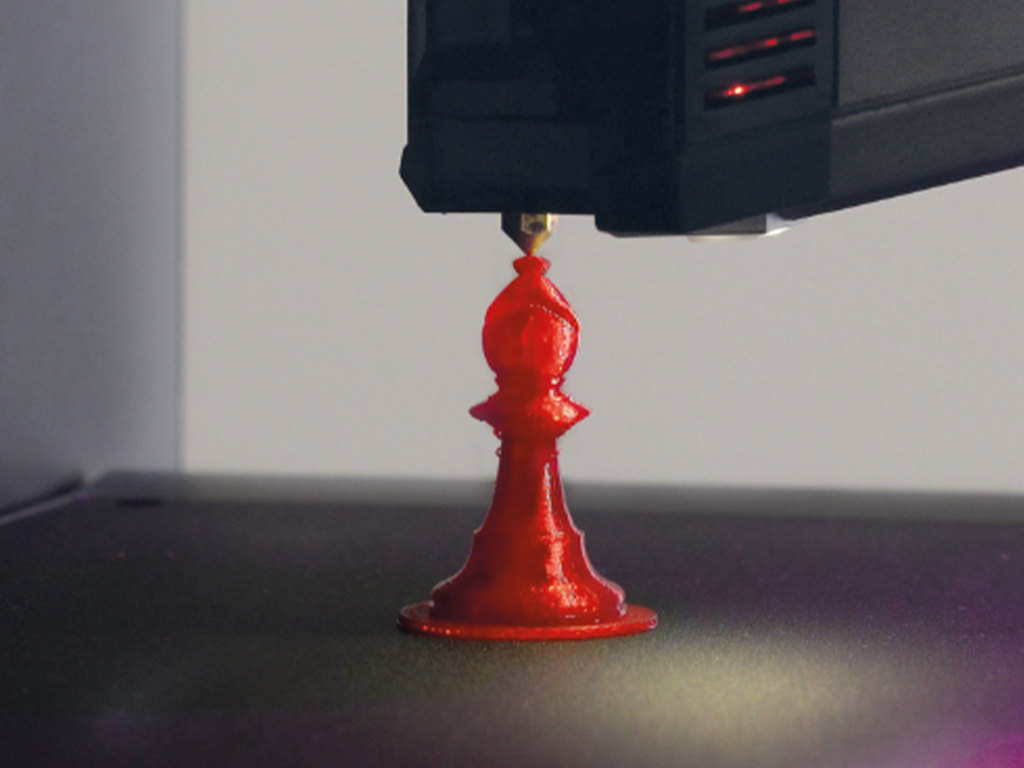
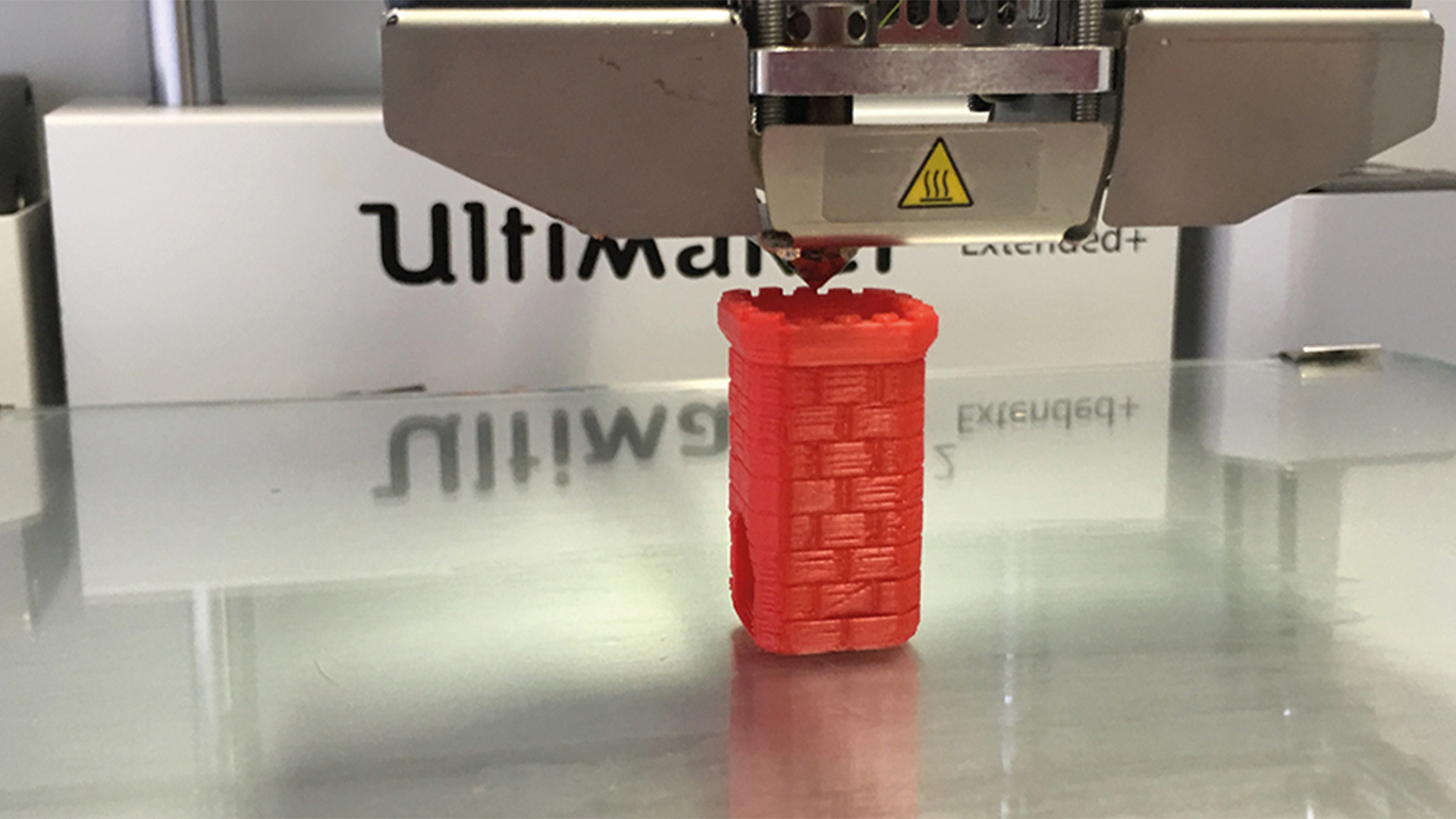
Layer by layer, a three-dimensional form is being created here – a chess piece. Just like that, from a printer – however, a special one: a 3D printer. Thus, the dream of being able to manufacture three-dimensional pieces yourself at home becomes reality. In industry, professional 3D printers play an increasingly important part. Different methods and materials enable the production of a broad variety of objects. This ranges from workpieces to medical demonstration objects to model pieces and even foods, like marzipan in this example. The possibilities of application seem to be almost unlimited. As preferred materials, different plastics and metals are primarily used. With this method, a whole new kind of production becomes possible. Material that has so far been reduced or formed by processing is expanded here step by step. Therefore, this is also referred to as additive manufacturing, i.e. manufacturing by addition. But how exactly does a 3D printer work? What is it already able or still unable to do today? And will this technology have an impact on our work life?
Play trailer
- <> Languages: DE, EN
- <> Target Groups: Sek I, Sek II
- <> Subject: Technology, Training of Teachers
- <> Length: 22:52 min
- View in learning platform
Licenses
Curriculum-centred and oriented towards educational standards
Matching
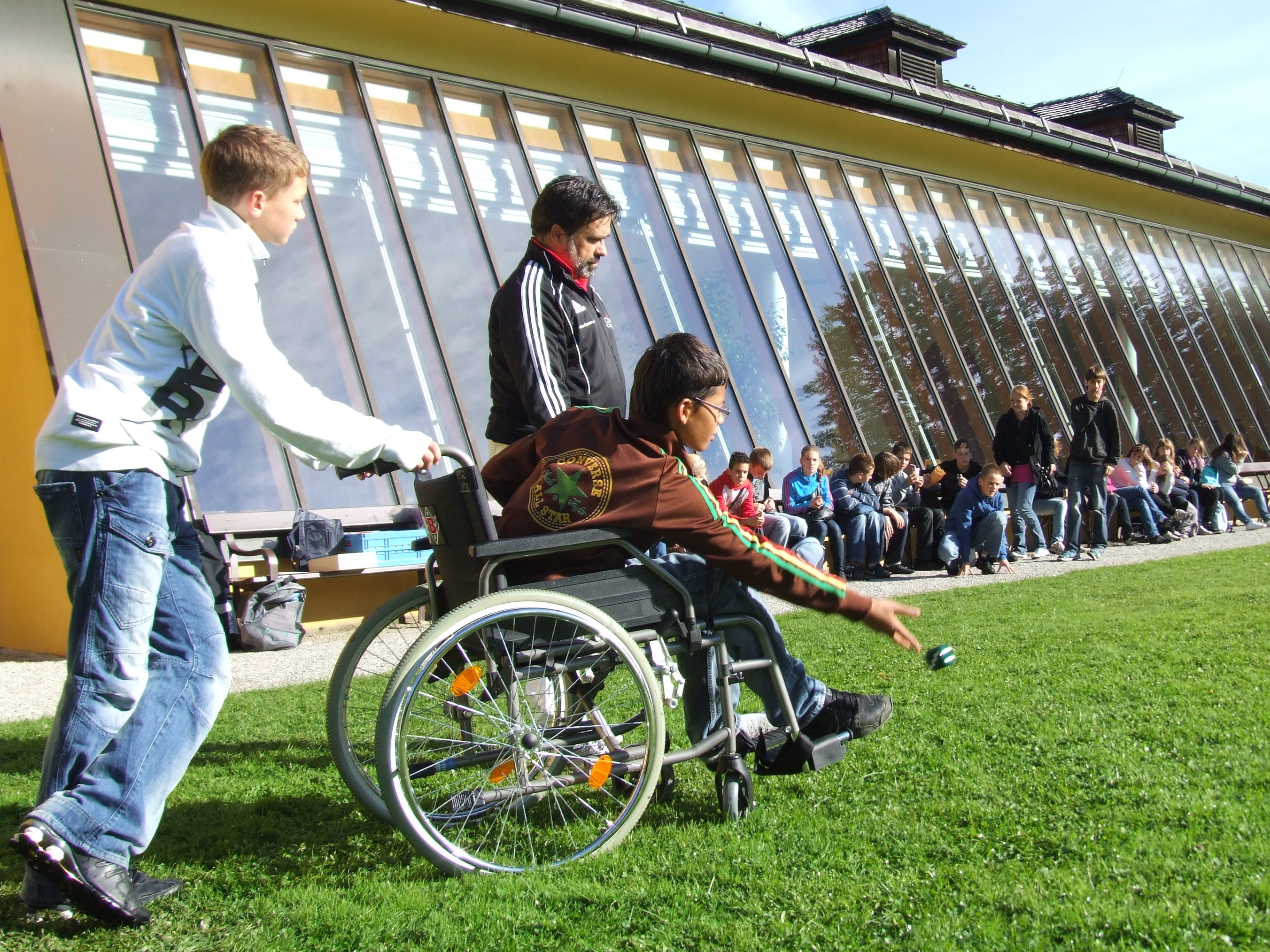
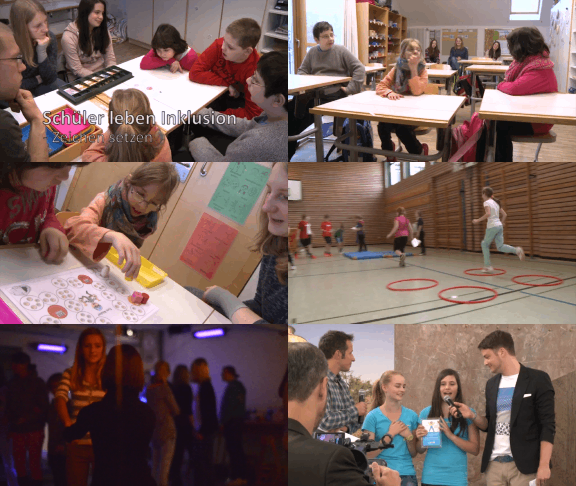
Pupils Practise Inclusion
When people come together, no matter under what concomitant circumstances – ultimately, it is about how these people meet and how openly they interact with one another.
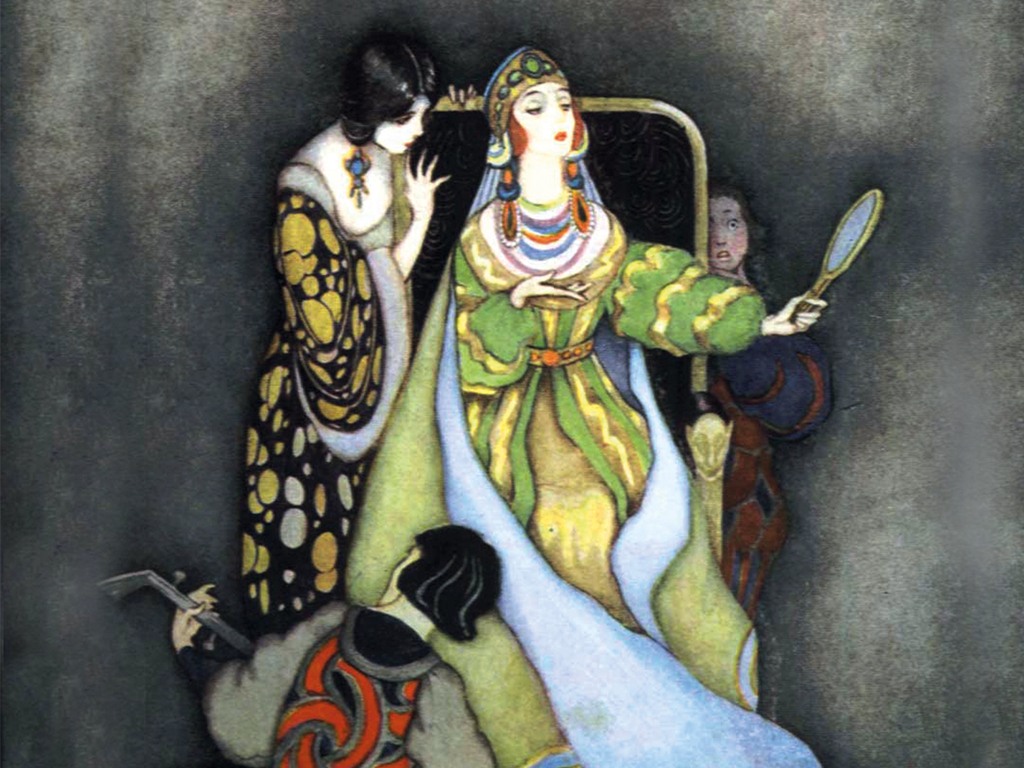
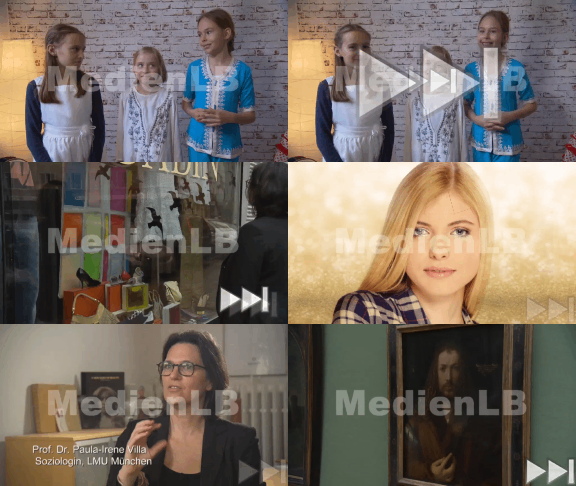
Ideals of Beauty
1. What Is Beautiful?

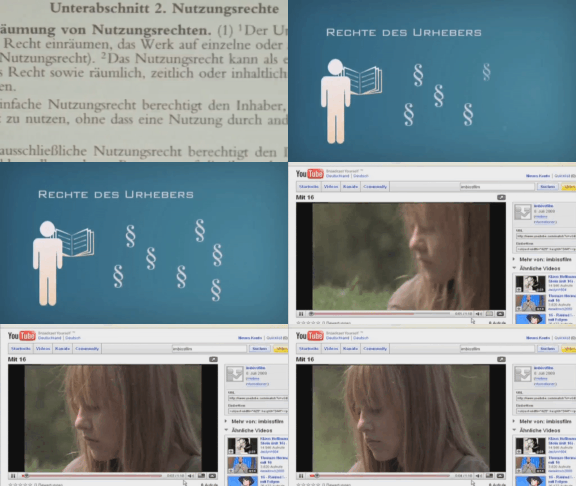
Copyright
Copyright is subject to constant change to keep up with technological advances. This film enables the viewer to grasp the basic principles of this extremely intricate matter. By way of introduction, the film defines what an author is, what kinds of works there are and how long a work is protected on principle. Then the fundamental rights of an author are cited and it is shown how these are exploited in our times. In the third chapter, the respective rights are illustrated by way of practice-oriented examples of books, photos, music and films. Here, of course, an emphasis is laid on the field of education, taking into account the latest case law within the EU and Austria in particular. A further chapter highlights the problems arising with the Internet and goes into the citation law and pirate copies. All in all, in this way the viewer is made familiar with the most important basic terms and their meanings. Comprehensive worksheets and additional accompanying material invite us to deepen our knowledge of the subject.