







 Geography
4677114 / 5564403
Urbanisation
The Emergence of Metropolises
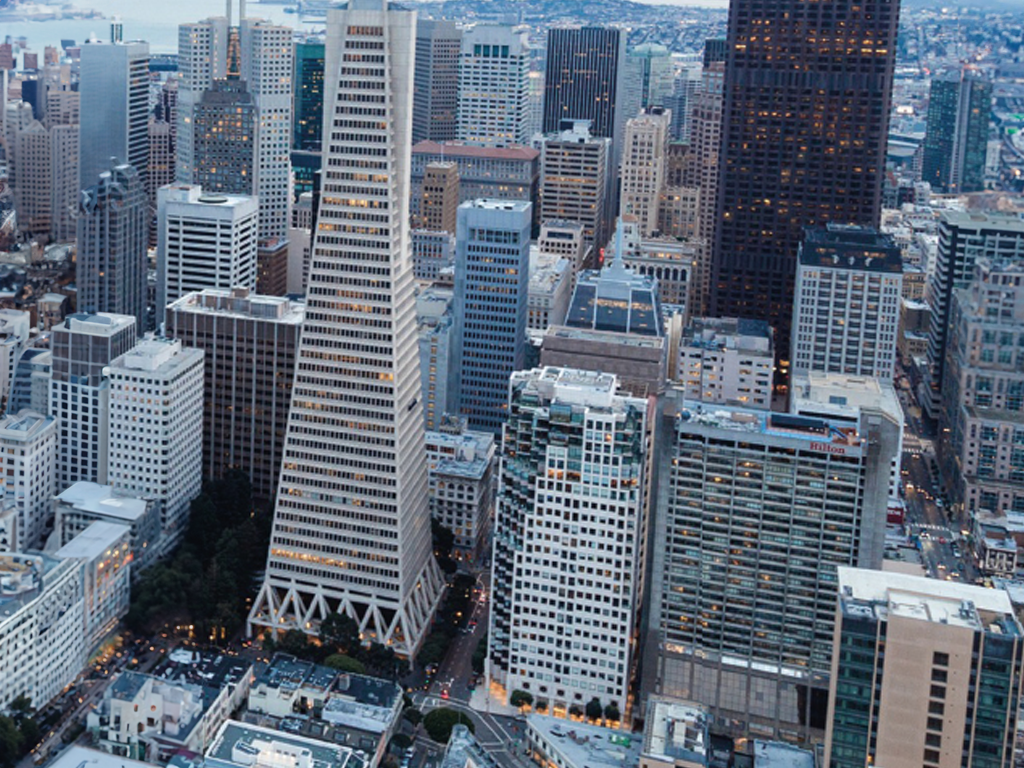
Cities, that is, concentrations of culture areas, existed already in ancient times, but the spread of metropolises worldwide, the so-called metropolisation, has developed at an explosive rate mostly during the last 20 to 50 years not only because metropolises are the economic engines of a world that has become global but also because they are centres of art, education and culture. Fashionable metropolises are hip and trendy. But metropolisation worldwide also means, apart from increasing pollution and lack of living space, an increase in social exclusion, urban pauperism as well as mushrooming slums and particularly high unemployment levels, above all in the developing countries. At present about 280 million people live in the twenty biggest metropolises. With rising tendency.
Play trailer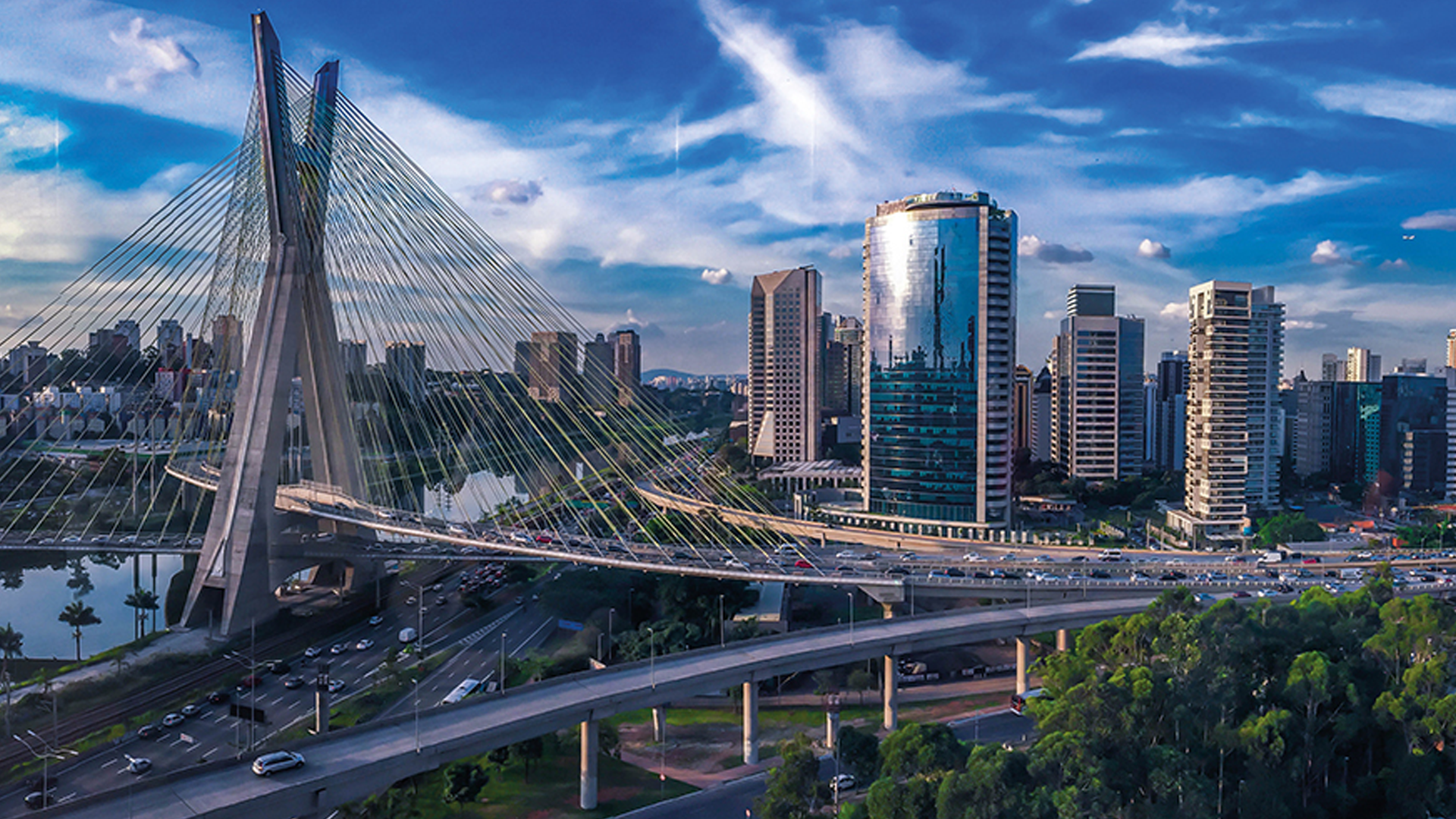
Curriculum-centred and oriented towards educational standards
Matching


Stalking
n Germany, 12 % of all federal citizens are pursued by a stalker once in their lives. And not only celebrities are among their victims! Everyone may be confronted with such a situation.


Part Time Kings
Your children are not your children

Air Traffic
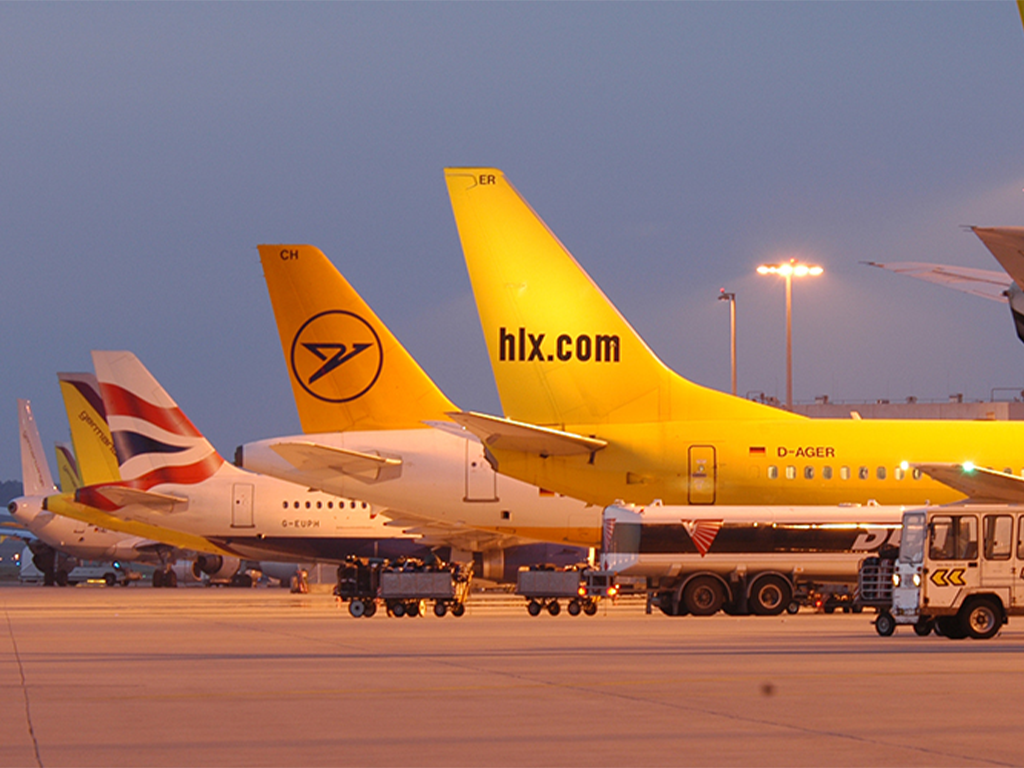
Being able to fly has been a dream of humanity from time immemorial. But it does not even date back a century that people actually started being able to travel through the air. Since the 1960s, the number of flight passengers has been constantly increasing. Thus, the airspace is no longer dominated by birds but by man-made flying objects.