







 Geography

4677112 / 5564401
Petroleum
Deposits, Extraction, Use
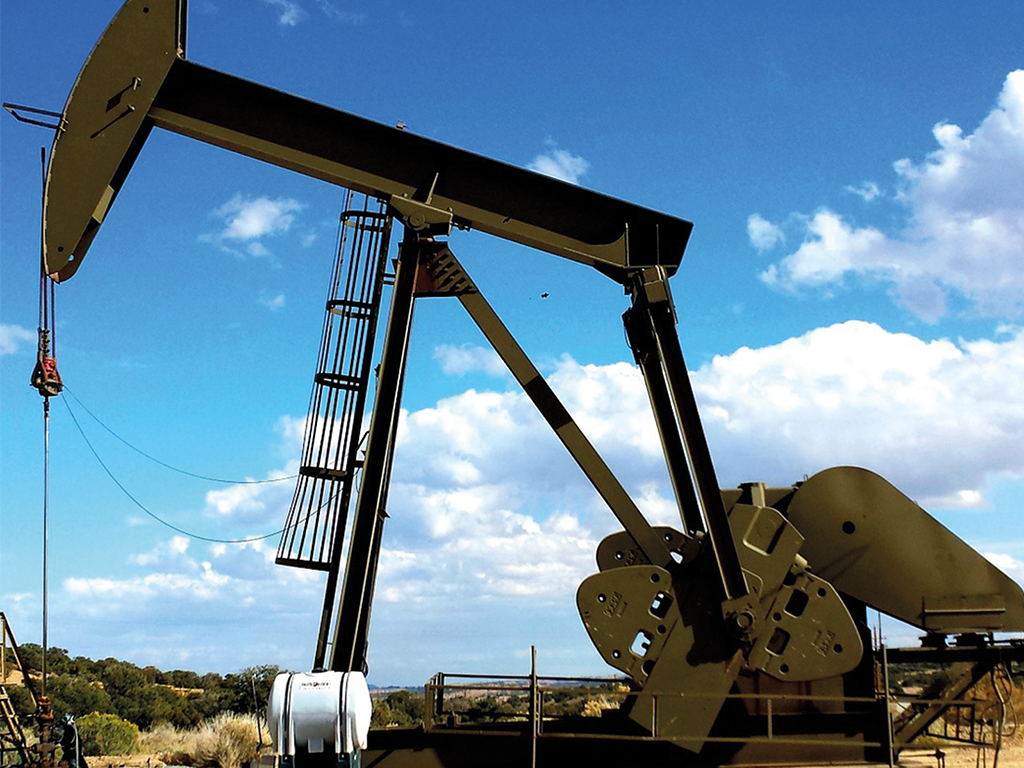
Petroleum – a resource without which our modern industrial society is hardly conceivable. It serves as a basis for the fuel of almost all means of transport, but also for generating heat and electricity. In addition, petroleum is also an important material for industry, because it is present in plastics, paints and even medicine. The fossil resource was formed millions of years ago and is hidden in the depths of the Earth – both on land and at sea. It is a long way from petroleum to the product. After extraction, the crude oil is transported to the processing facilities, the refineries, where it is prepared for further use and distributed. Only then can we use it, for instance in the form of petrol or fuel oil. Petroleum is not available in unlimited quantities. Today, the more environment-friendly regenerative energy sources sun, wind and water already have an increasing share in the energy mix. And the share of biofuels is also rising. But still, petroleum will remain one of our most important raw materials for many products over the next few decades.
Play trailer
- <> Languages: DE, EN
- <> Target Groups: Sek I
- <> Subject: Geography
- <> Length: 23:25 min
- View in learning platform
Licenses
Curriculum-centred and oriented towards educational standards
Matching

Podcasting
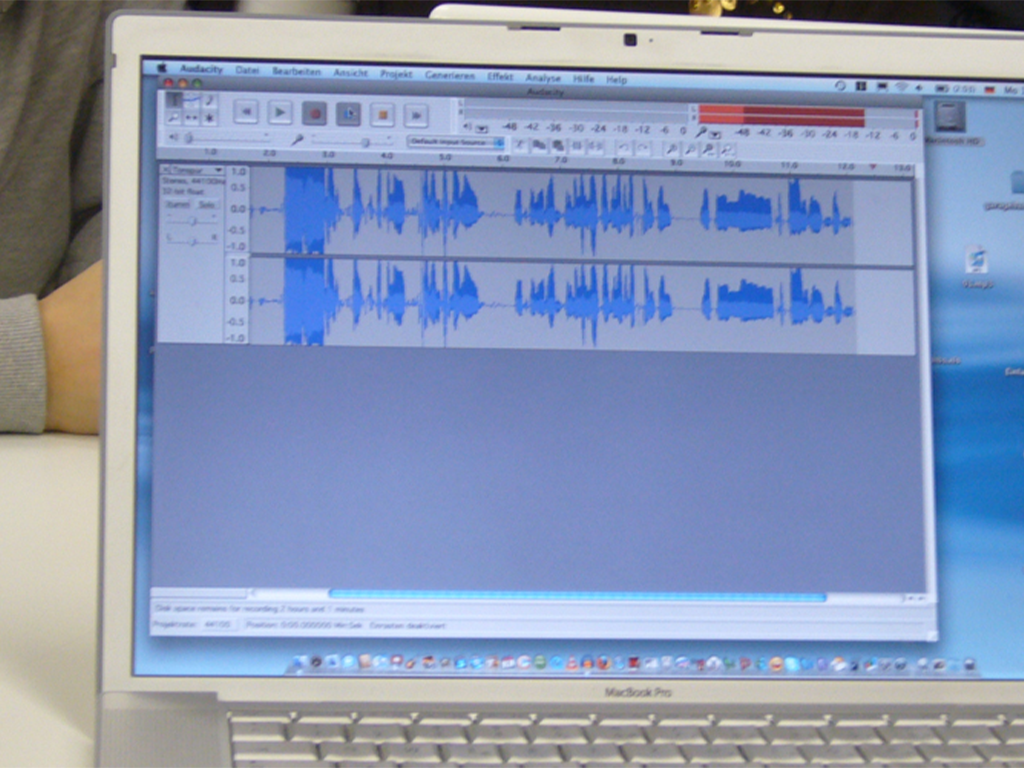
Today, the use of new media has become a matter of course not only in everyday life – schools and teaching, too, benefit from the new technologies and methods, which support active and independent learning. Especially in computer science, ethics and language courses but also in all other subjects, modern media are a valuable pedagogic and didactic asset. This DVD uses the example of podcasts to demonstrate how the possibilities opened up by new media can be applied in the classroom and how the pupils can be taught to handle them in a competent and target-oriented manner. The film is aimed at supporting the use of podcasts at school and encourages making them. This also requires the ability to find information on the Internet and assess it. The film informs on the functionality of podcasts and technical background as well as on the teaching and learning possibilities offered by podcasts – ranging from specific contents to superordinate learning targets such as the advancement of creativity and team spirit. The DVD is a useful support for teachers applying new media and wishing to show their pupils how to handle Running Time: 20:29 ms them in a sensible way.

Stalking
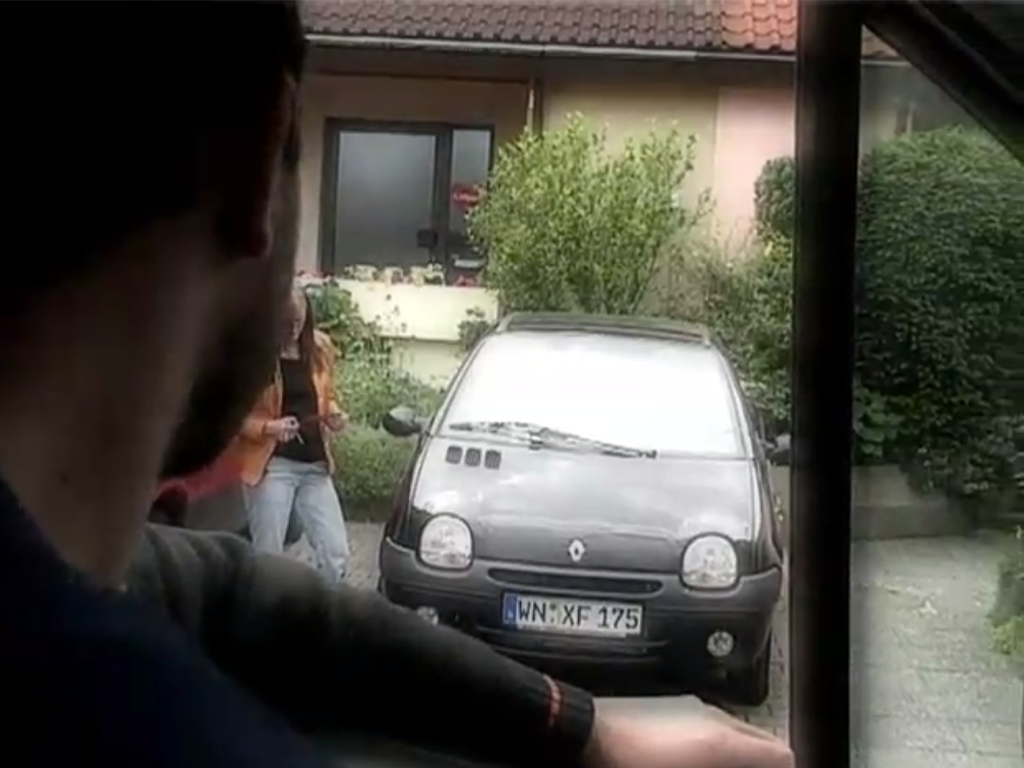
n Germany, 12 % of all federal citizens are pursued by a stalker once in their lives. And not only celebrities are among their victims! Everyone may be confronted with such a situation.

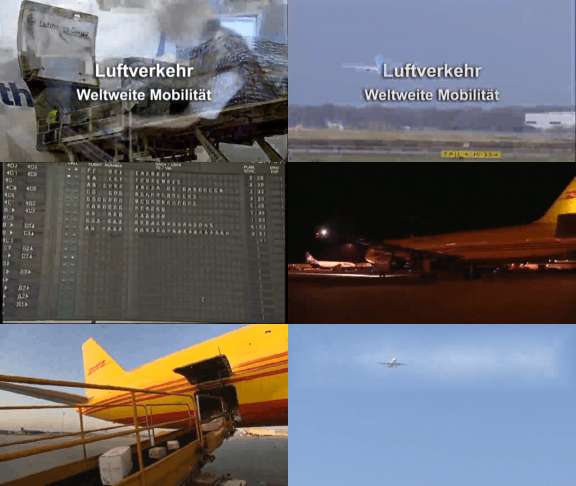
Air Traffic
Being able to fly has been a dream of humanity from time immemorial. But it does not even date back a century that people actually started being able to travel through the air. Since the 1960s, the number of flight passengers has been constantly increasing. Thus, the airspace is no longer dominated by birds but by man-made flying objects.