







 Geography

46502141 / 55502199
Desert
Types, Vegetation, Fauna
Deserts and semi-deserts cover roughly a third of the entire landmass of the Earth. A huge area of our planet is thus defined as an arid region. But what exactly are arid regions and are they similar everywhere? In general, landscapes where only highly specialised plants or no plants at all can grow due to their extreme dryness are referred to as arid regions. Therefore, cold deserts also fall into this category. Although they have water, it is frozen due to the cold and thus not available for plants. In addition, the lack of vegetation is caused by the lack of warmth. The marginal zones of the polar regions Arctic and Antarctica i.a. count among the cold deserts, but also the alpine cold deserts of high mountains. The picture is entirely different with arid deserts. In arid deserts, little precipitation and a high rate of evaporation are mainly responsible for the lack of an extensive vegetation cover. Most arid deserts stretch out around the globe in two broad dry belts north and south of the equator.
Play trailer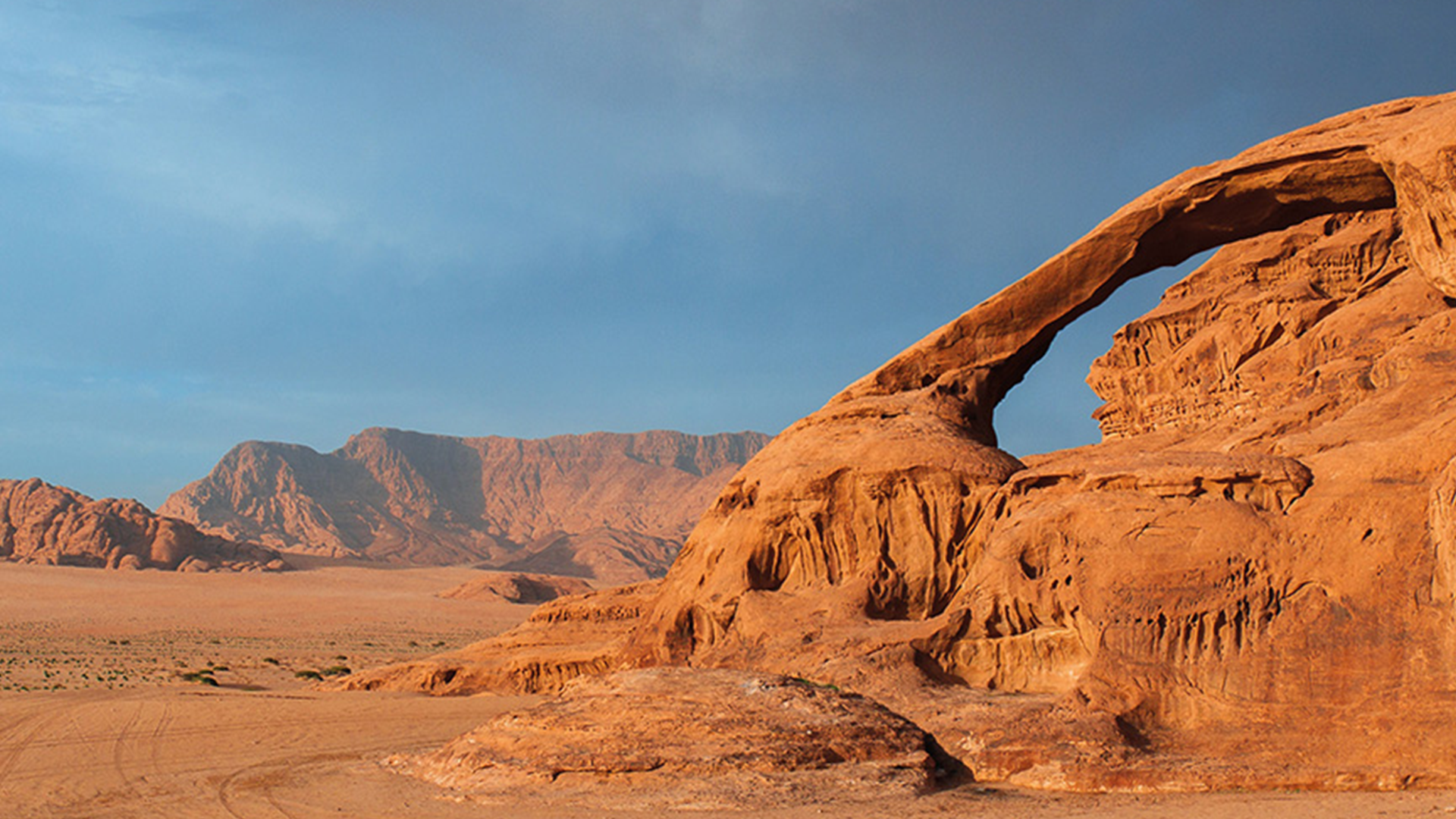
Curriculum-centred and oriented towards educational standards
Matching


Blogging
The weblog or blog, for short, as a medium is not much older than this century. Blogs came into being in the World Wide Web as ’messages from below’, as web pages from web creators who wanted to share their view of the world with the world. They are short notes, long texts, pictures, videos, which are posted loosely and at random intervals to the world for an undefined public.

Copyright
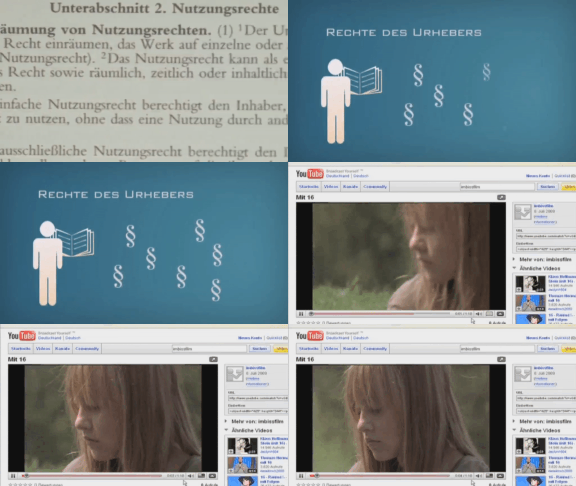
Copyright is subject to constant change to keep up with technological advances. This film enables the viewer to grasp the basic principles of this extremely intricate matter. By way of introduction, the film defines what an author is, what kinds of works there are and how long a work is protected on principle. Then the fundamental rights of an author are cited and it is shown how these are exploited in our times. In the third chapter, the respective rights are illustrated by way of practice-oriented examples of books, photos, music and films. Here, of course, an emphasis is laid on the field of education, taking into account the latest case law within the EU and Austria in particular. A further chapter highlights the problems arising with the Internet and goes into the citation law and pirate copies. All in all, in this way the viewer is made familiar with the most important basic terms and their meanings. Comprehensive worksheets and additional accompanying material invite us to deepen our knowledge of the subject.

Podcasting
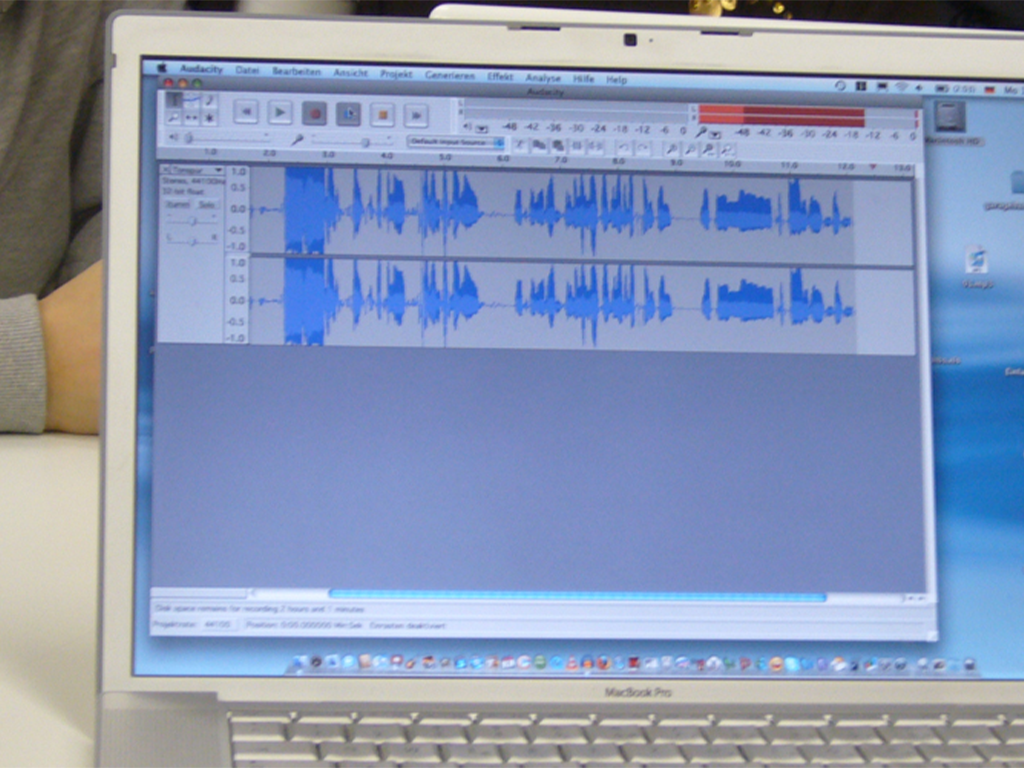
Today, the use of new media has become a matter of course not only in everyday life – schools and teaching, too, benefit from the new technologies and methods, which support active and independent learning. Especially in computer science, ethics and language courses but also in all other subjects, modern media are a valuable pedagogic and didactic asset. This DVD uses the example of podcasts to demonstrate how the possibilities opened up by new media can be applied in the classroom and how the pupils can be taught to handle them in a competent and target-oriented manner. The film is aimed at supporting the use of podcasts at school and encourages making them. This also requires the ability to find information on the Internet and assess it. The film informs on the functionality of podcasts and technical background as well as on the teaching and learning possibilities offered by podcasts – ranging from specific contents to superordinate learning targets such as the advancement of creativity and team spirit. The DVD is a useful support for teachers applying new media and wishing to show their pupils how to handle Running Time: 20:29 ms them in a sensible way.