







 Biology

4662215 / 5552792
Ecosystem Sea
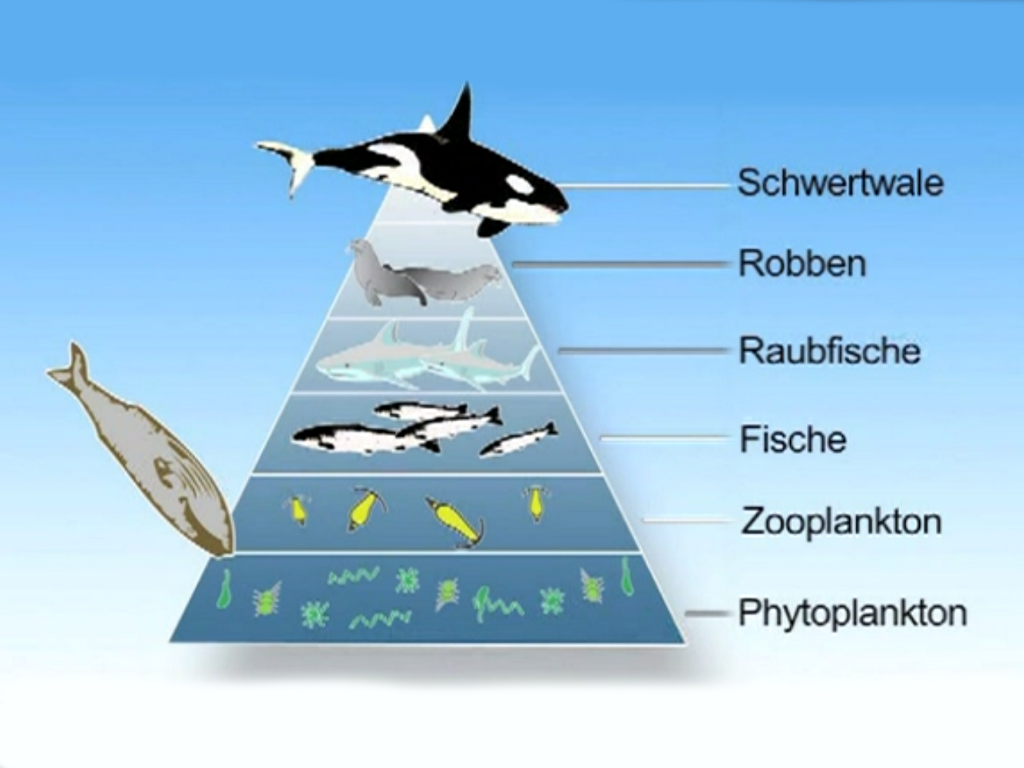
Sharks and Whales
The oceans have been the largest connected ecosystem of the world since hundreds of millions of years. All life originated here, and a stable system ranging from single-cell plants and animals to huge vertebrates has been established. An incredible abundance of shapes and colours has emerged. Even today, we know only a fraction of this variety. We know less about the co-existence of these beings, their interdependency and the conditions and particulars of their food chain than we know about one or the other celestial body. The largest consumers of the sea, sharks and whales have an important task in the marine ecosystem. They ensure that the populations of small predators like seals, groupers and tuna do not grow excessively. In the film, the interrelation between the individual creatures is illustrated and the ecosystem sea as well as the dangers of human interference are explained using the example of sharks and whales. We learn about these animals’ characteristics and structure. We also see why and how they are endangered and what damage the marine ecosystem might suffer if these animals were exterminated. The climate change and its consequences for the ecosystem sea are illustrated by the example of sharks and whales.
Play trailer
- <> Languages: DE, EN, TR
- <> Target Groups: Sek I, Sek II
- <> Subject: Biology
- <> Length: 31:58 min
- View in learning platform
Licenses

Curriculum-centred and oriented towards educational standards
Matching

Tolerance
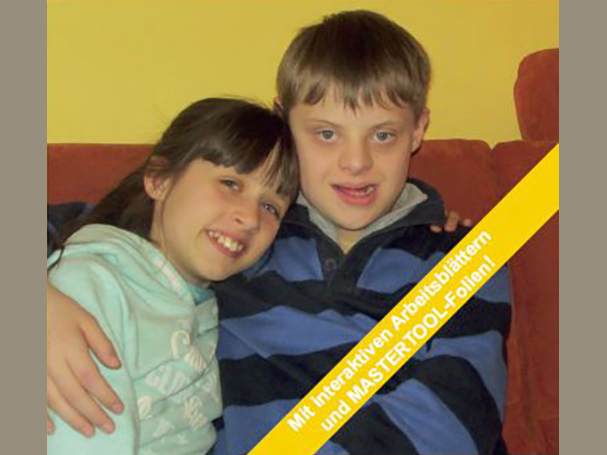
“Tolerance means being generous and kind to other people and helping them, too.”


Internet Addiction
The film consists of two parts. The first part is the 15-minute short film “In the Net”. It describes the problem of excessive Internet use in a humorous way, in particular the risk of losing touch with reality when chatting. The second part illustrates with three real persons how Internet addiction can develop and the problems encountered by those who are afflicted. The authentic statements are commented by an experienced therapist. For many pupils, the issues addressed here are related to their everyday lives. What is a “sensible” use of the Internet, where does pathological addiction start? In contrast to addiction to alcohol, nicotine or drugs, the public seems to be largely ignorant of the problem of this addiction, which is not related to any substance abuse. The film provides material for discussion in the classroom (crossdisciplinary) and can be used as a basis for the formulation of prevention strategies.
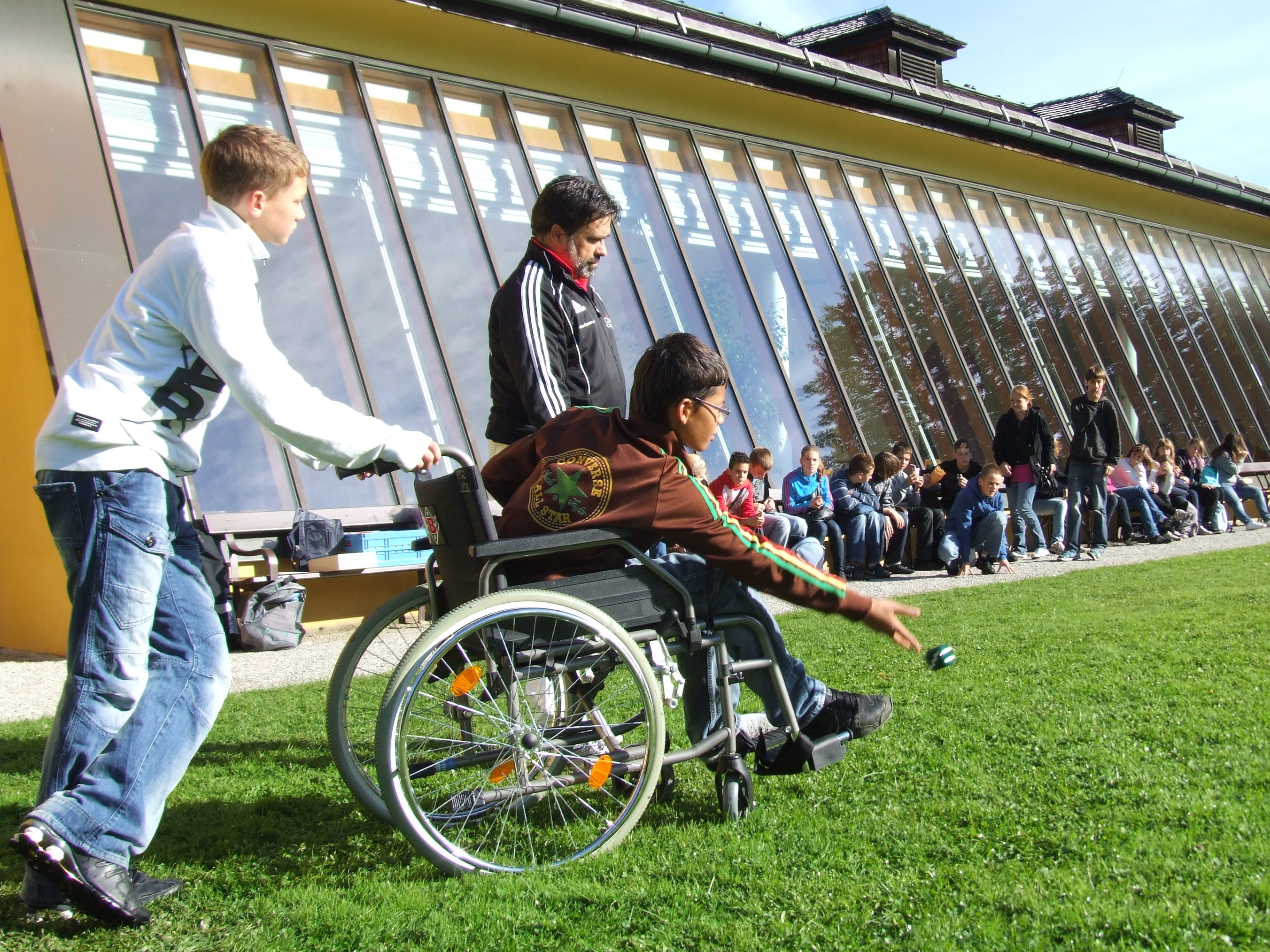
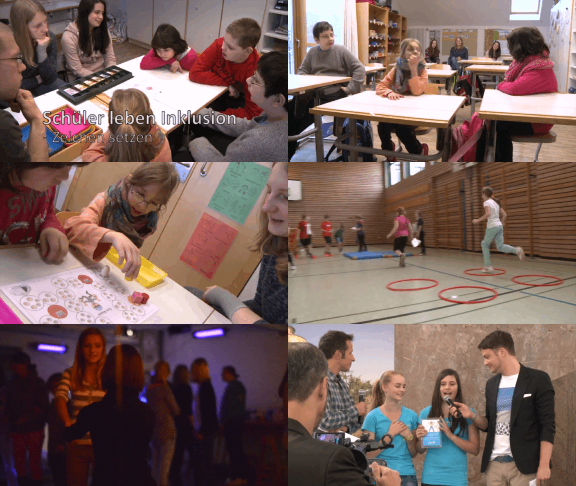
Pupils Practise Inclusion
When people come together, no matter under what concomitant circumstances – ultimately, it is about how these people meet and how openly they interact with one another.