







 Biology

4655704 / 5550647
Fish
Vertebrates 1
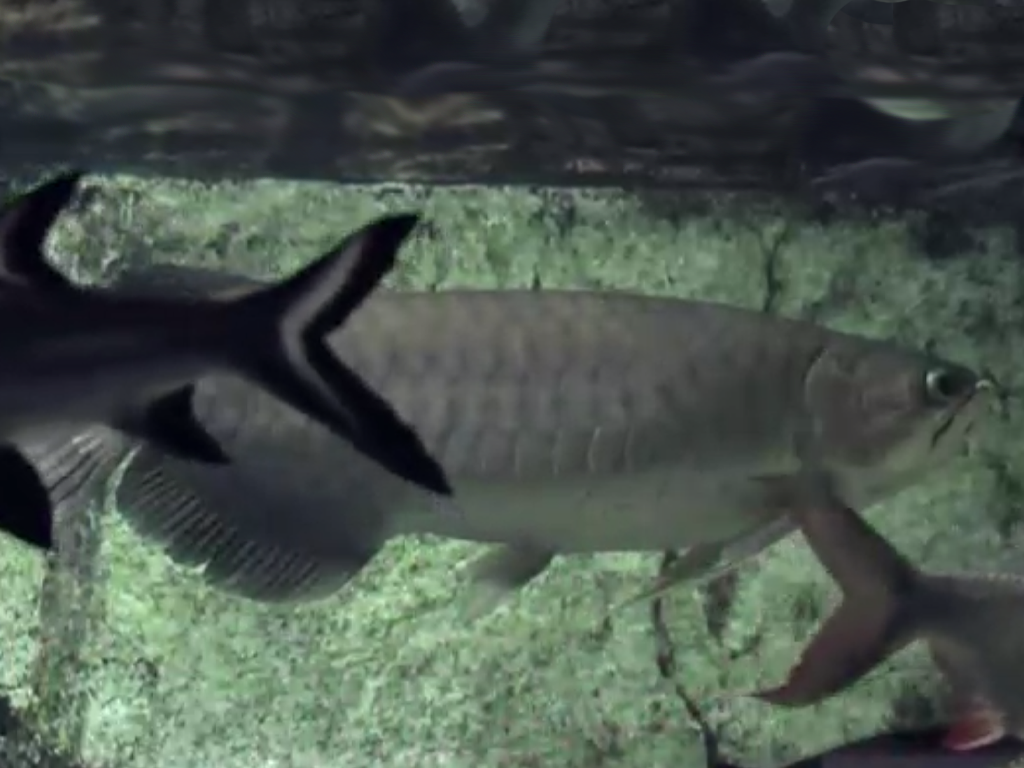
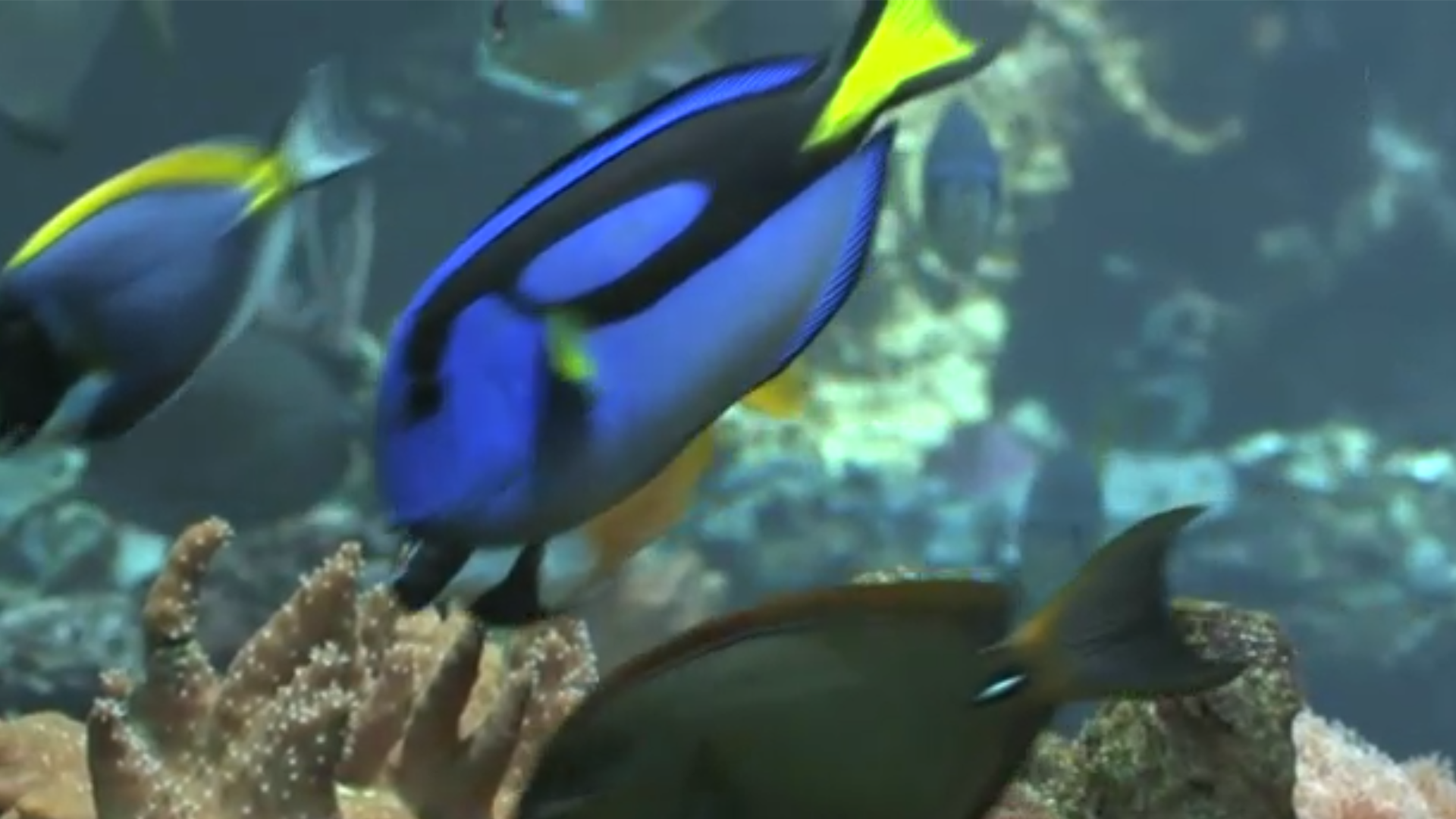
This DVD offers a clearly structured overview of fish with an emphasis on the following aspects: The typical body build of fish and their adaptation to the water habitat are shown. The fish skeleton proves that they are vertebrates. Their sense organs (eyes, nose, barbels, lateral lines) are adjusted for survival in water. The skin is characterised by different kinds of scales. Free water fish, ground fish and surface fish are distinguished from each other by three typical mouth and body shapes. Locomotion in the water is made possible by different kinds of fins. Respiration through gills is a typical feature of fish. Herbivores possess typical characteristics distinguishing them from carnivores. Swarm fish and loners display different behaviour patterns. The film is divided into six menu items (chapters), which may be individually accessed and worked on. For this purpose, additional pictures, diagrams, texts or selected short film clips are offered, which can simply be called up by remote control.
Play trailer
- <> Languages: DE, EN, TR
- <> Target Groups: Sek I, Sek II
- <> Subject: Biology
- <> Length: 28:00 min
- View in learning platform
Licenses
Curriculum-centred and oriented towards educational standards
Matching
Peer Mediation
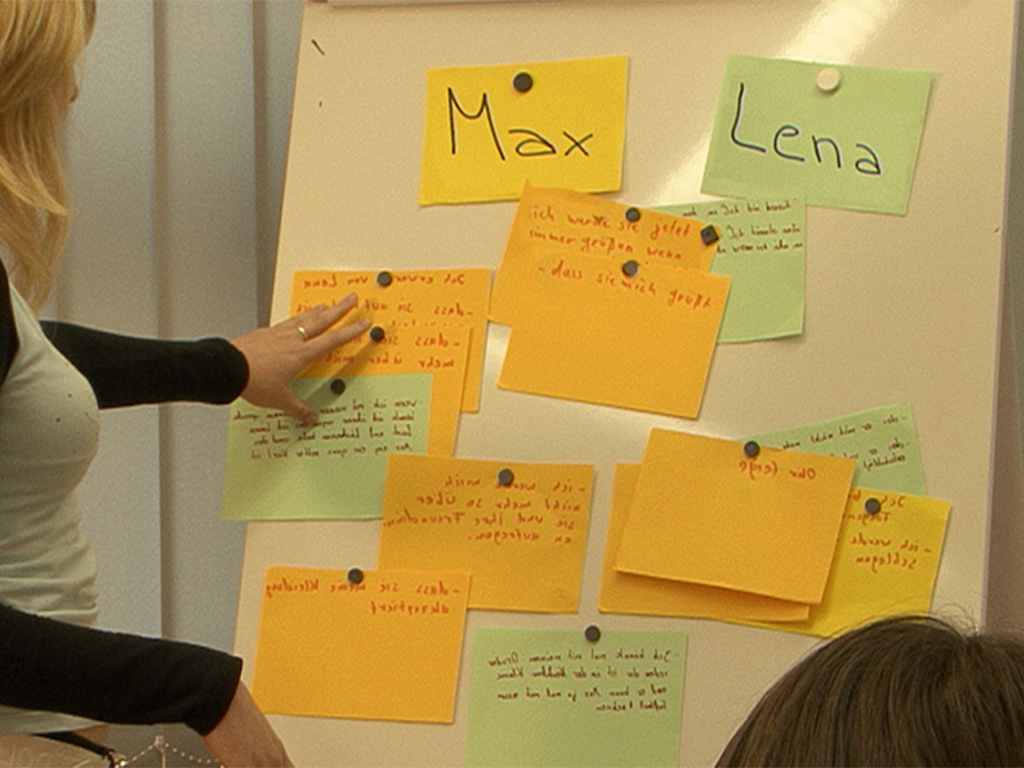
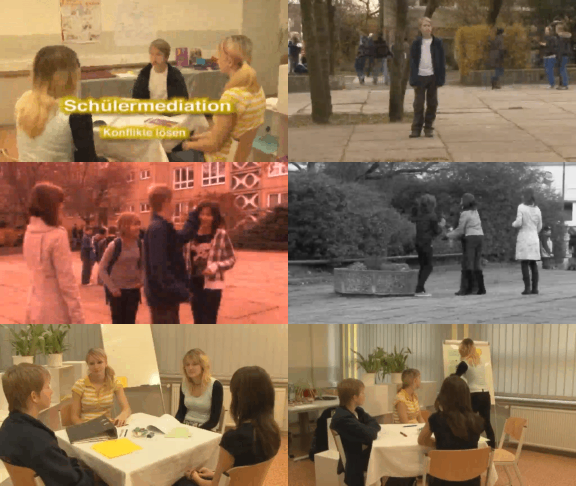
Lena and Max attend the 7th form. Max is new in class. During a break, Max notices that Lena and her friend are laughing at him again. Max loses his temper! He slaps Lena in the face. That hurts and Lena runs back into the classroom with a red cheek. The growing conflict between the two has escalated. Just like Lena and Max, every day pupils all over Germany have rows with each other. At the Heinrich Hertz Gymnasium in Thuringia, pupils have been trained as mediators for years. At set hours, they are in a room made available by the school specifically for mediation purposes. The film describes the growing conflict between Max and Lena and shows a mediation using their example. In doing so, the terms “conflict” and “peer mediation” are explained in a non-technical way. The aims of peer mediation and its progress in five steps as well as the mediators’ tasks are illustrated. The art of asking questions and “mirroring”, which the mediators must know, is described and explained. Together with the comprehensive accompanying material, the DVD is a suitable medium to introduce peer mediation at your school, too.
Ceramic
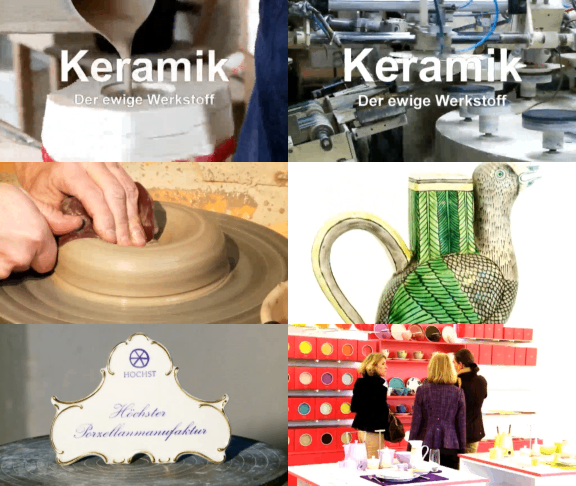
Ceramics are indispensable in our everyday lives. We eat from ceramic plates, drink from ceramic cups, use tiled ceramic bathrooms. But how is ceramic manufactured? The film reveals the secrets of this fascinating material! We get to know more about the beginnings of ceramic in the Old World of Egypt and Mesopotamia, about Greece, China and Rome. We gain interesting insights into the valuable earthenware and are also shown the exquisite further development of the "white gold". Today this versatile material is irreplaceable in industry, too. Whether in space or as an easily compatible substitute in medicine, ceramic is applied in many places.

Internet Addiction
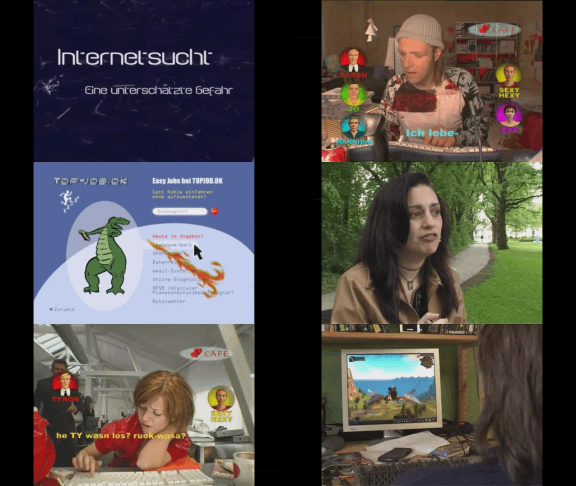
The film consists of two parts. The first part is the 15-minute short film “In the Net”. It describes the problem of excessive Internet use in a humorous way, in particular the risk of losing touch with reality when chatting. The second part illustrates with three real persons how Internet addiction can develop and the problems encountered by those who are afflicted. The authentic statements are commented by an experienced therapist. For many pupils, the issues addressed here are related to their everyday lives. What is a “sensible” use of the Internet, where does pathological addiction start? In contrast to addiction to alcohol, nicotine or drugs, the public seems to be largely ignorant of the problem of this addiction, which is not related to any substance abuse. The film provides material for discussion in the classroom (crossdisciplinary) and can be used as a basis for the formulation of prevention strategies.