







 Biology
4671640 / 5561464
Biotope: Gravel Pit
Home to Rare Plants and Animals
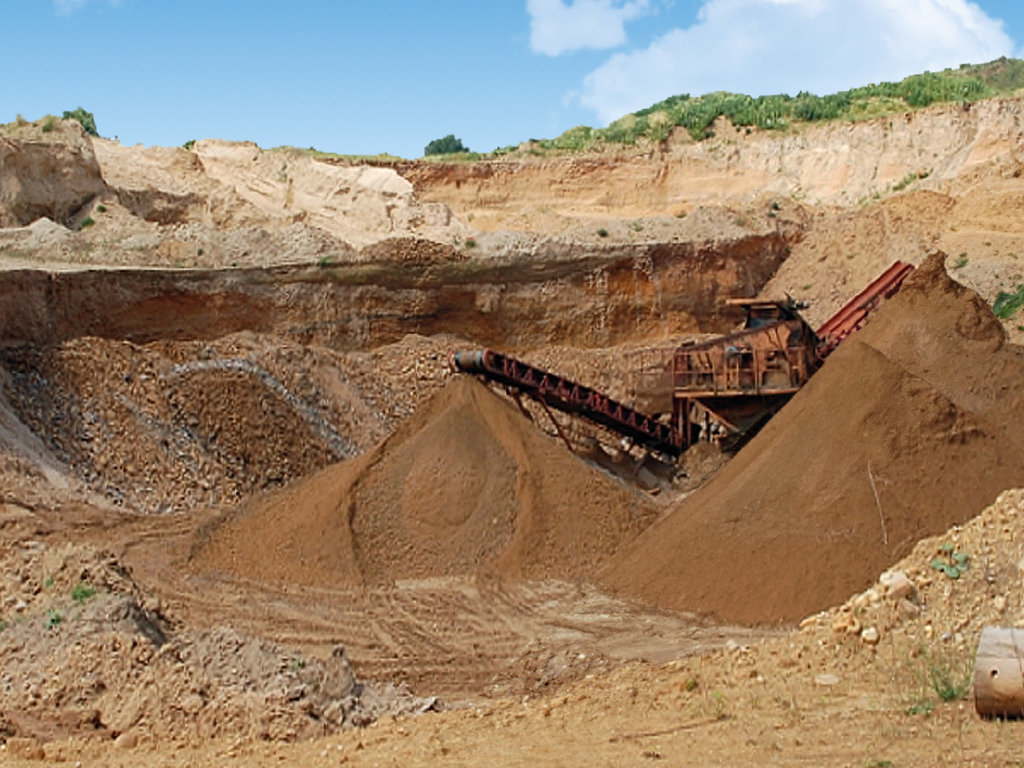
The forest has been cleared, the bridge is already in place, too. Only the road surface is missing. In Germany, every day an area the size of 125 soccer fields disappears under concrete and asphalt. In the process, 250 million tons of sand and gravel are used per year. But where do the many small stones come from? Where, only a short time ago, corn, trees or grass used to grow, today excavator shovels dig into the soil. Like a wound in the landscape it is lying there – the gravel pit. But gravel pits are more than holes in the earth.
Play trailer
Curriculum-centred and oriented towards educational standards
Matching
Inclusion
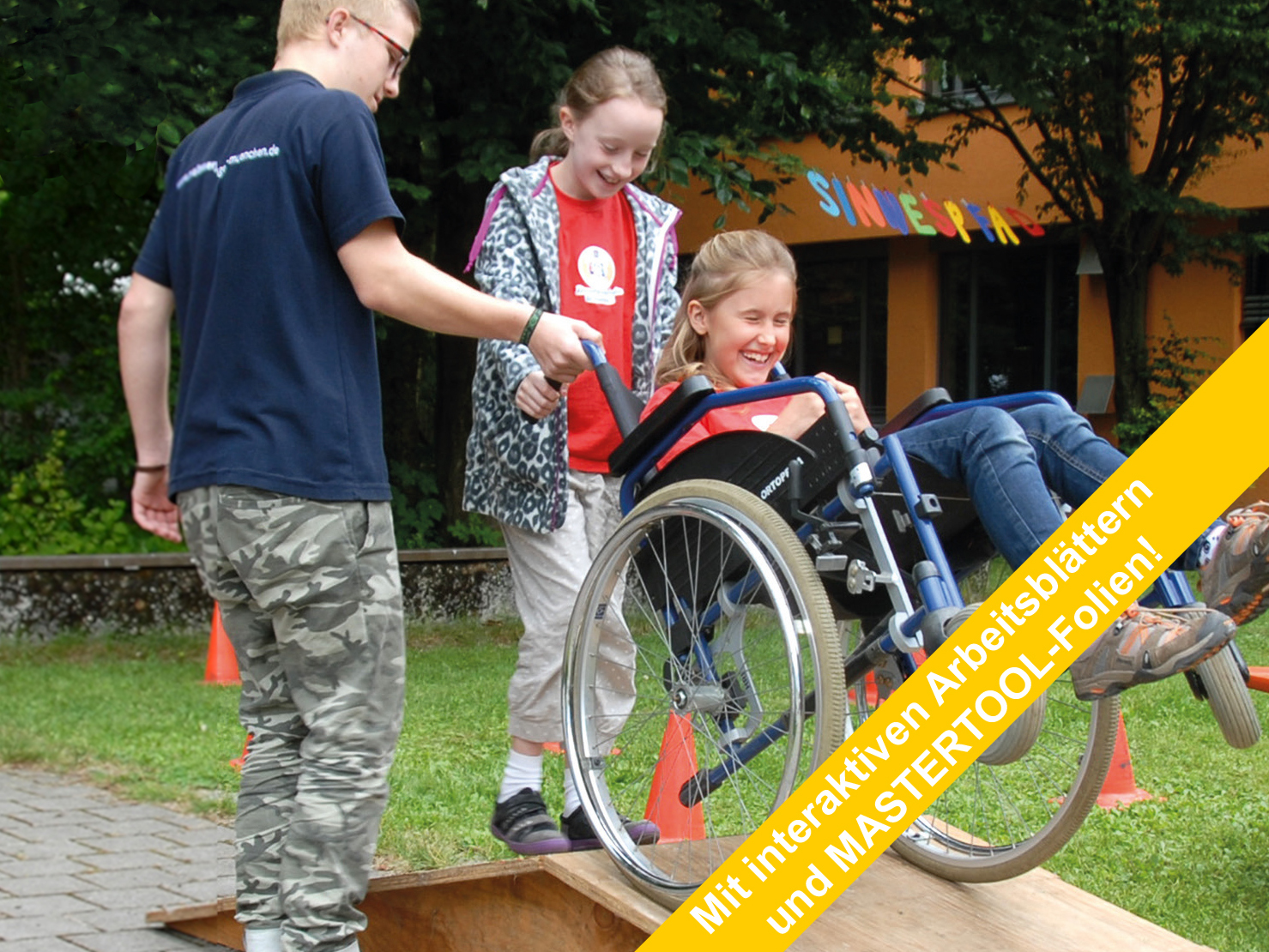
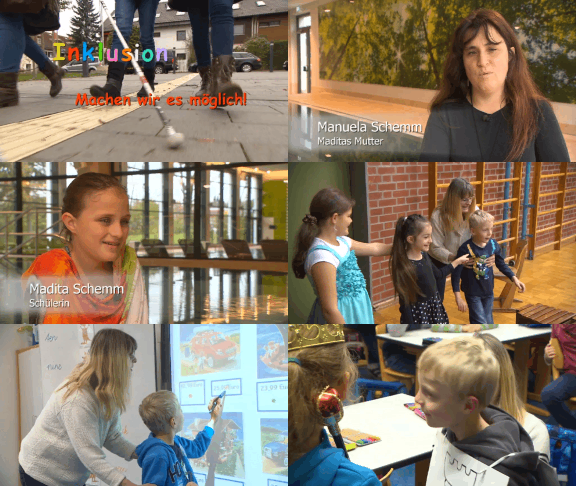
Madita is eleven and blind. She does not want to go to a special school but to a regular grammar school. She says she feels "normal" there. Jonathan is eight and has a walking disability. He likes going to the school where he lives. Here, his best friend sits next to him. Max Dimpflmeier, a teacher who is severely deaf, explains that school life is not easy. Quote Max Dimpflmeier: "You don't want to attract attention, you want to avoid saying that it is necessary for you that 70 people adjust to your situation." People on their way to inclusion.
Youth Movement
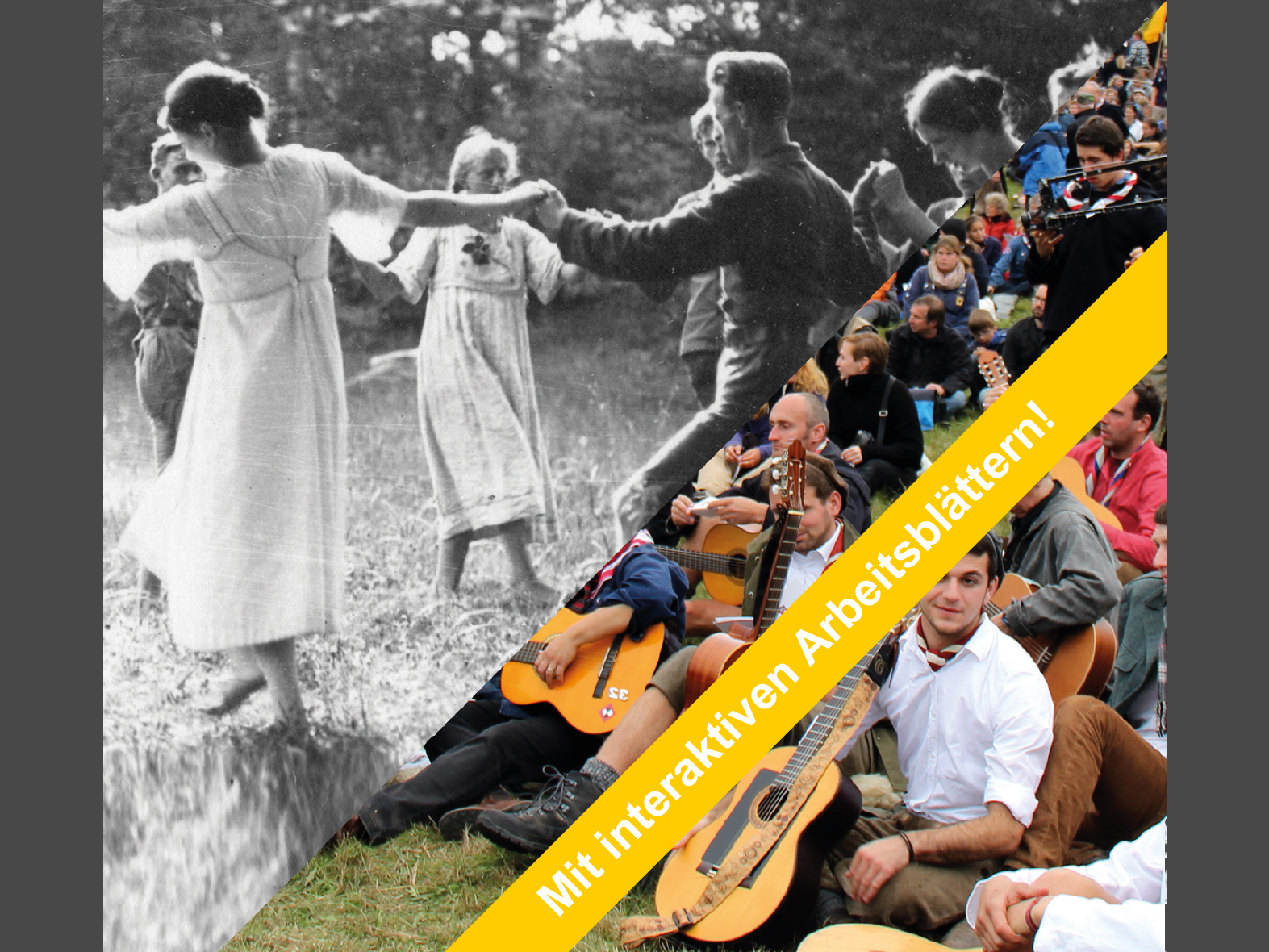
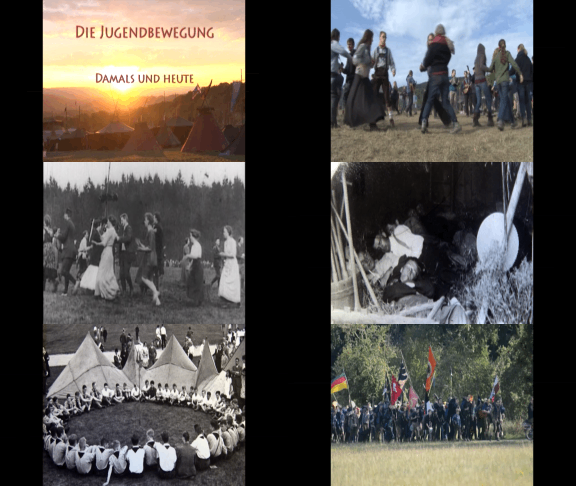
Dancing until your feet hurt: Here, at the meeting on the Hoher Meissner near Kassel, 3,500 participants from Boy Scout associations, youth and Wandervogel groups from all over the German-speaking region have gathered. They want to celebrate, simply get to know each other and commemorate a historic anniversary.

Part Time Kings
Your children are not your children