







 Artistry

4678995 / 5565755
Renaissance
Art, Science, Architecture
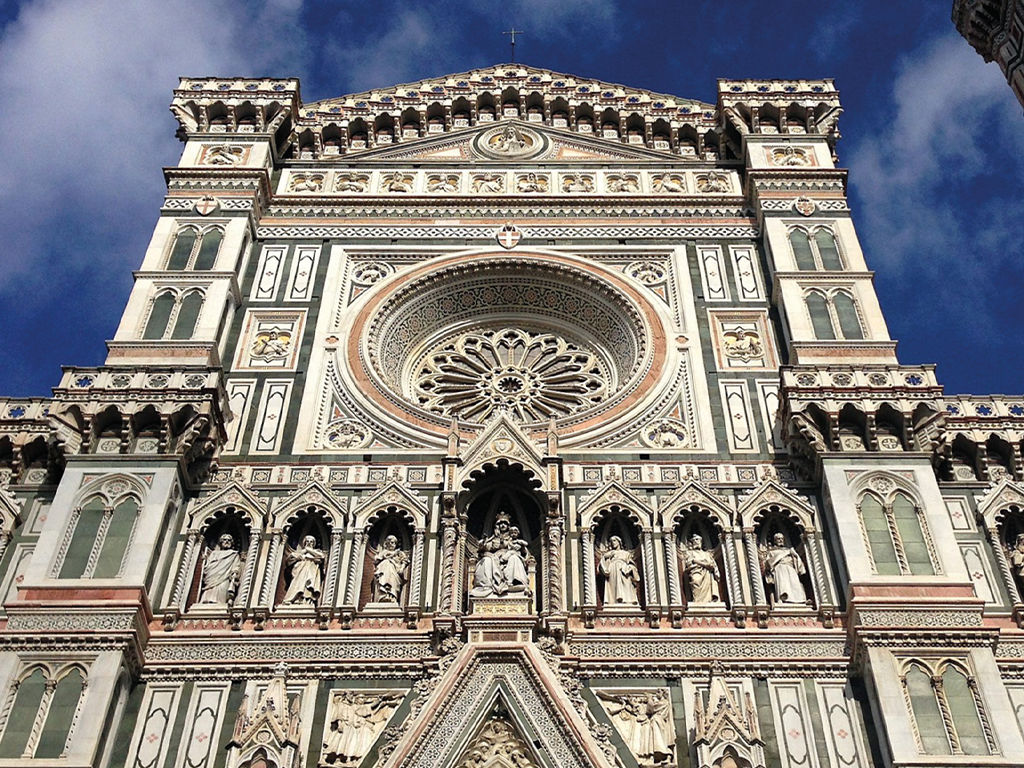
While large parts of Europe still lived in the Dark Middle Ages and huge cathedrals dominated the cities, a new consciousness blossomed in Florence, Italy at the beginning of the 15th century: It was the period of the Renaissance. Within few decades people’s self-image changed radically. Art blossomed and the new scientific curiosity created a wealth of discoveries and inventions: and the philosophy of humanism laid the foundation for our present-day self-perception. It seemed as if humanity had awoken from a long sleep. The Renaissance changed the world for good and marked the beginning of the modern era. But what were the causes of this unprecedented radical change? Article no.: 4678995 Targetgroups: Sek I,Sek II Length: 20:42 min Languages:
Play trailer
- <> Languages: DE, EN
- <> Target Groups: Sek I, Sek II
- <> Subject: Artistry
- <> Length: 20:42 min
- View in learning platform
Licenses
Curriculum-centred and oriented towards educational standards
Matching
Ceramic
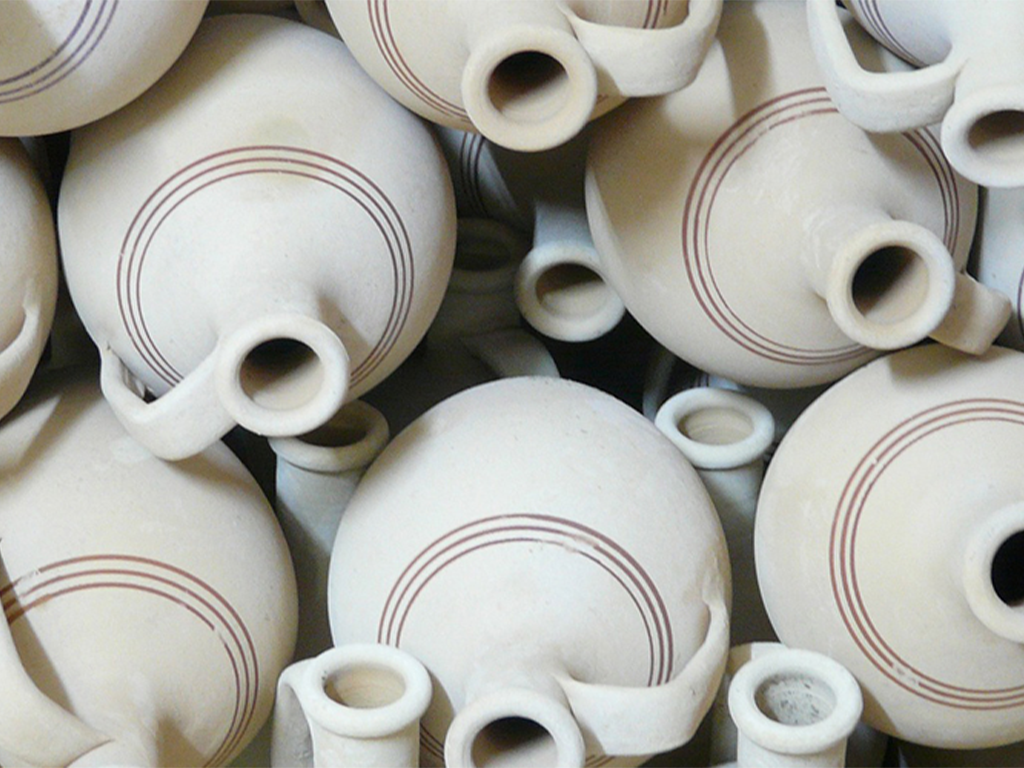
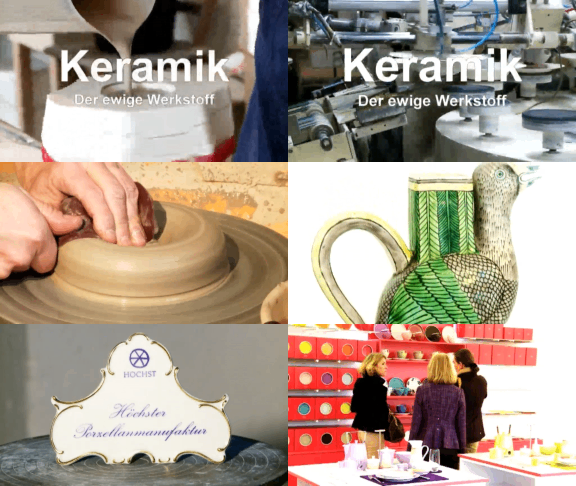
Ceramics are indispensable in our everyday lives. We eat from ceramic plates, drink from ceramic cups, use tiled ceramic bathrooms. But how is ceramic manufactured? The film reveals the secrets of this fascinating material! We get to know more about the beginnings of ceramic in the Old World of Egypt and Mesopotamia, about Greece, China and Rome. We gain interesting insights into the valuable earthenware and are also shown the exquisite further development of the "white gold". Today this versatile material is irreplaceable in industry, too. Whether in space or as an easily compatible substitute in medicine, ceramic is applied in many places.
Seal of approval
Quality seals such as the "Bio-Siegel", "Blauer Engel", "Stiftung Warentest" and up to 1,000 other seals represent characteristics such as sustainability, health or safety with regard to a product, a service or even a company.
The Daily Newspaper
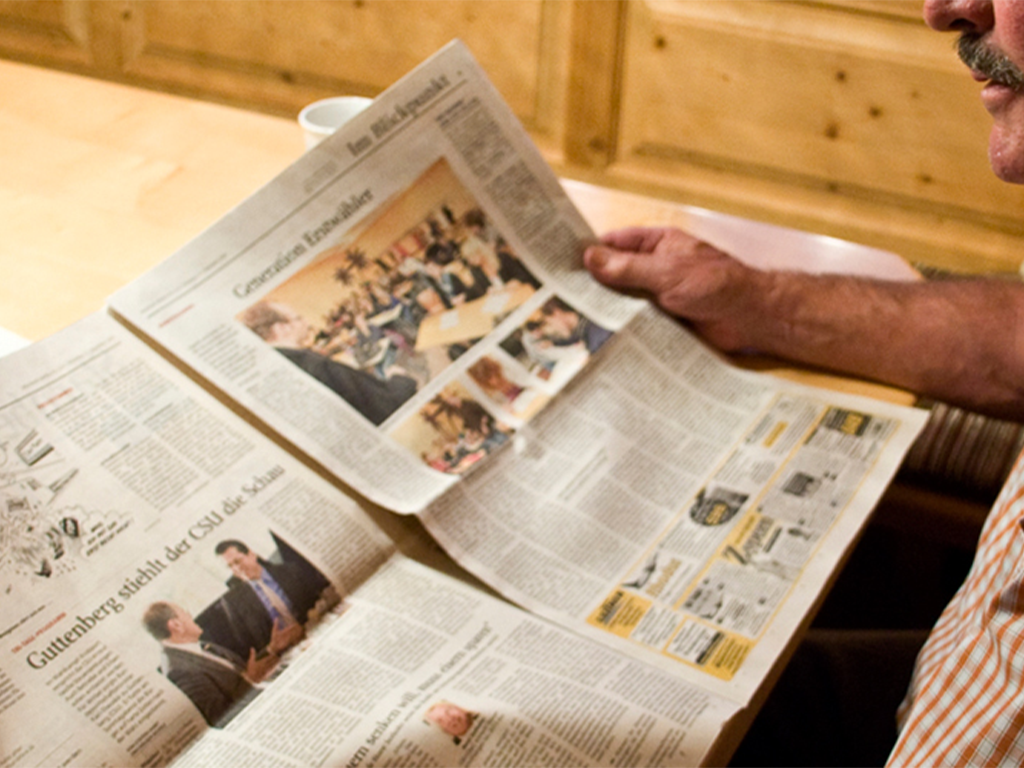
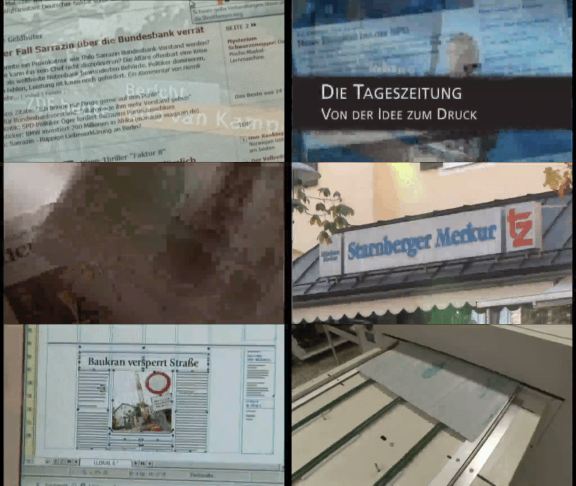
Every day, there is a surge of news reaching us via different news channels. In spite of TV and Internet, the daily paper still is one of the most important main sources of news. But how is a newspaper created? The film shows the production of a paper in the course of one day. Starting with the editorial meeting in the morning, in which the topics and deadlines are determined, the film accompanies a journalist during her research work. You can see how a journalistic interview is conducted and what the photographer must consider when taking a press photo. Back in the editorial office, the editor’s work is illustrated, which includes the page layout and the writing of an online article in today’s time. Impressive pictures from the printing centre depict the process from the digital page to the finished newspaper. Together with the comprehensive accompanying material, the DVD is perfectly suited for use at school